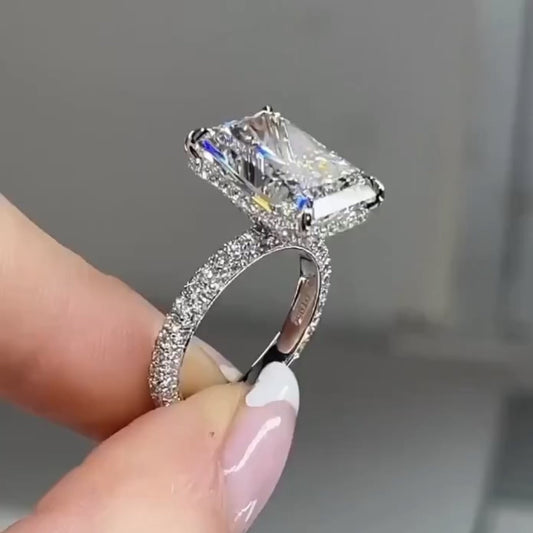
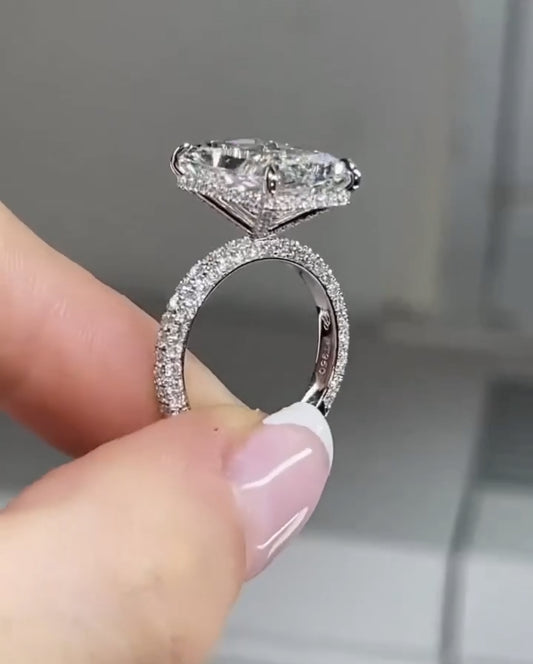
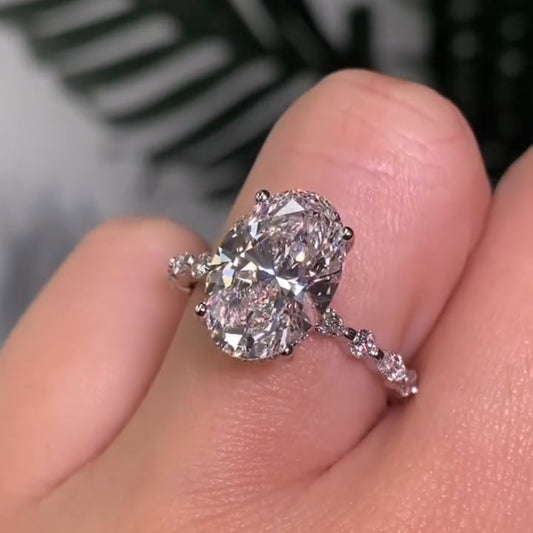
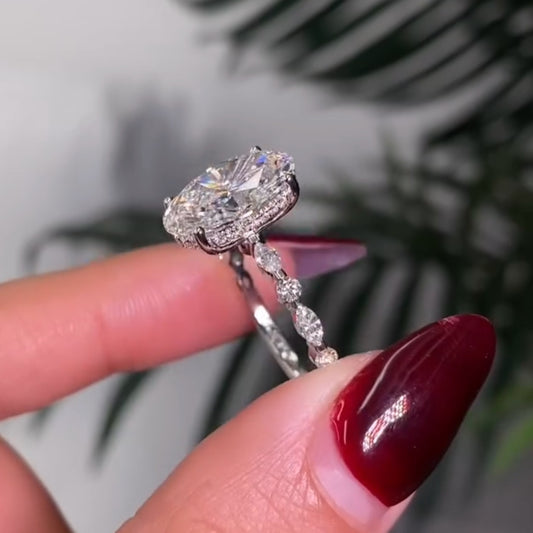
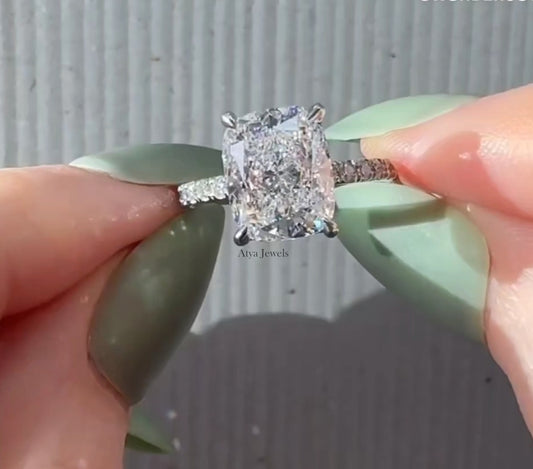
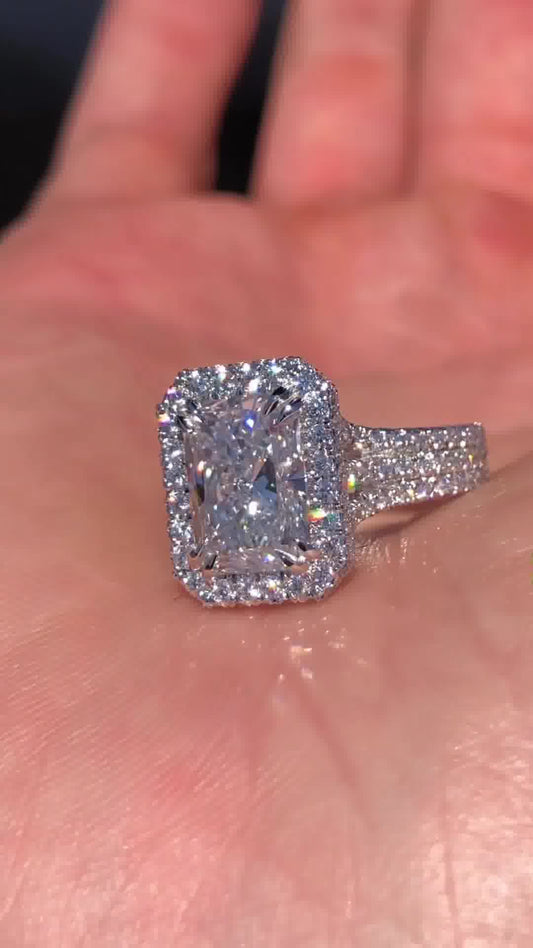
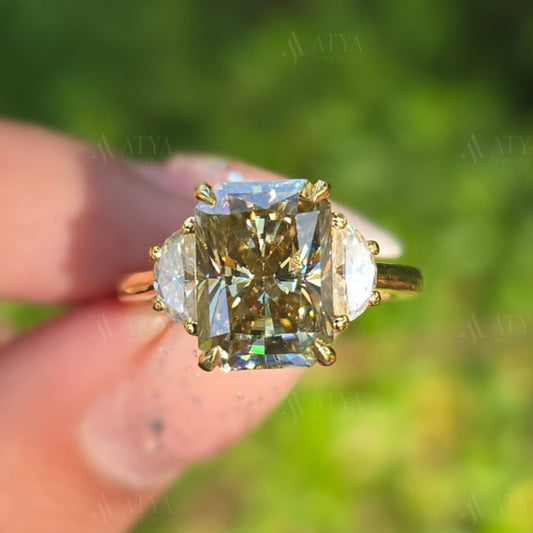
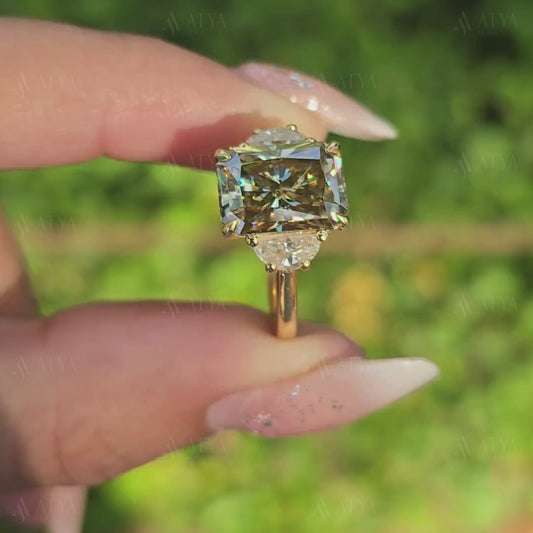
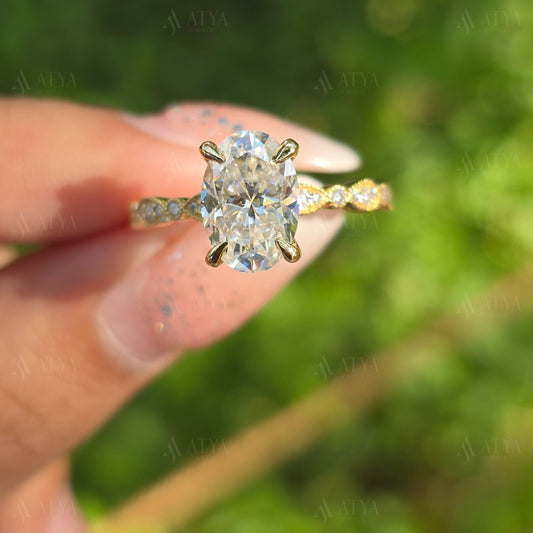
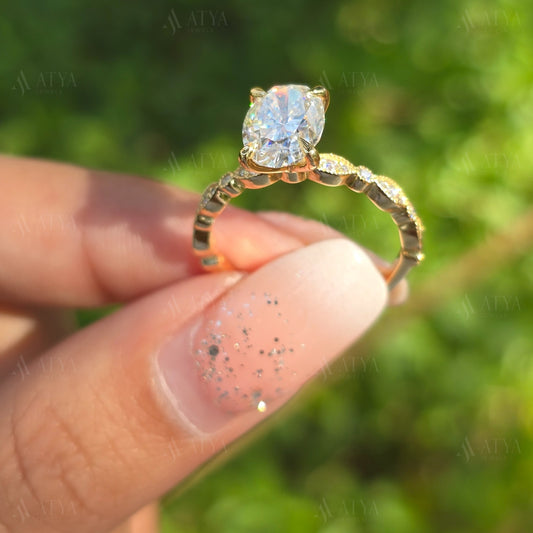
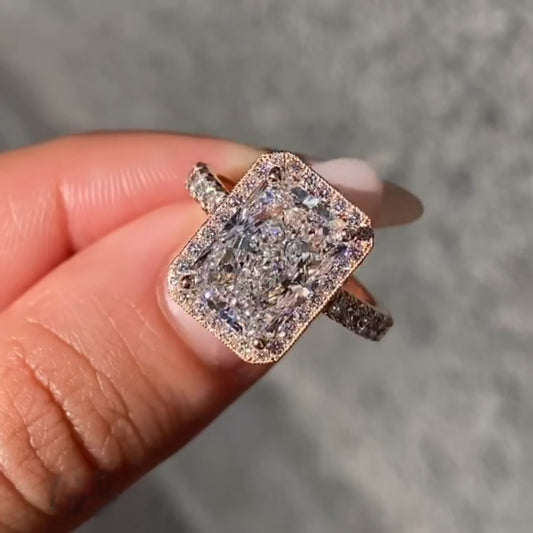
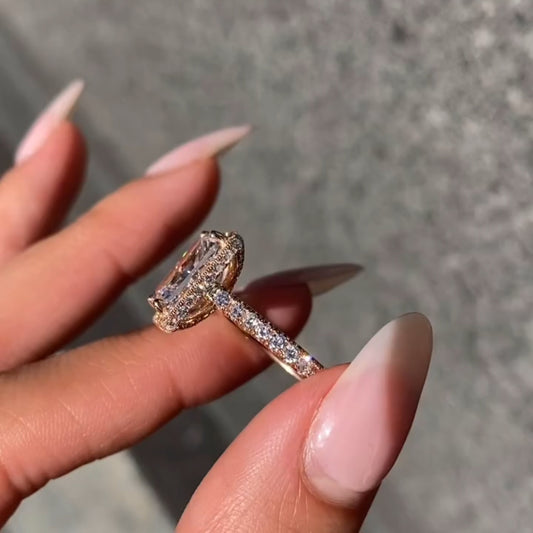
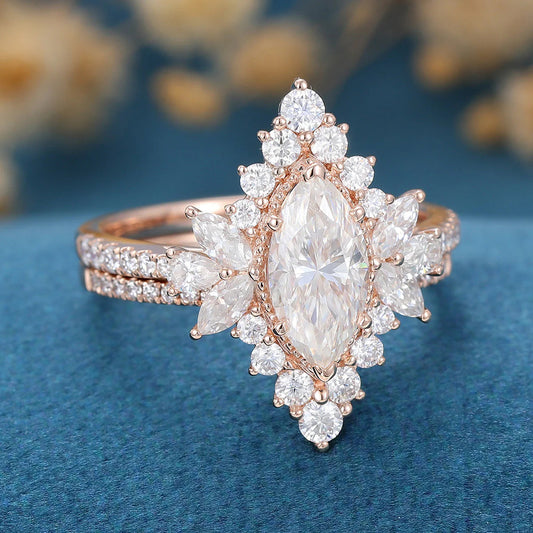
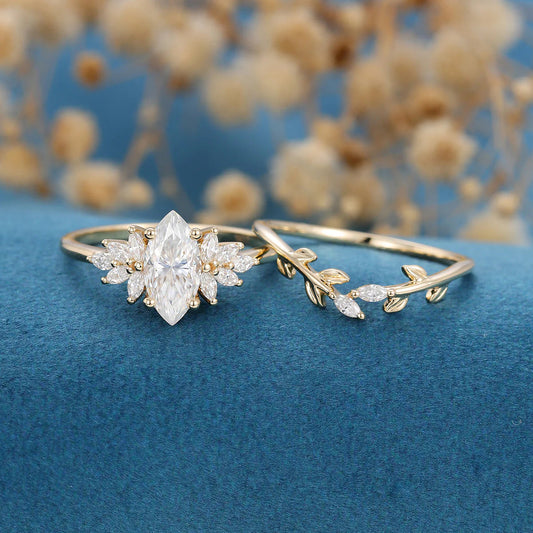
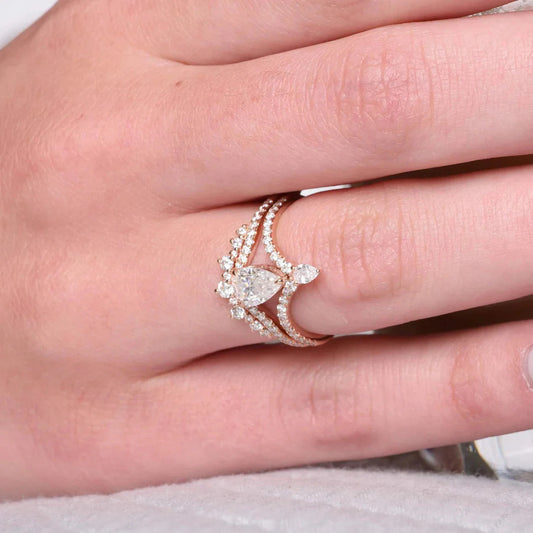
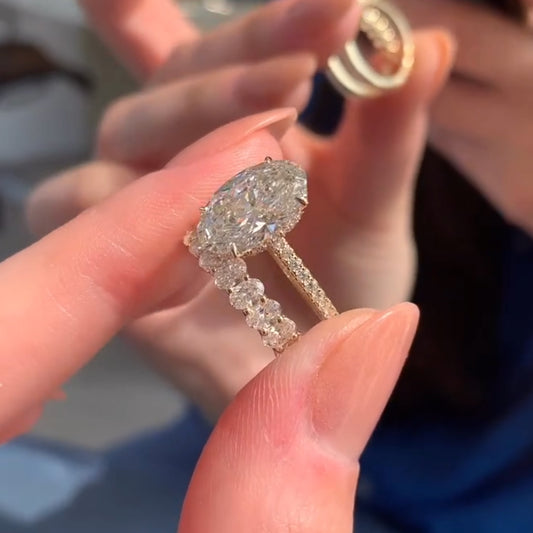
Lab Grown Diamond Engagement Rings: Every Sceptic Question, Answered Honestly
You are considering one. Someone in your life has doubts. Maybe that someone is you. Good. A high-value purchase deserves hard questions, so this article is built entirely around them, the exact objections buyers raise about lab-grown diamond engagement rings, answered without spin.
"Is a Lab-Grown Diamond Even a Real Diamond?"
Yes, and this is not a marketing position. It is a matter of physics and regulation. A lab-grown diamond is crystallized carbon in the same cubic structure as a mined diamond. Same hardness (10 on the Mohs scale), same brilliance, same fire, same chemical formula. The US Federal Trade Commission recognizes lab grown diamonds as diamonds, and major laboratories, including IGI and GIA, grade them on the identical 4C scale used for mined stones.
The only differences are origin and, importantly, price. A jeweller's loupe cannot tell them apart. Specialized lab equipment detecting trace growth patterns can. Your eye never will.
"Will People Be Able to Tell?"
No. Not across a dinner table, not up close, not ever by sight. What people will notice is the stone itself, and here the economics work in your favour. Because lab-grown stones cost 60 to 80 per cent less than mined equivalents, buyers typically choose larger or better-graded stones for the same budget. A budget that buys a 1-carat mined diamond often buys a 2-carat lab-grown stone of equal grade.
If disclosure worries you socially, consider the trend data instead: lab-grown diamonds have grown from a niche option in 2018 to a substantial share of all US engagement ring stone sales today, with adoption strongest among buyers aged 25 to 40. This is a mainstream choice now.
"Do They Fade, Cloud, or Wear Out?"
No. This objection confuses lab-grown diamonds with diamond simulants like cubic zirconia, which dull over time. A lab-grown diamond is a diamond, permanently. It cannot fade, yellow, or cloud. It will scratch glass, resist scratching from everything except another diamond, and outlast its owner, exactly like a mined stone.
Two honest caveats belong here:
- The setting, not the stone, is the wear point. Prongs need checking annually regardless of stone origin.
- Extreme direct impact can chip any diamond, mined or grown. Shape and setting choice matter more than origin.
"What About Resale Value?"
Here is the answer some retailers soften, stated plainly: lab-grown diamonds do not hold resale value the way mined diamonds can, and their retail prices have declined over recent years as production scaled. If you buy one, buy it to wear and to keep, not as a financial asset. For context, mined diamonds are also generally poor investments at retail, typically reselling well below purchase price. Neither stone belongs in a financial portfolio. One simply costs far less to begin with.
The rational frame: the money saved at purchase is real and immediate. Many couples redirect it toward the honeymoon, a home fund, or a coordinated set of bridal set wedding rings instead of a single costlier stone.
"Are They Actually Better for the Environment?"
Answer with care, because overclaiming here is common. Lab-grown diamonds avoid the large-scale earth-moving associated with mining, and their supply chain is shorter and more traceable. However, growing diamonds is energy-intensive, and the environmental impact depends heavily on the energy source of the specific producer. Blanket claims like "100 percent sustainable" or "zero impact" are not supportable for the industry as a whole.
The defensible statement: lab-grown stones offer a traceable origin and avoid mining impacts, and buyers who prioritize this should ask retailers about their specific suppliers. Reputable sellers, Atya Jewels among them, will tell you what they can and cannot verify.
"How Do I Buy One Well?"
The process mirrors mined-diamond buying with two additions.
Standard steps: prioritize Excellent cut, choose eye-clean clarity, stay near-colourless on color, and select the shape she loves. Compare options across a dedicated collection of engagement rings filtered to lab-grown stones to see the price differences directly.
Lab-grown specific steps: first, require an independent grading report (IGI grades the majority of lab-grown stones; GIA also grades them) confirming origin and grades. Second, compare per-carat pricing across at least three sources, since lab-grown prices vary between retailers more than mined prices do.
Then finish the set thinking. Matching wedding bands in the same metal complete the stack, and lab-grown studs from a diamond earrings collection make a natural first-anniversary gift that matches the ring's icy look.
"So Who Should Choose Lab Grown, and Who Should Not?"
Choose lab-grown if maximizing size and quality per dollar matters to you, if traceable origin appeals, and if you view the ring as a symbol rather than an asset. Choose mined if tradition, geological rarity, or the established secondary market genuinely matter to you or your partner, and the price premium fits comfortably.
Both are real diamonds. Both say the same thing on one knee. The right answer is the one you and your partner agree on with clear eyes.
Lab-Grown Diamond Engagement Ring FAQs
Q1. Are lab-grown diamonds graded the same way?
Yes. IGI and GIA grade them on the same 4C scale as mined diamonds.
Q2. How much cheaper are they?
Typically, 60 to 80 per cent less than mined diamonds of equivalent grades.
Q3. Can jewellers tell the difference by eye?
No. Only specialized laboratory equipment can identify the origin.
Q4. Do lab-grown diamonds test as diamonds on testers?
Yes. Standard thermal testers read them as diamonds because they are diamonds.
Q5. Will a lab-grown diamond last a lifetime?
Yes. It has identical hardness and durability to a mined diamond.
Q6. Is lab-grown a good choice for an heirloom?
Physically, yes, it lasts indefinitely. Its meaning as an heirloom comes from the story, not the resale market.