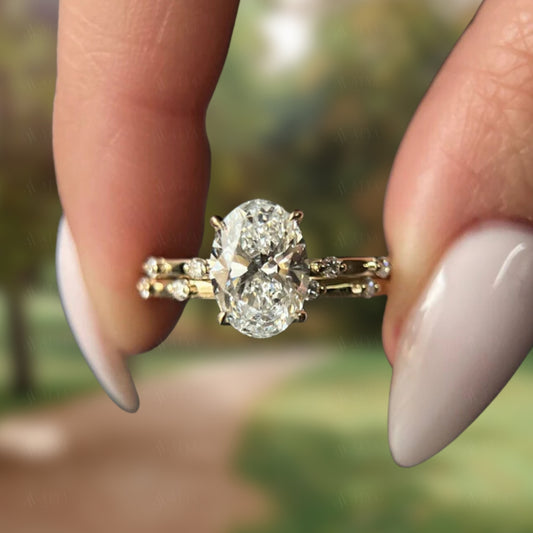
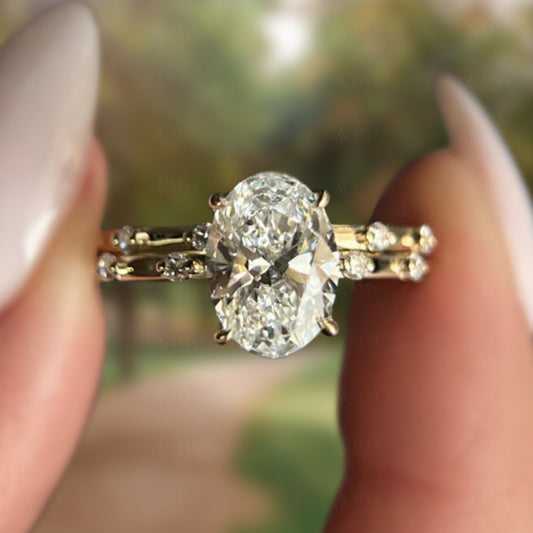
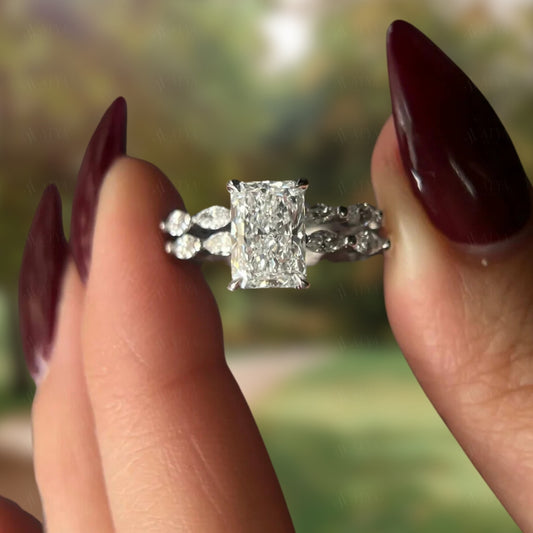
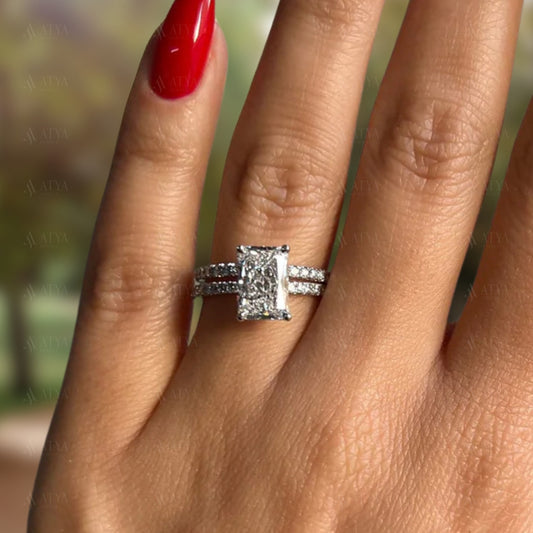
Lab Grown Diamond Rings: Why 61% of US Buyers Are Making the Switch in 2026
Lab-grown diamond rings now dominate the engagement market. By 2026, lab diamonds accounted for over 61 per cent of US engagement ring purchases, driven by prices 80 to 85 per cent cheaper than natural equivalents. This guide covers certification, durability, pricing, and how to select the right ring for your budget and style.
The 2026 Market Reality: Why Lab-Grown Diamonds Dominate Engagement Rings
The engagement ring market has fundamentally shifted. After several years of rapid price correction, the lab-grown diamond market entered a mature phase in late 2025, with a durable price floor for premium lab-grown diamonds effectively established. This stability matters because it ends the old buyer anxiety about waiting for lower prices.
A 1-carat round lab-grown diamond averages around $725, while a 2-carat round sits near $1,700—a dramatic difference from natural diamonds. Gold and platinum prices rose significantly, shifting buyer attention away from diamond pricing volatility and toward metal choice and ring setting decisions.
The real buyer question in 2026 isn't whether lab-grown diamonds are "real"—they are chemically identical to mined stones. The question is: what does the price gap let you upgrade?
Key Market Drivers:
- The decline in price is largely a function of increased production efficiency and technological advancements, making these diamonds more accessible
- There has been a shift among consumers of all ages towards lab-grown, with every group experiencing double or triple-digit growth in the market share of lab-grown diamonds
- The distinction between certified and uncertified lab-grown diamonds is crucial, with certified products retaining more stable pricing and perceived value
At Atya jewels, you can explore customized lab-grown diamond rings designed to match your exact specifications and budget.
Certification Standards: IGI vs. GIA and What Matters for Your Purchase
Certification is the foundation of trust in lab-grown diamond rings. Two institutions dominate global grading:
IGI (International Gemological Institute)
Dominates lab-grown diamond certification globally with the same grading methodology as natural reports. For buyers prioritizing value efficiency, IGI certification offers identical specification accuracy at significantly lower cost.
GIA (Gemological Institute of America)
Strongest brand recognition in natural diamonds with premium signalling for resale and luxury positioning. In 2026, the GIA premium reflects market signalling and resale perception, not a visible quality gap.
The Practical Difference:
Both certifications use the same 4Cs grading system (carat, colour, clarity, cut). The choice depends on your priorities:
|
Certification
|
Best For
|
Price Impact
|
Market Recognition
|
|
IGI
|
Value-focused buyers
|
Lower cost
|
Strong in the lab-grown market
|
|
GIA
|
Luxury positioning
|
Premium markup
|
Strongest overall brand
|
Specification baseline: 1.00 carat round brilliant, D colour, VVS2 clarity, excellent cut/polish/symmetry, IGI or GIA certified. When shopping for engagement rings, always verify the certification document before purchase.
The 4Cs Strategy: Where to Invest and Where to Save on Lab-Grown Diamonds
Not all 4Cs carry equal visual impact. Understanding the price multipliers helps you maximize value.
Colour: The Invisible Upgrade
D colour, the absolute absence of tint, prices materially higher than G colour on identical specifications, with the price gap between D and G reaching 20 to 30 per cent for the same carat, cut, and clarity. However, visually, D and G are difficult to tell apart in the face-up position, and once the stone is set in a ring or bracelet, the difference becomes effectively invisible to anyone without a master colour set and controlled lighting.
The optimization for most buyers is to choose G or H colour, with the visual result indistinguishable from D in normal viewing conditions.
Shape: The Value Multiplier
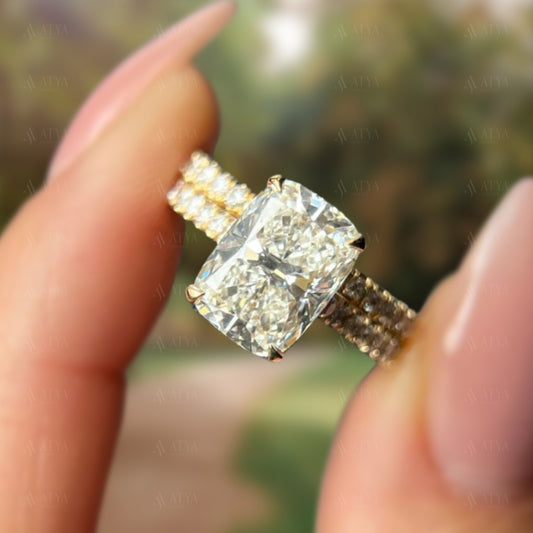
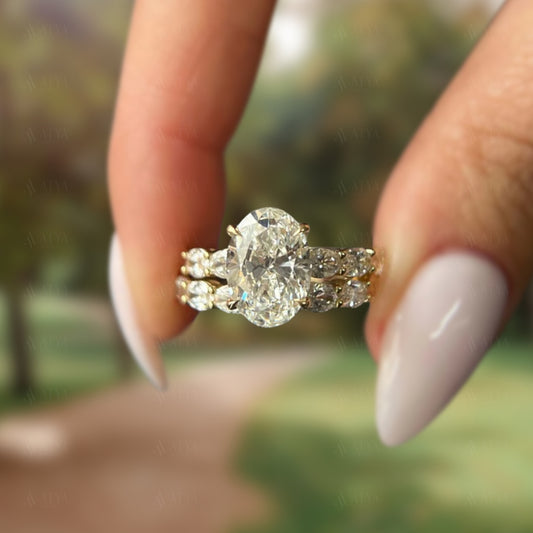
Fancy shapes like oval, cushion, and pear often offer better value than round brilliant diamonds, as they appear larger per carat and typically cost 20-40% less for equivalent quality. This is where you can stretch your budget significantly.
Carat Weight: The Compound Advantage
The savings advantage of lab-grown diamonds grows significantly at larger carat weights. A 2-carat lab-grown stone costs far less than double a 1-carat stone, making larger rings suddenly affordable.
Buying Strategy Checklist:
- Choose G or H colour (save 20-30%)
- Select a fancy shape if you prefer a larger appearance (save 20-40%)
- Prioritize cut quality—this affects sparkle most
- Verify IGI or GIA certification
- Compare metal costs separately from diamond costs
When you're ready to customize, Atyajewels offers personalized ring design with transparent pricing on each component.
Durability & Daily Wear: How Lab-Grown Diamonds Perform Over Time
Lab-grown diamonds in 2026 offer three compelling advantages: affordability that enables buyers to choose larger carat weights or custom designs previously reserved for luxury budgets; ethical peace of mind through conflict-free assurance with minimal environmental impact; and identical chemical, physical, and optical properties to natural diamonds.
On the Mohs hardness scale, lab-grown diamonds score 10—the same as natural diamonds. Lab diamonds score a perfect 10 on the Mohs scale of hardness, making them incredibly resistant to scratches and everyday wear.
Real-World Performance:
Lab-grown diamonds are not softer, more fragile, or prone to clouding. The only difference is the origin. A lab-grown diamond set in platinum or 18K gold will perform identically to a natural diamond in the same setting.
Care Instructions:
- Clean with warm soapy water and a soft brush weekly
- Avoid harsh chemicals and extreme temperature changes
- Have settings inspected annually by a jeweller
- Store separately from other jewellery to prevent scratching
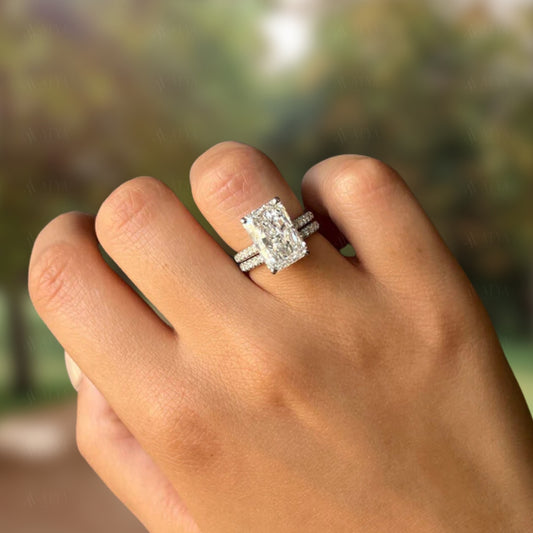
With proper care, a lab-created diamond keeps its brilliance and beauty for generations. This makes lab-grown diamonds ideal for heirloom pieces and bridal set wedding rings that will be worn daily.
Pricing Breakdown: What You Actually Pay in 2026
Lab-grown diamond pricing in 2026 reflects three distinct market segments:
Direct-to-Consumer (DTC) Pricing
Direct-to-consumer pricing diverged sharply from legacy retail, with Draco DTC 5ct tennis bracelet rate falling to $415 per carat in Q4 2025, down 12.8 per cent year over year, while legacy retailers held above $800 per carat for comparable specifications.
Premium vs. Standard Grades
Q2 2026 per carat rates range from $240/ct to $600/ct, depending on certification level and quality grade. Premium IGI-certified stones (D/VVS2/3EX) sit at the higher end; good-quality stones (G/VS1/EX) at the lower end.
The Metal Cost Factor
The setting now represents a growing share of total ring cost, and in 2026 buyers should focus less on whether a lab-grown diamond is "too expensive" and more on choosing the right metal and setting.
Sample Ring Pricing (2026):
|
Ring Type
|
Diamond Cost
|
Setting Cost
|
Total Range
|
|
1ct solitaire (G/VS1)
|
$600–$800
|
$400–$1,200
|
$1,000–$2,000
|
|
2ct solitaire (G/VS1)
|
$1,400–$1,800
|
$500–$1,500
|
$1,900–$3,300
|
|
1.5ct with side stones
|
$1,000–$1,300
|
$800–$2,000
|
$1,800–$3,300
|
These prices reflect direct retail; legacy jewellery stores typically add a 50–70% markup. When comparing Wedding Bands and engagement rings, factor in the setting cost separately from the stone.
Customization & Design: Building Your Perfect Ring
The real advantage of lab-grown diamonds in 2026 is customization. Because prices are stable and transparent, you can design exactly what you want without the premium markup of legacy retail.
Design Decisions That Matter:
-
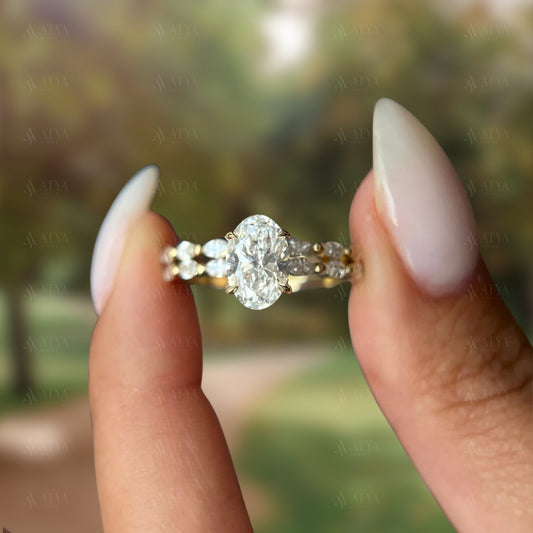
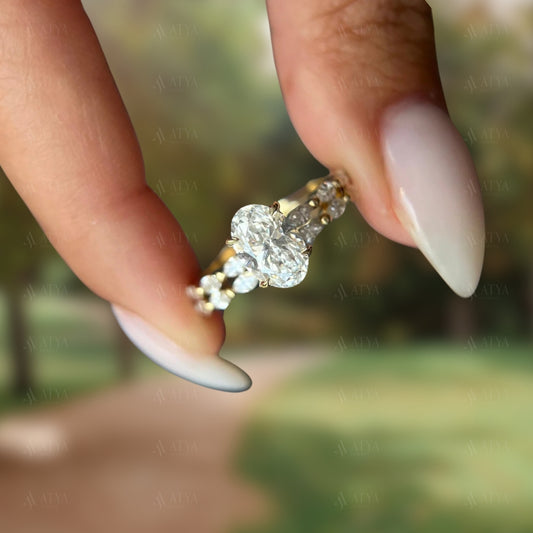
Stone Shape — Round brilliant, oval, cushion, pear, emerald, radiant, marquise
-
Metal Choice — 14K gold (yellow, white, rose), 18K gold, platinum, palladium
-
Setting Style — Solitaire, three-stone, halo, vintage, modern, custom
-
Side Stones — Accent diamonds, moissanite, or gemstones
-
Band Width & Profile — Thin, medium, or statement bands
The Customization Advantage:
With lab-grown diamonds, you're not limited to pre-made inventory. You can specify exact carat weight, colour, clarity, and cut—then pair it with a custom setting designed for your hand and style.
Timeline & Process:
- Consultation: 1–2 weeks (design, stone selection, budget confirmation)
- Stone sourcing: 2–4 weeks (if not in stock)
- Setting fabrication: 3–6 weeks (depending on complexity)
- Final inspection & delivery: 1–2 weeks
Atya Jewels specializes in personalized lab-grown and moissanite jewellery, offering custom Diamond Earring designs and complete bridal sets tailored to your vision. The customization process ensures your ring is uniquely yours—not a mass-produced design.
Making the Final Decision: Lab-Grown vs. Natural and Resale Reality
The natural vs lab-grown gap is now structural, not temporary, with buyers no longer asking "natural or lab?" but "what does the price gap let me upgrade?"—bigger stone, better metal, or a more meaningful setting.
The Resale Conversation:
This is where honesty matters. Most lab-grown diamonds sell for just 20-40% of what you paid, with some jewellers not even buying them back. However, if you're buying a ring you'll keep forever, the depreciation becomes irrelevant.
When Lab-Grown Makes Sense:
- You want a larger stone for the same budget
- You prioritize ethical sourcing and sustainability
- You plan to keep the ring as a personal heirloom
- You value transparency and certification
- You want customization without legacy retail markups
When Natural Diamonds Might Be Better:
- You're buying purely as an investment (though even natural diamonds rarely appreciate)
- You want maximum resale value (though resale is typically 50–60% of purchase price)
- You prioritize rarity and scarcity as emotional value
The Bottom Line:
Lab-grown diamonds are particularly appealing in sustainability-conscious regions and for buyers who value transparency, verified certifications, and the ability to align personal values with their jewellery purchases. In 2026, the choice is no longer about quality—it's about values, budget, and what the price difference lets you achieve.
Explore Atyajewels' full collection of customized lab-grown and moissanite jewellery to find your perfect ring.
Frequently Asked Questions
Q1. Are lab-grown diamonds real diamonds?
Yes, lab-grown diamonds are chemically, physically, and optically identical to natural diamonds—the only difference is origin.
Q2. How much cheaper are lab-grown diamonds than natural diamonds?
Lab diamonds are 80 to 85 per cent cheaper than natural equivalents.
Q3. Do lab-grown diamonds hold their value?
Most lab-grown diamonds sell for just 20-40% of what you paid, so they're best purchased for personal enjoyment rather than investment.
Q4. What certification should I look for?
IGI and GIA are the two trusted certifications; IGI dominates lab-grown diamonds and offers better value, while GIA carries premium brand recognition.
Q5. How durable are lab-grown diamonds?
Lab diamonds score a perfect 10 on the Mohs scale of hardness, making them incredibly resistant to scratches and everyday wear.

 (171)
(171)