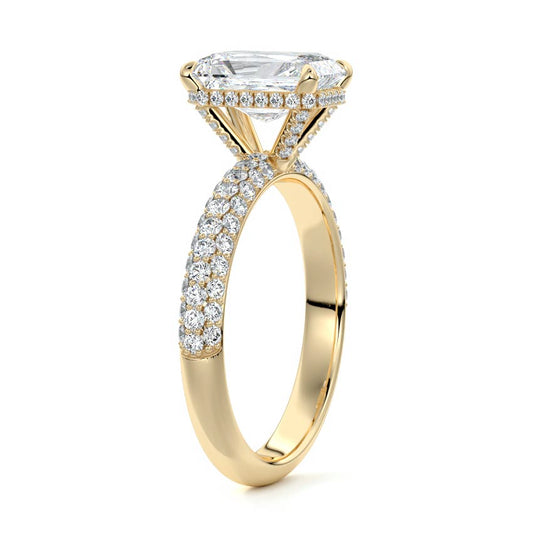
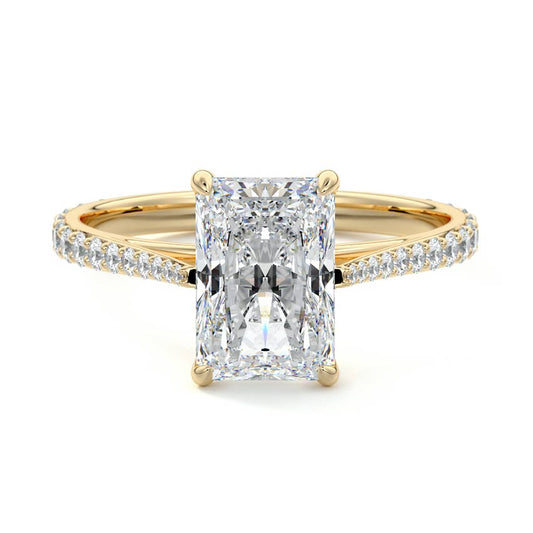
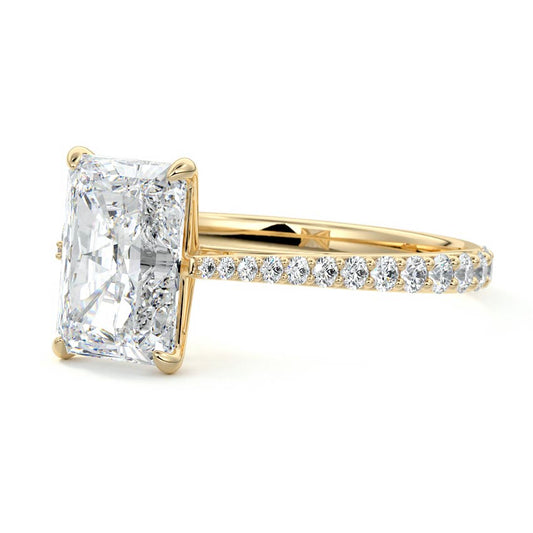
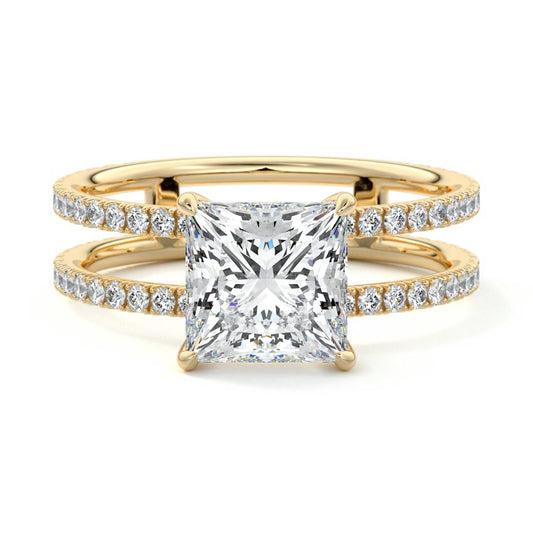
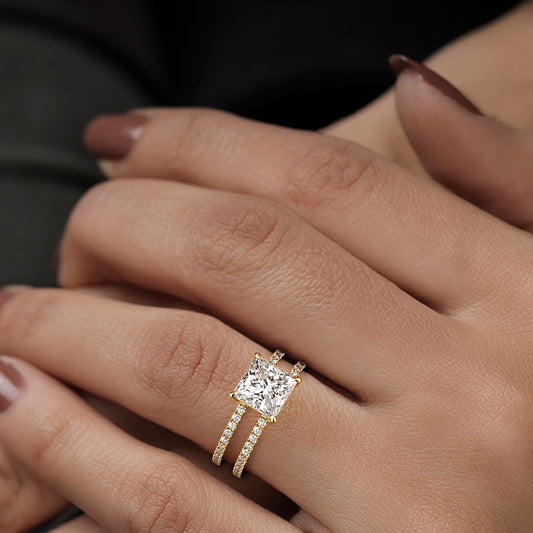
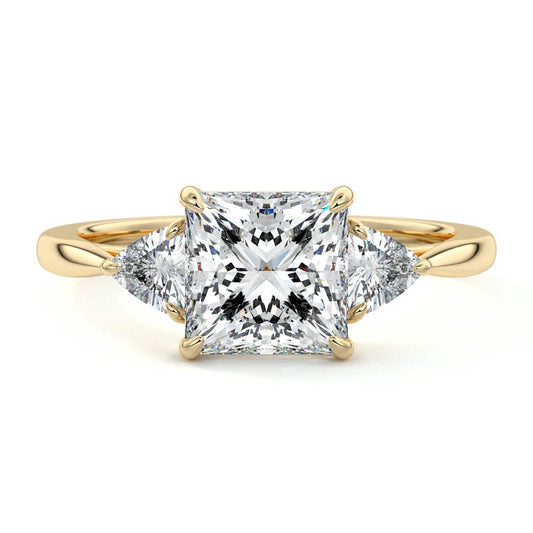
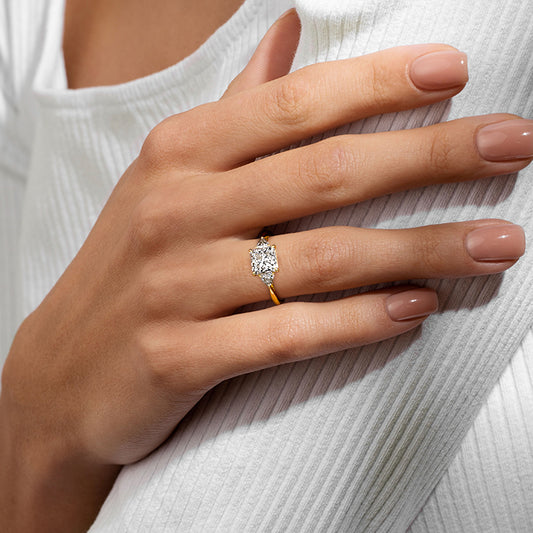
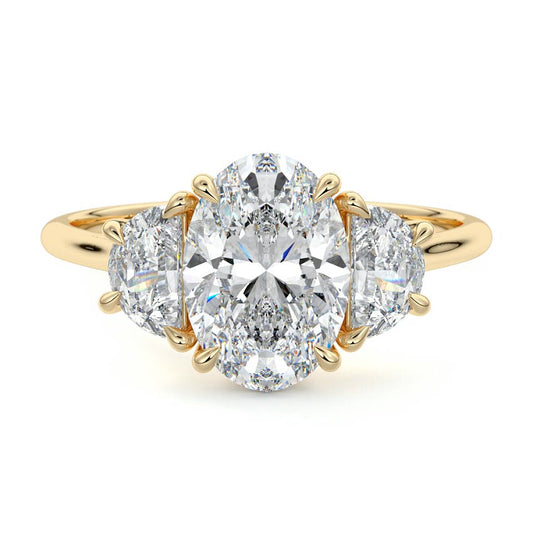
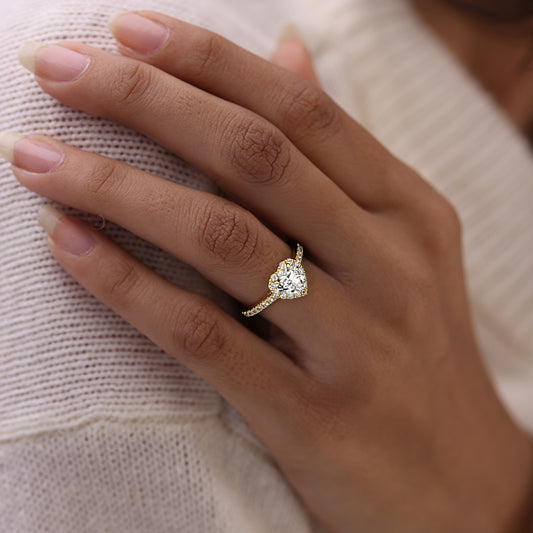
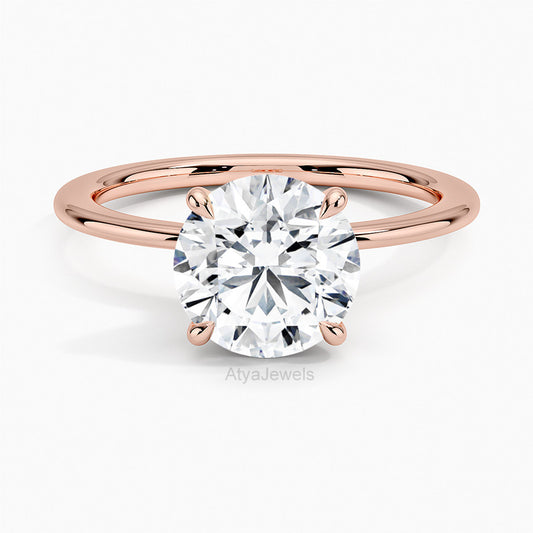
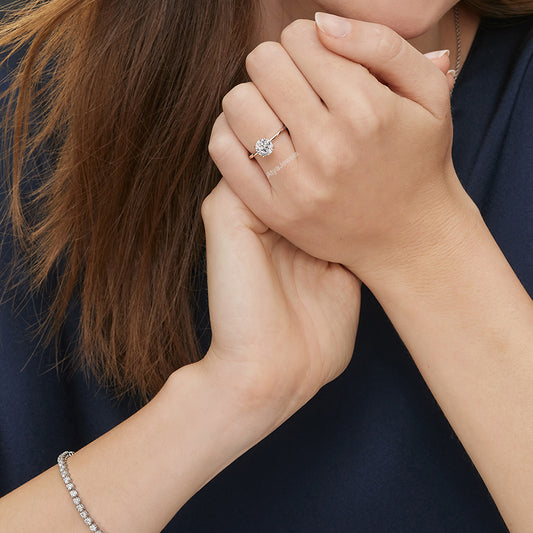
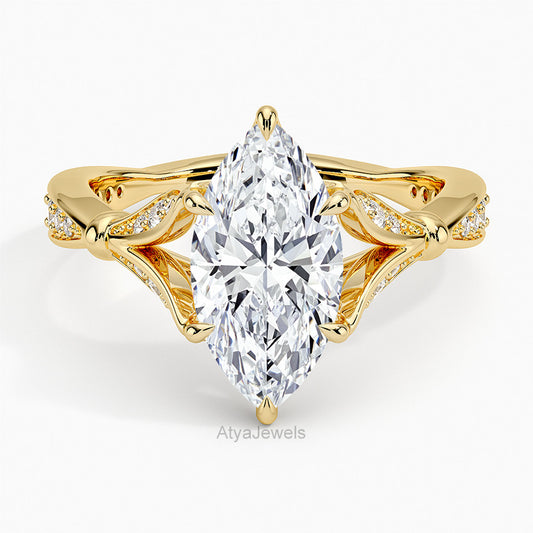
Lab Grown Diamond Engagement Ring: Why Smart Couples Are Choosing Bigger Stones for Less in 2026
Lab-grown diamond engagement rings deliver chemically identical brilliance to mined diamonds at 80–90% lower cost. In 2026, 61% of US couples will choose lab-grown stones, allowing them to upgrade to larger, higher-quality diamonds within their budget. This guide covers pricing, certification, customization, and how to evaluate quality before purchasing.
The Market Shift: Lab-Grown Diamonds Now Dominate Engagement Ring Sales
The engagement ring market has fundamentally transformed. According to The Knot 2026 Real Weddings Study, 61 per cent of US couples now choose lab-grown diamonds for their engagement rings. This represents a 239% increase since 2020—a shift driven by improved production technology, transparent pricing, and changing consumer values.
In 2026, the overall price of lab-grown diamonds is expected to fall by 20% to 30% compared to 2024, primarily due to increased productivity from CVD factories in China and India. However, high-quality lab-grown diamonds with GIA certification maintain better price stability and brand premium.
The real advantage for buyers is purchasing power. The affordability of lab-grown diamonds directly impacts consumer purchasing power, allowing couples to access significantly larger, higher-quality stones without exceeding their financial plans. Rather than settling for a 1-carat natural diamond, couples can now afford a 2-carat lab-grown stone at the same price point.
Key market facts:
- In 2026, lab-grown diamonds account for 61 per cent of US engagement rings, and the average lab ring sells for about $4,300 at a 2-carat centre stone.
- Direct-to-consumer lab-grown diamonds are approximately 85 to 90 per cent less expensive than comparable natural diamonds, with a natural 1 carat IGI or GIA certified diamond averaging $4,500 to $6,500 at US retail, while an equivalent IGI certified lab-grown stone retails for $446 to $678 direct to consumer.
- Global search interest for lab-grown diamond products shows a clear upward trend, with search interest for "lab grown diamond ring" consistently outpacing other categories, peaking in September 2025.
Pricing Breakdown: What You Actually Pay in 2026
Understanding the true cost of a lab-grown engagement ring requires separating the diamond price from the setting cost. This distinction has become critical in 2026.
With diamond prices stabilized and gold and platinum prices rising since 2022, metal choice and setting design now have a larger impact on total ring cost, with the setting representing 30 to 50 per cent of the final retail price for a lab-grown 1-carat solitaire, depending on metal and design complexity.
Price comparison table:
|
Stone Type
|
Carat Weight
|
Colour/Clarity
|
Certification
|
Typical Price Range
|
|
Lab Grown (Direct)
|
1.0
|
E-F / VS2
|
IGI
|
$446–$678
|
|
Lab Grown (Retail)
|
1.0
|
E-F / VS2
|
IGI
|
$1,200–$2,000
|
|
Lab Grown (Premium)
|
2.0
|
D-E / VVS1
|
IGI
|
$1,801–$2,500
|
|
Natural Diamond
|
1.0
|
E-F / VS2
|
GIA
|
$4,500–$6,500
|
|
Natural Diamond
|
1.6
|
E-F / VS2
|
GIA
|
$7,200–$10,400
|
The setting now represents a growing share of total ring cost, and in 2026, buyers should focus less on whether a lab-grown diamond is "too expensive" and more on choosing the right metal and setting.
When shopping, request a detailed invoice showing:
- Diamond price (per carat rate)
- Setting cost (metal type and weight)
- Certification fee (if applicable)
- Customization charges
- Shipping and insurance
This transparency reveals where your money actually goes and helps identify overpriced retailers charging legacy markups.
Certification Standards: IGI vs. GIA for Lab-Grown Diamonds
Certification is your assurance of quality and authenticity. Two institutions dominate lab-grown diamond grading in 2026.
IGI (International Gemological Institute):
IGI dominates lab-grown diamond certification globally with the same grading methodology as natural reports. IGI is the dominant global authority for lab-grown diamond grading and is widely accepted across retail and trade markets, with every IGI report independently verifiable at igi.org/verify-your-report.
GIA (Gemological Institute of America):
GIA has the strongest brand recognition in natural diamonds and premium signalling for resale and luxury positioning. However, GIA certification carries a premium price for lab-grown stones without a corresponding quality advantage.
In 2026, the GIA premium reflects market signalling and resale perception, not a visible quality gap, and for buyers prioritizing value efficiency, IGI certification offers identical specification accuracy at significantly lower cost.
What to verify on any certificate:
- Cut grade (Excellent or better)
- Colour range (D-F for colourless)
- Clarity (VS2 or higher)
- Carat weight
- Certificate number (verify at issuer's website)
When you explore Atyajewels, confirm that all lab-grown diamonds include certified documentation with independent verification available.
The 4Cs Applied to Lab-Grown Diamonds: What Actually Matters
The 4Cs (cut, colour, clarity, carat) apply equally to lab-grown and natural diamonds. However, buyer priorities have shifted in 2026.
Cut: The Most Visible Quality Factor
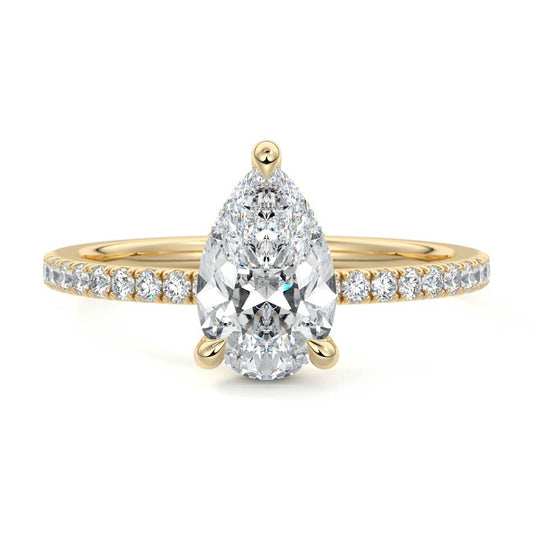
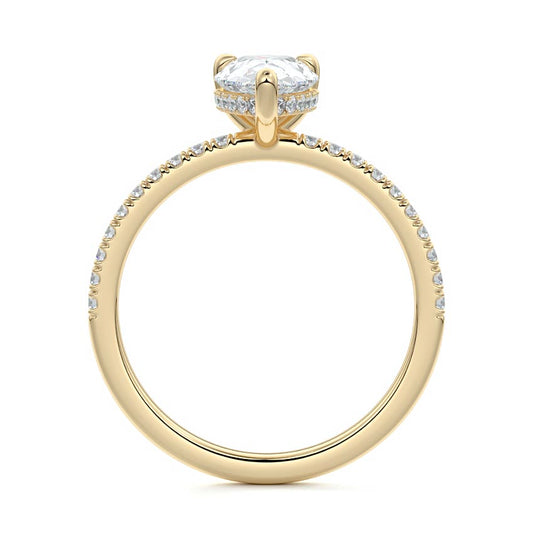
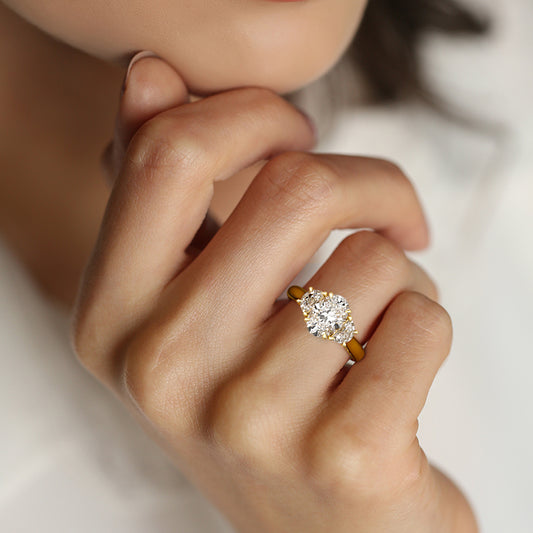
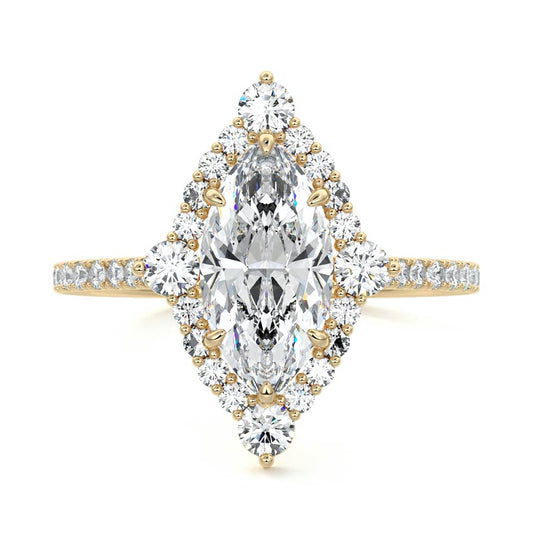
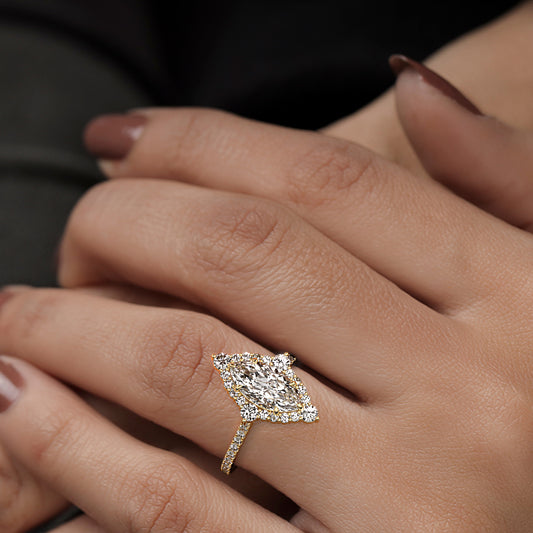
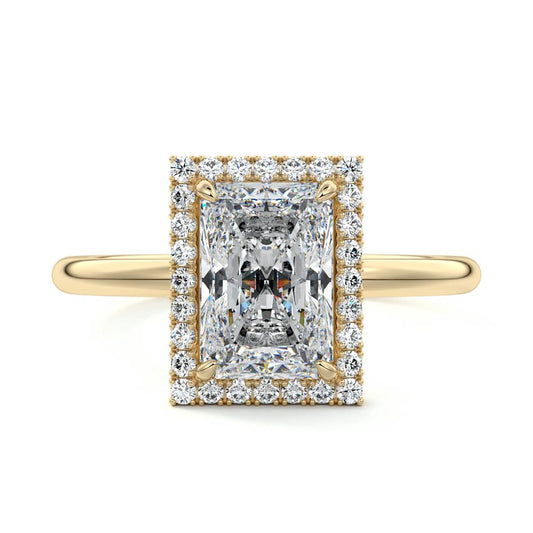
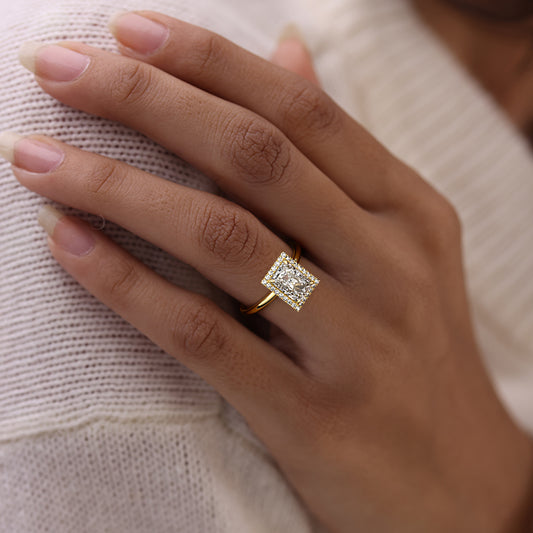
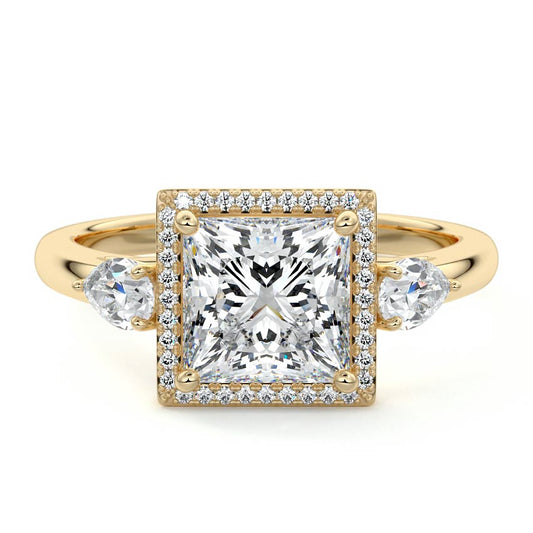
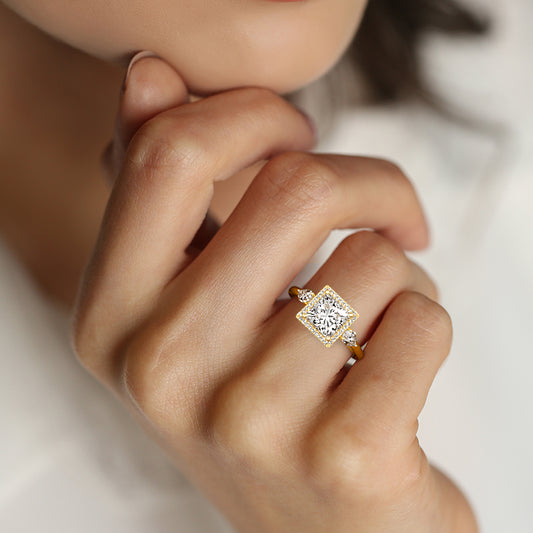
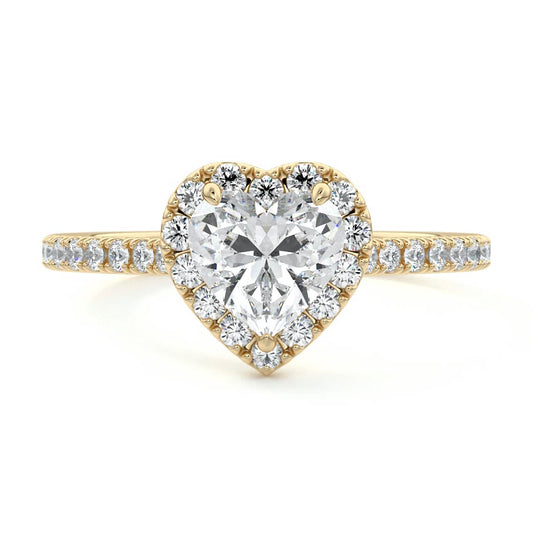
Cut and setting drive the look more than carat alone, with solitaire, halo, three stone, and toi et moi, each reading differently at the same weight. An Excellent cut round brilliant will appear more brilliant than a Good cut stone of identical carat weight.
Colour: D-F is Optimal
Colourless diamonds (D, E, F) are standard for engagement rings. Near-colourless (G-J) stones cost less but show subtle warmth that some buyers prefer. For lab-grown diamonds, colour consistency is excellent across all grades.
Clarity: VS2 is the Sweet Spot
VS2 clarity means the stone is eye-clean—no visible inclusions to the naked eye. Jumping to VVS1 or VVS2 costs significantly more for no practical difference in appearance.
Carat: Size Perception Varies by Shape
Fancy shapes like oval, cushion, and pear often offer better value than round brilliant diamonds, as they appear larger per carat and typically cost 20-40% less for equivalent quality. A 1.5-carat oval can appear as large as a 1.8-carat round at a lower price.
Buying checklist for lab-grown diamonds:
- Decide your total budget (diamond + setting)
- Choose your preferred shape (round, oval, cushion, etc.)
- Prioritize cut quality over carat weight
- Select colour D-F and clarity VS2 minimum
- Verify certification before purchase
- Compare per-carat pricing across retailers
- Confirm customization options and timelines
When evaluating Engagement rings from Atyajewels, use these criteria to compare options and ensure you're getting certified quality at transparent pricing.
Customization and Bridal Sets: Building Your Complete Look
Lab-grown diamonds enable customization that was previously cost-prohibitive. In 2026, couples are designing complete bridal sets rather than purchasing standalone rings.
Why customization matters:
With lab-grown diamonds costing 80–90% less than natural stones, the budget previously spent on the centre stone can now fund:
- Premium metal choices (18K gold instead of 14K, or platinum)
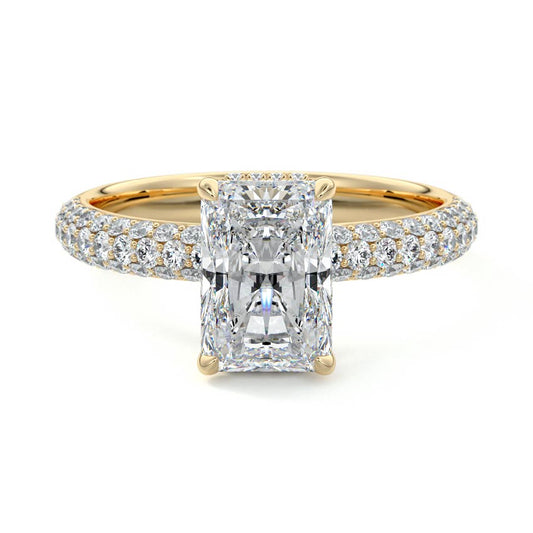
- Intricate setting designs with accent stones
- Matching wedding bands with complementary designs
- Coordinated earrings or necklaces
Bridal set strategy:
A complete bridal set—engagement ring plus wedding band plus coordinating jewellery—creates visual harmony and ensures metals and styles match perfectly. Based on engagement ring data, 14K settings represented 76.5% of new sales in 2020, but by 2025, that dropped to 62.6%, while the share of engagement rings with 18K settings grew by 52.5% during that same time period.
This shift reflects couples upgrading to higher-karat gold because lab-grown diamonds freed up budget for better settings.
Customization timeline:
Most custom lab-grown rings require 4–8 weeks from design approval to delivery. Plan accordingly if you have a specific wedding date. Atyajewels offers Bridal set wedding rings with customization options, allowing you to design a complete coordinated set rather than mixing pieces from different jewellers.
Durability, Care, and Long-Term Value Considerations
Lab-grown diamonds are chemically and physically identical to natural diamonds. They will not degrade, discolour, or lose brilliance over time.
Durability facts:
- Lab-grown diamonds are real diamonds with the same chemical and physical properties as natural diamonds.
- Hardness rating: 10 on the Mohs scale (same as natural diamonds)
- Suitable for daily wear in any setting
- Resistant to scratching, chipping, and environmental damage
Care and maintenance:
Lab-grown diamond rings require the same care as natural diamond rings:
- Clean weekly with mild soap and warm water
- Avoid harsh chemicals and extreme temperature changes
- Remove during high-impact activities (sports, gardening)
- Have the setting inspected annually by a jeweller
- Store in a soft pouch or jewellery box when not worn
Resale value reality:
If you buy a lab diamond and try to sell it later, it might only be worth 10-30% of what you paid, similar to buying a $10,000 car and only getting $1,000 to $3,000 back when you sell it. However, if you're buying an engagement ring you plan to keep forever, the resale value is pretty much irrelevant, and you get a bigger, more beautiful stone for the same budget.
For most couples, the engagement ring is a keepsake, not an investment. The value lies in the beauty and emotional significance, not future resale potential. Pair your lab-grown diamond with complementary pieces like Diamond Earring from Atyajewels to create a coordinated jewellery collection that reflects your personal style.
Making Your Purchase: Where to Buy and What to Verify
The lab-grown diamond market includes direct-to-consumer brands, traditional jewellers, and online retailers. Each channel offers different advantages.
Direct-to-consumer (DTC) brands:
Draco DTC pricing sits 60 to 75 per cent below legacy retail at equivalent specifications, with legacy retailers continuing to price 60 to 75 per cent above DTC rates. DTC brands eliminate middlemen, offering transparent pricing and lower costs. However, you cannot see or try on the ring before purchase.
Traditional jewellers:
Local jewellers allow you to view rings in person and work with a designer on customization. Prices are typically higher than DTC but may include better customer service and local support.
Online retailers with customization:
Brands like Atyajewels combine online convenience with customization options. You can design your ring online, request samples, and work with specialists to ensure quality before final purchase.
Pre-purchase verification checklist:
- Confirm the diamond is certified (IGI or GIA)
- Verify the certificate number at the issuer's website
- Request high-resolution photos or videos of the specific stone
- Confirm return policy (minimum 30 days)
- Check for free shipping and insurance
- Verify the setting of the metal and the weight
- Ask about resizing and lifetime maintenance
- Confirm customization timeline and costs
Red flags to avoid:
- Uncertified diamonds with no independent verification
- Vague color or clarity descriptions
- Prices significantly below market rates (often indicate lower quality)
- No return policy or short return windows
- Pressure to purchase immediately
When shopping at Atyajewels, you'll find Wedding Bands and engagement rings with transparent pricing, certification documentation, and customization support to ensure you're making an informed decision.
Frequently Asked Questions
Q1. Are lab-grown diamonds real diamonds?
Yes, lab-grown diamonds are chemically and physically identical to natural diamonds, with the same hardness, brilliance, and durability.
Q2. How much cheaper are lab-grown diamonds than natural diamonds?
Lab-grown diamonds cost 80–90% less than natural diamonds of equivalent quality, allowing you to purchase a significantly larger stone for the same budget.
Q3. Will a lab-grown diamond engagement ring hold its value?
Lab grown diamonds do not hold resale value like natural diamonds, but they are ideal for engagement rings you plan to keep forever, offering exceptional beauty at a fraction of the cost.
Q4. What certification should I look for when buying a lab-grown diamond?
IGI certification is the global standard for lab-grown diamonds and offers identical grading accuracy to GIA at a lower cost, with every report independently verifiable online.
Q5. How long does it take to receive a custom lab-grown diamond engagement ring?
Most custom lab-grown rings require 4–8 weeks from design approval to delivery, depending on complexity and the jeweller's production schedule.