The Engagement Ring Finger for Female Wearers: A Trip Around the World's Traditions
Ask someone which hand an engagement ring goes on, and they will answer confidently, based entirely on where they grew up. That confidence is the interesting part, because the answer changes the moment you cross a border. This is a short trip around the world, region by region, tracing where the tradition of the engagement ring finger for female wearers actually comes from and how it differs today.
Where the Tradition Began
The story most often told traces back to ancient Rome, where it was believed a vein, the vena amoris or "vein of love," ran directly from the fourth finger of the left hand to the heart. Anatomically untrue, but the romance of the idea outlived the science, and the left ring finger became the Western default for both engagement and wedding rings.
North America and Western Europe: The Left Hand Standard
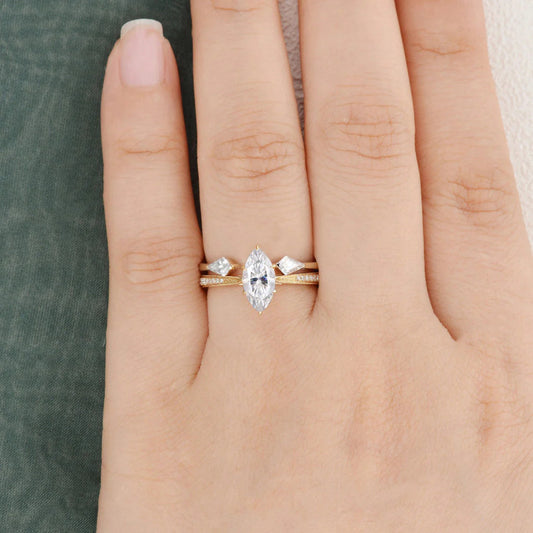
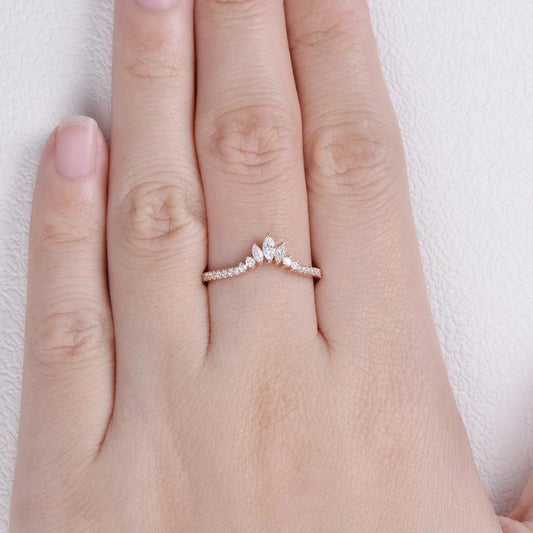
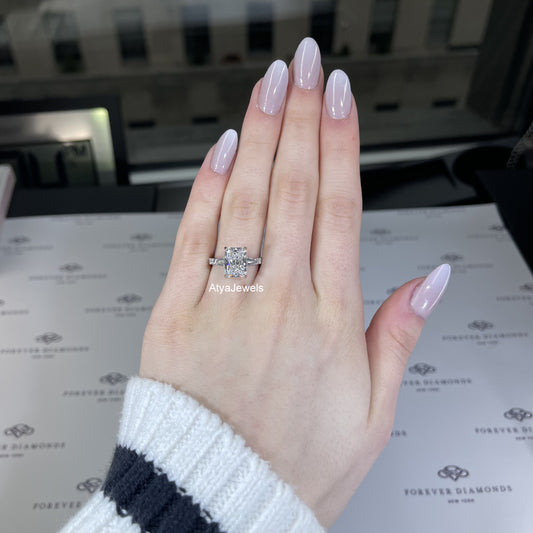
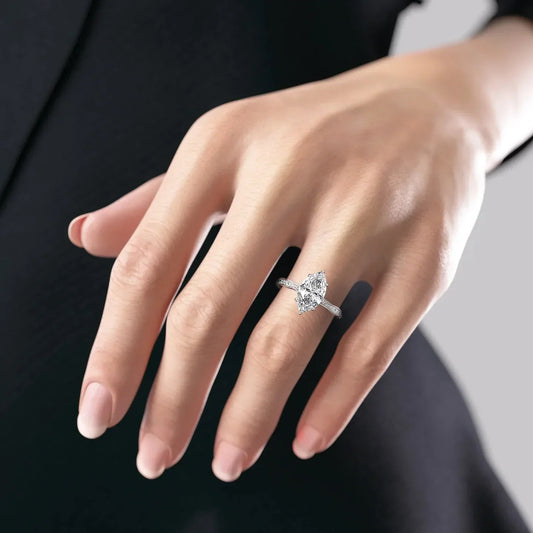
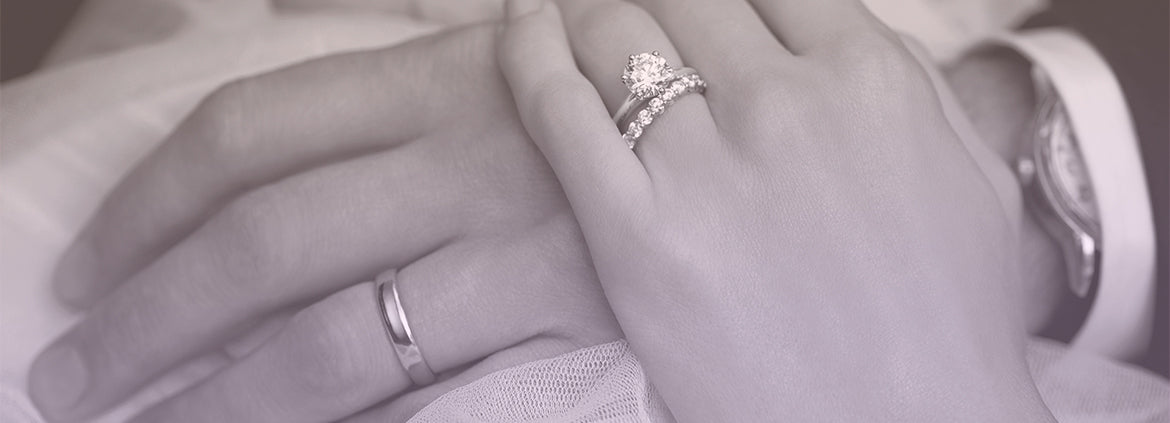
In the United States, Canada, the United Kingdom, and most of Western Europe, the engagement ring sits on the left hand's fourth finger, counting from the thumb. After marriage, the wedding band typically joins it on the same finger, either below or above the engagement ring depending on local custom. Some brides in these regions temporarily move the engagement ring to the right hand on the wedding day itself, so the wedding band can be placed alone during the ceremony, then reunite the two rings afterwards.
Eastern and Northern Europe: The Right Hand Region
Cross into Russia, Germany, Austria, Poland, Norway, Denmark, and several other Central and Northern European countries, and the tradition flips. The right hand's fourth finger is customary for both engagement and wedding rings. There is no single settled explanation for the divide, though some historians connect it to the left hand's Latin association with impurity in older European traditions, an association the right-hand countries rejected entirely.
India and South Asia: A Blended, Evolving Custom
Traditionally, Indian wedding customs placed the greatest ceremonial emphasis on toe rings and the mangalsutra necklace rather than a Western-style engagement ring. Over recent decades, the diamond engagement ring has become widely popular alongside these traditions, generally worn on the left hand's fourth finger in urban and modern celebrations, layered onto, rather than replacing, older customs. Many South Asian brides now build a complete bridal look combining traditional pieces with contemporary rings sourced from a catalogue of engagement rings.
The Middle East: Regional Variation Within One Region
Practice varies noticeably by country here. In many Gulf countries, the right hand is customary, echoing the broader Eastern European and Orthodox pattern. In others influenced more heavily by Western retail markets, the left hand has become common, particularly among younger, urban couples. There is no single Middle Eastern rule, only overlapping local customs shifting alongside global exposure.
Latin America: A Two-Step Journey Across the Hand
Several Latin American countries, including Brazil, Argentina, and Chile, follow a distinctive two-step tradition. The engagement ring is worn on the right hand's fourth finger during the engagement period, then formally moved to the left hand during the wedding ceremony itself, symbolizing the transition from betrothal to marriage. It is one of the more literal, ceremonial uses of finger placement anywhere in the world.
China, Japan, and Parts of East Asia: An Imported Convention
Neither traditional Chinese nor Japanese culture historically used engagement rings at all; the practice arrived largely through Western influence over the twentieth century. Where adopted, it generally follows the Western left-hand convention, though it coexists alongside older regional traditions and gifts, and adoption remains far less universal than in North America or Europe.
Same-Sex Couples and Modern Flexibility
Traditional finger customs assumed a female recipient and, often, a male giver. Modern practice has moved well past that assumption. Same-sex couples, couples who both propose, and individuals who simply prefer a different hand all choose freely today, left or right, with no social penalty attached. The finger a ring sits on has become a personal decision layered on top of, rather than dictated entirely by, regional history.
What This Means for Buying the Ring Itself
Regardless of which hand or finger custom applies, two practical points hold everywhere:
-
Size accurately for the specific finger the ring will actually be worn on, since finger size varies slightly between hands and fingers on the same person
-
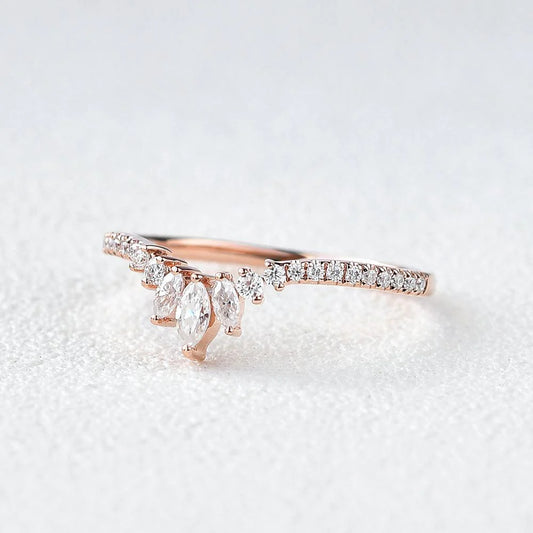
Consider how the engagement ring will eventually sit beside a wedding band, which becomes relevant the moment both rings share one finger, and is worth checking against available wedding bands ahead of the wedding
Couples navigating blended traditions, for example a Western partner and a partner from a right-hand tradition, sometimes solve the question by choosing pieces that work well on either hand. Custom designers, including the team at Atya Jewels, occasionally build rings specifically to accommodate a couple honouring two different family customs at once. Finishing the look with a coordinated bridal set wedding rings purchase, or a matching pair of diamond earrings for the ceremony, works the same regardless of which finger carries the ring itself.
There is no single correct answer to which finger an engagement ring belongs on. There are only traditions, layered by geography and history, and the freedom, increasingly, to choose the one that fits your own story.
Engagement Ring Finger for Female Wearers FAQs
Which finger is standard in the United States?
The left hand's fourth finger, counting from the thumb.
Which countries use the right hand instead?
Russia, Germany, Austria, Poland, Norway, Denmark, and several other Central and Northern European countries.
Why is the fourth finger traditionally chosen at all?
An ancient Roman belief held that a vein ran from that finger directly to the heart.
Do all cultures use rings for engagement at all?
No. Some cultures traditionally emphasized other jewellery, such as toe rings or necklaces, before ring customs spread globally.
What do Latin American countries do differently?
Several wear the ring on the right hand during engagement, then move it to the left hand at the wedding.
Is there a correct hand for same-sex couples?
No fixed rule exists. Couples today choose freely based on personal preference rather than traditional gender-based custom.