The Anatomy of Diamond Earrings: Every Part Explained, From Post to Prong
Product listings for diamond earrings throw out terms like martini setting, screw back, and basket mount as if everyone already knows them. Almost nobody does until someone explains it once. This is that explanation: a full anatomical breakdown of diamond earrings, part by part, so every future listing you read actually makes sense.
The Stone-Holding Structure: Where the Sparkle Lives
This is the visible top of the earring, and its construction determines both how much light reaches the diamond and how securely it stays put.
-
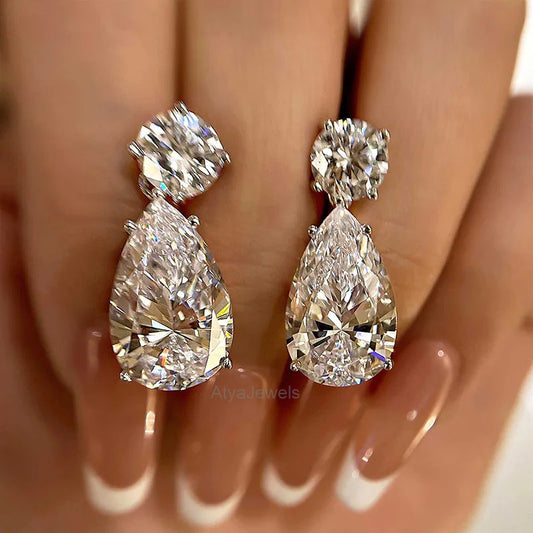
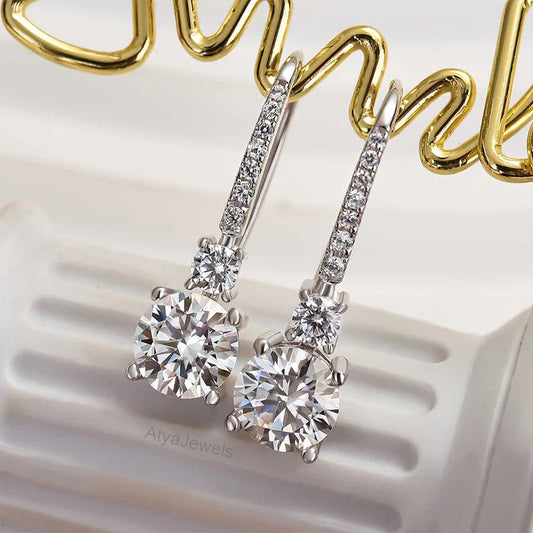
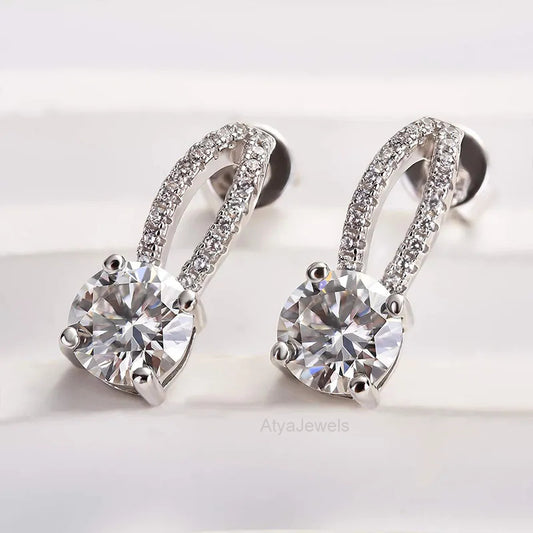
Prong settings: metal claws, usually four or six, gripping the stone's girdle. Four-prong settings show more diamond; six-prong settings hold slightly more securely, mirroring the same trade-off seen in engagement ring settings
-
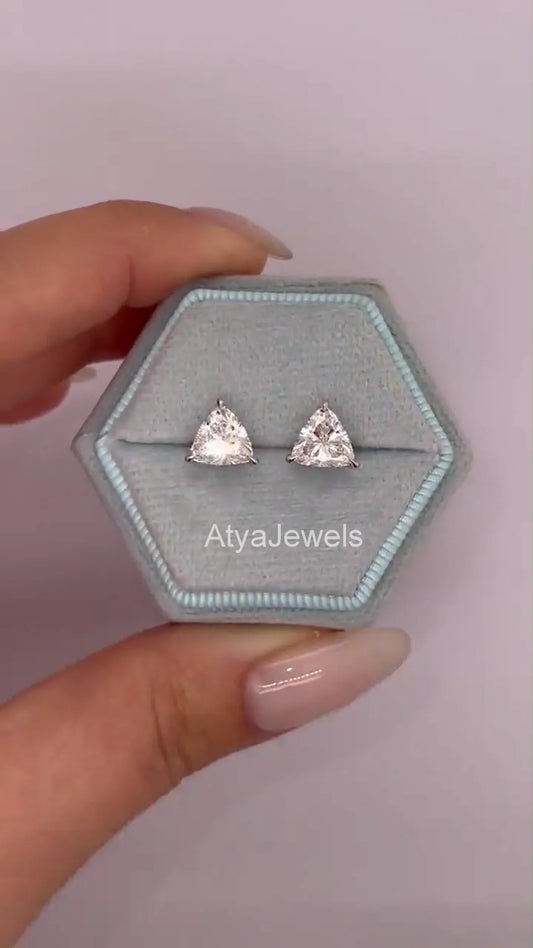
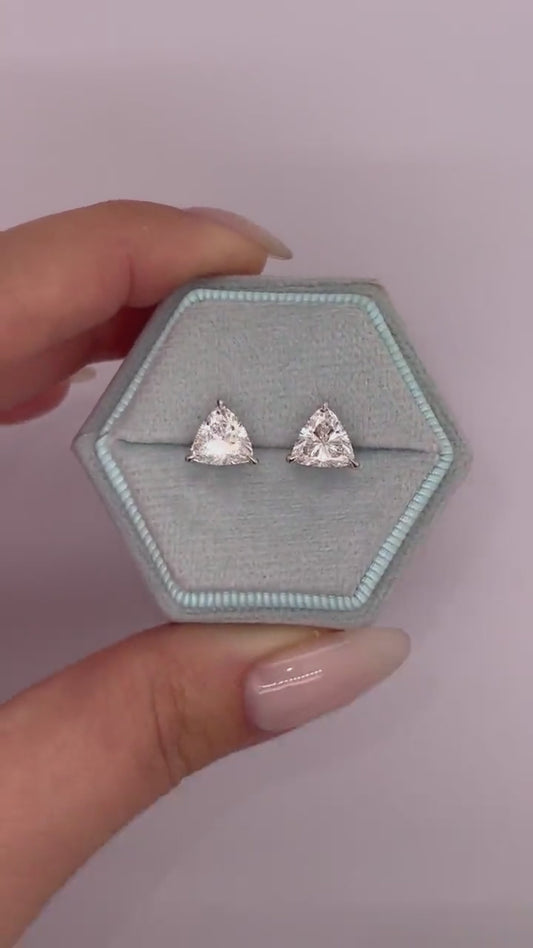
Martini settings: a distinctive three-prong style shaped like a cocktail glass, sitting closer to the earlobe than a standard four-prong basket, which reduces drooping on the ear
-
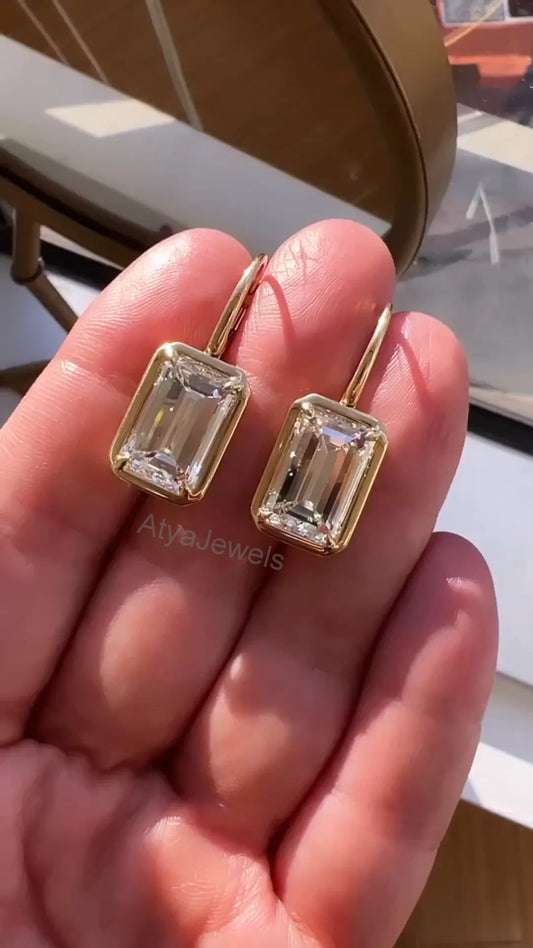
Bezel settings: a full metal rim wrapping the stone entirely, the most protective option and a popular choice for daily-wear studs
-
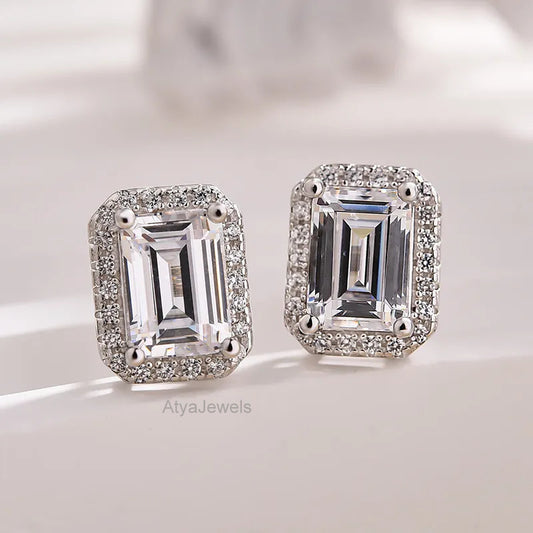
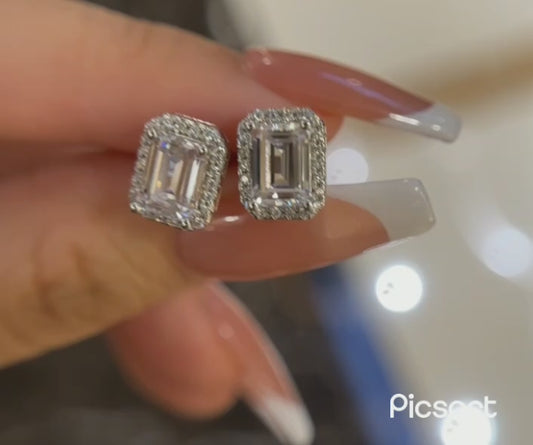
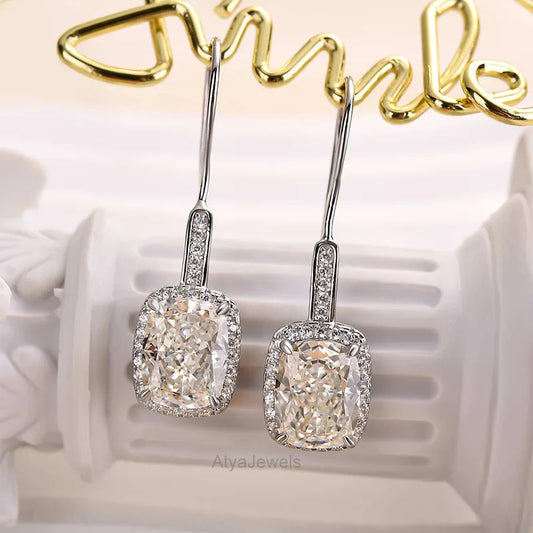
Halo settings: a circle of small accent diamonds surrounding the center stone, boosting perceived size, the same principle used in halo engagement rings
The Basket: The Structure Beneath the Stone
Below the visible prongs sits the basket, a small metal cage holding the setting's structure together and connecting it to the post. Basket height affects how far the stone sits from the ear. A low basket keeps studs sitting flush and subtle; a raised basket lets more light reach the stone's pavilion from underneath, typically producing more visible sparkle at the cost of a slightly higher profile.
The Post: The Part That Actually Pierces the Ear
The post is the thin metal rod passing through the earlobe, and its quality matters more than most buyers realize. Thin, hollow, or low-purity posts bend easily and can irritate sensitive piercings over years of wear. Solid posts in 14k gold, 18k gold, or platinum resist bending and reduce allergic reaction risk, since nickel-free precious metals rarely trigger sensitivity.
The Backs: Four Systems, Four Trade-Offs
The back is the small component securing the earring behind the ear, and choosing the right one matters as much as choosing the stone.
-
Push or friction backs: the standard butterfly-style back, easiest for daily on-and-off wear, adequate security for lighter studs
-
Screw backs: threaded onto the post, offering the highest security available, the recommended choice for valuable stones worn for extended periods
-
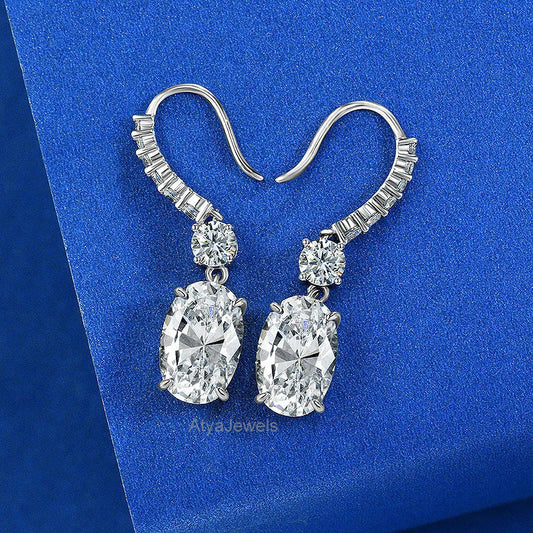
Lever backs: a hinged mechanism common on drop and dangle earrings, combining secure closure with easy one-handed removal
-
Locking or safety backs: a spring-loaded mechanism that clicks into place, popular for active wearers and children's earrings where accidental loss is a bigger concern
Choosing a back is not purely cosmetic. Heavier drop and hoop styles genuinely need lever or locking backs, while lightweight studs perform fine on standard friction backs.
The Four Main Silhouettes, and How Their Anatomy Differs
Once the components are understood, the major earring styles become easy to distinguish by construction rather than just appearance.
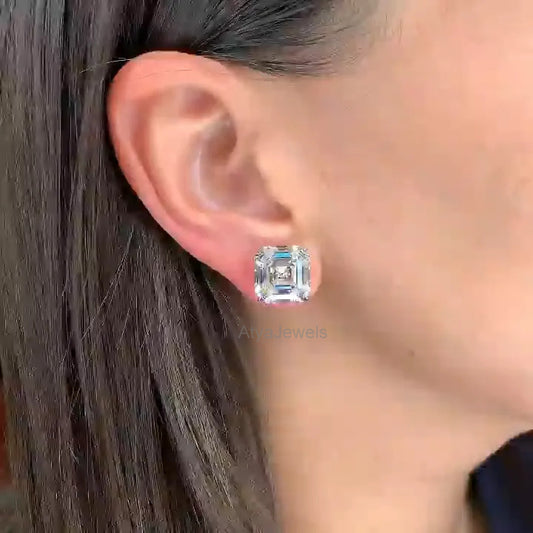
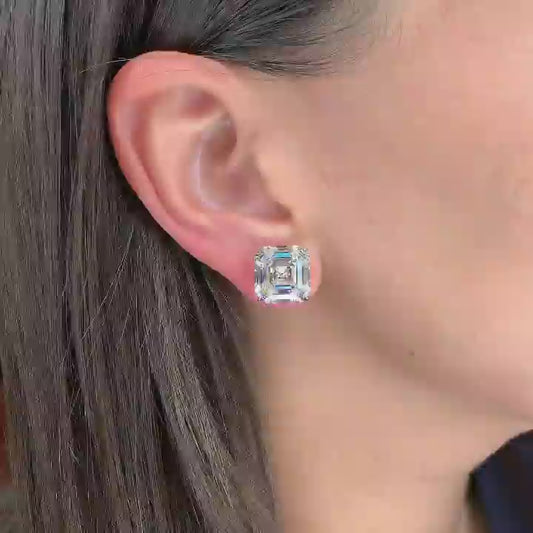
Studs sit flush against the earlobe with minimal movement, using a simple post, setting, and back, the most common starting point for a first diamond purchase.
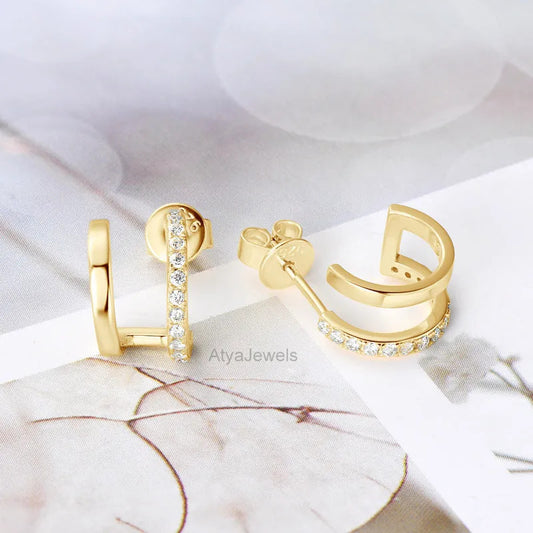
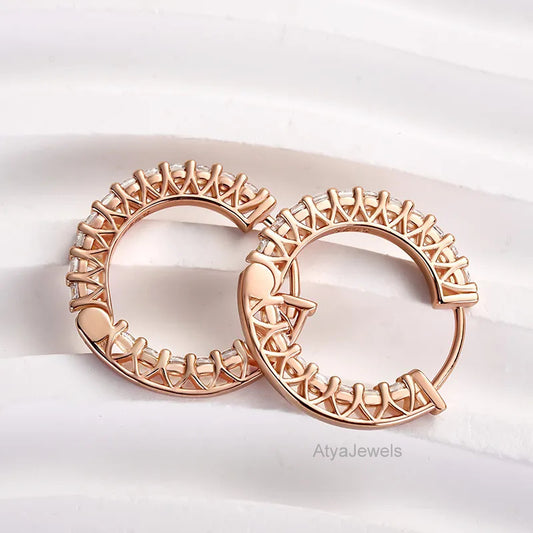
Huggies are small hoops that "hug" the earlobe closely, typically 8 to 14 mm, using a hinged closure rather than a separate post and back system.
Drops and dangles hang below the lobe using a connecting loop or chain between the top stud element and a lower stone or charm, relying on lever backs for secure, comfortable movement throughout the day.
Chandeliers and statement hoops use multiple connected elements or larger diameters, distributing weight across a sturdier post or wire structure specifically engineered to support the additional mass without excessive ear strain.
How This Anatomy Affects What You Should Actually Buy
Understanding construction translates directly into smarter shopping decisions. For daily wear, prioritize a secure basket setting, a solid post, and a back matched to the earring's weight; a heavy drop on a flimsy friction back is a genuine loss risk, not just a comfort issue. For sensitive ears, insist on solid, nickel-free posts regardless of how attractive the visible setting looks in a photo. For maximum security on a valuable pair, choose screw backs over push backs without exception.
Comparing construction details across a full range of diamond earrings rather than relying on a single photo angle is the most reliable way to judge quality before buying, particularly for online purchases where you cannot handle the piece directly.
Bringing the Anatomy Into a Full Bridal Look
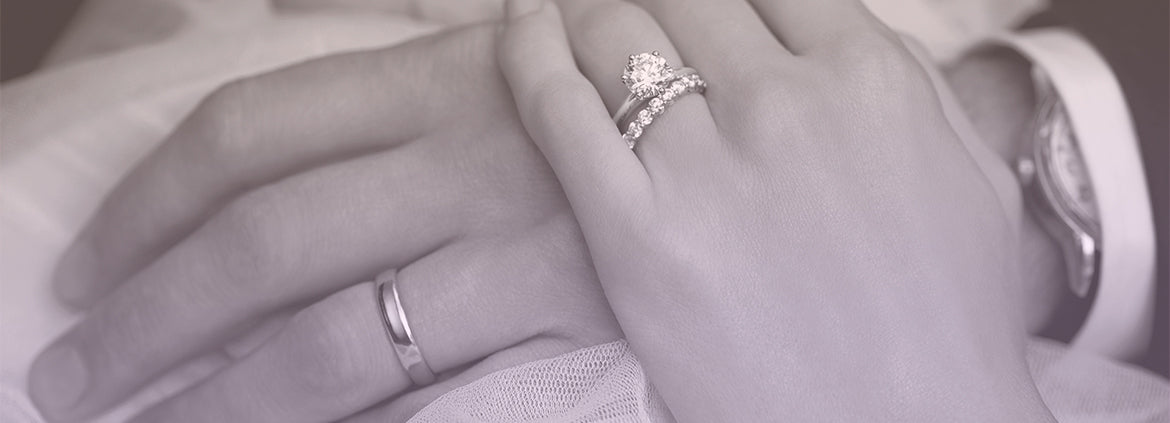
Earring construction becomes especially relevant on a wedding day, when a piece is worn continuously for many hours under real physical activity, dancing, hugging, and hours of photographs. Brides frequently choose lever-back drops specifically for this reason: security and comfort over an unusually long wear period. Coordinating that choice with the day's rings, whether an existing engagement ring from a broader engagement rings collection or a full coordinated bridal set wedding rings purchase, keeps metal tones and stone shapes consistent across the whole look. For the groom, a simple matching band from a standard wedding bands range completes the picture without needing to touch the earring conversation at all.
Once you can name every part of a diamond earring, from martini prong to lever back, every future product page stops being a wall of jargon and starts being a specification sheet you can actually evaluate.
Diamond Earrings FAQs
What is a martini setting?
A three-prong setting shaped like a cocktail glass, sitting close to the ear to reduce drooping.
Which earring back is most secure?
Screw backs offer the highest security, recommended for valuable or frequently worn stones.
Why does post quality matter?
Thin or low-purity posts bend easily and can irritate piercings, especially with prolonged wear.
What is the difference between a basket and a bezel setting?
A basket holds the stone via prongs from below; a bezel wraps a full metal rim around the stone's edge.
Which back is best for drop earrings?
Lever backs, since they combine secure closure with comfortable, easy removal for heavier styles.
Do hoops and studs use the same closure system?
No. Studs use a post and separate back; hoops typically use a hinged closure built into the piece itself.