Bridal Set Rings: A Simple Matrix for Matching Any Engagement Ring Style
Matching a wedding band to an engagement ring should not require a design degree. It requires knowing one thing: your engagement ring's style, and one matrix that tells you what pairs with it. This guide is that matrix, organized by engagement ring style so you can find your row and know exactly what to look for in bridal set rings.
What Actually Makes a Bridal Set a Set?
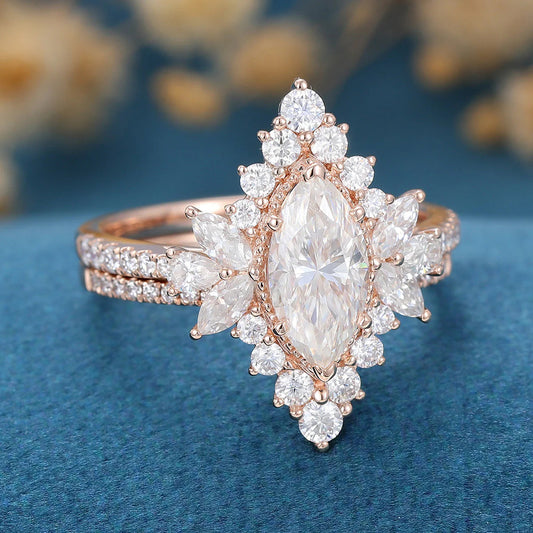
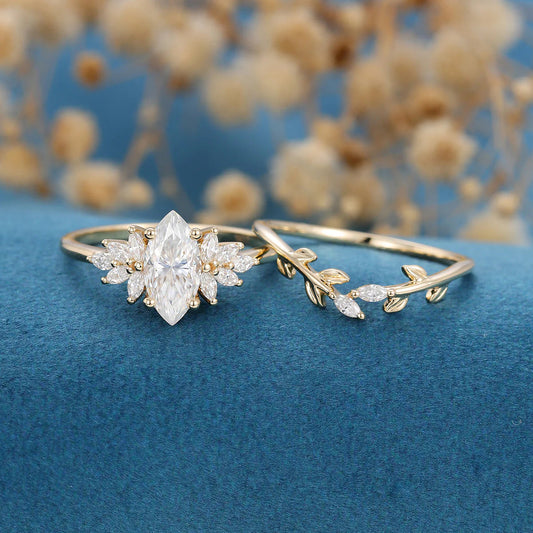
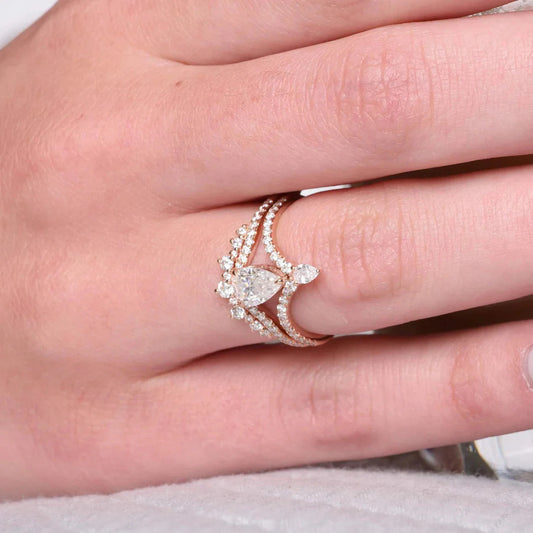
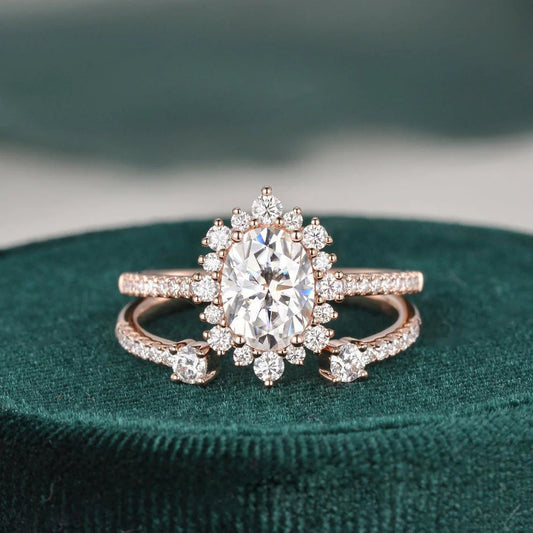
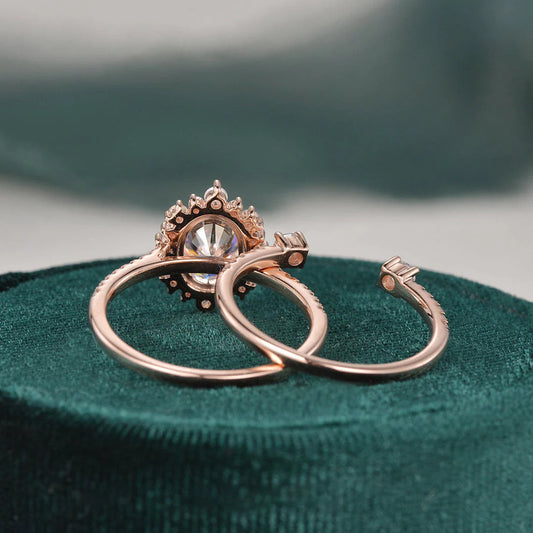
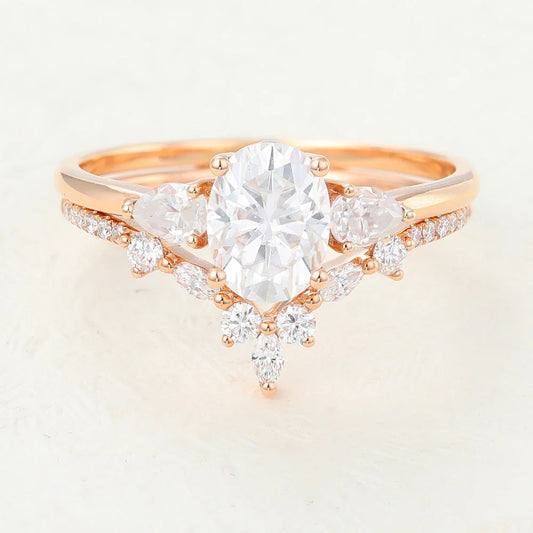
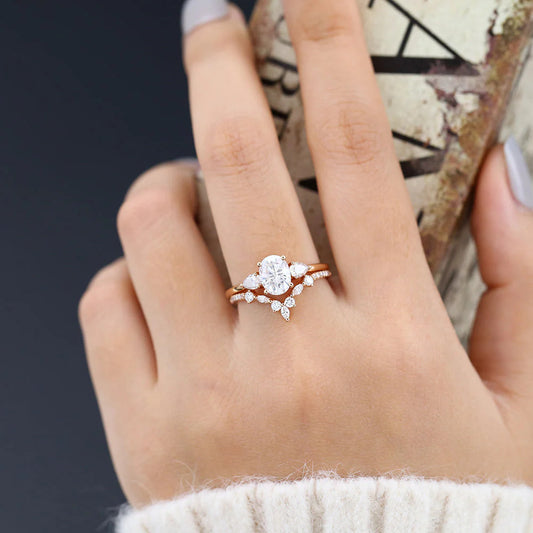
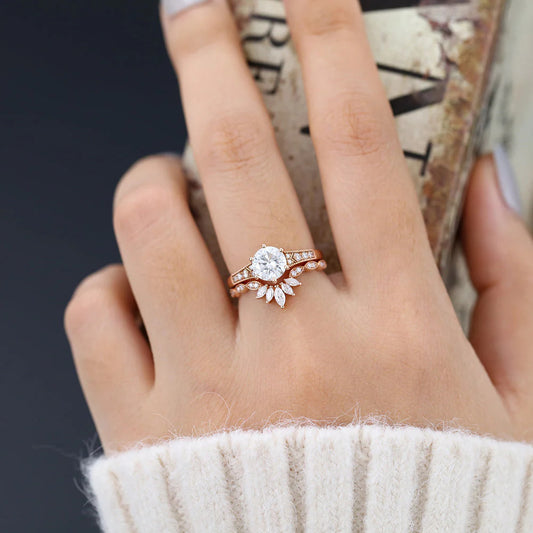
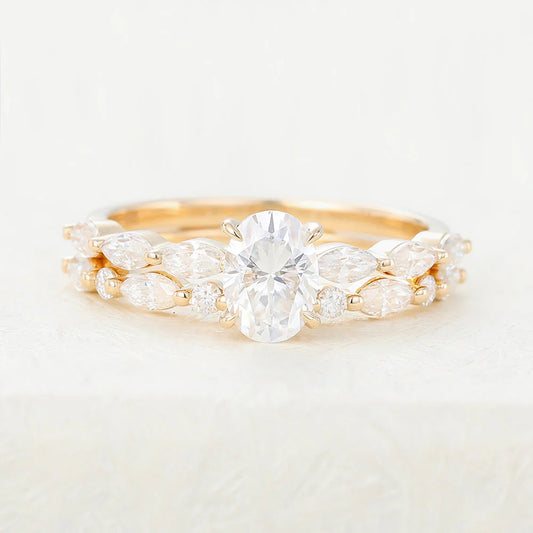
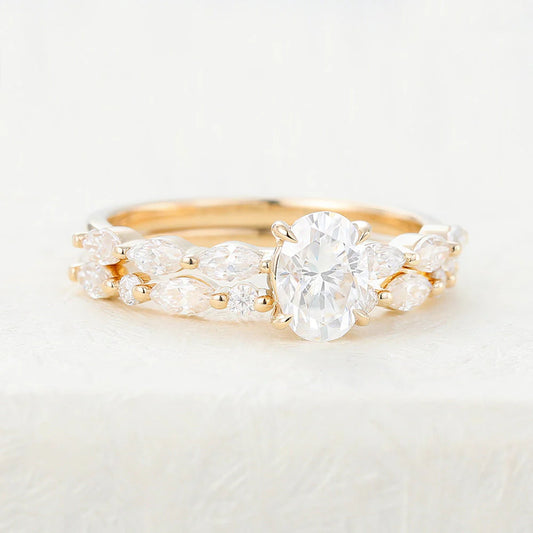
Before the matrix, one definition. A bridal set means an engagement ring and wedding band designed together as a unit, sharing metal, profile, and often a contoured shape that lets the two rings sit flush with zero gap. This differs from simply buying two rings separately that happen to match reasonably well; a true set is engineered to nest.
Sets solve the single most common post-wedding jewellery complaint: a straight wedding band that will not sit flush against a curved or high-set engagement ring, leaving an awkward gap at the base.
Row One: If Your Engagement Ring Is a Solitaire
Pair with: a plain or slightly curved band in matching metal and width.
Solitaires are the easiest style to match, precisely because their simplicity leaves the most flexibility. A straight band works if the solitaire sits low; a gently contoured or notched band works if the solitaire's prongs curve outward. Width matters more than most buyers expect; a band should be roughly equal to or slightly narrower than the engagement ring's shank for visual balance.
Common mistake to avoid: choosing a heavily detailed band against a minimalist solitaire, which fights the entire point of the style. Browsing solitaire-focused engagement rings alongside their matching bands shows this pairing logic clearly.
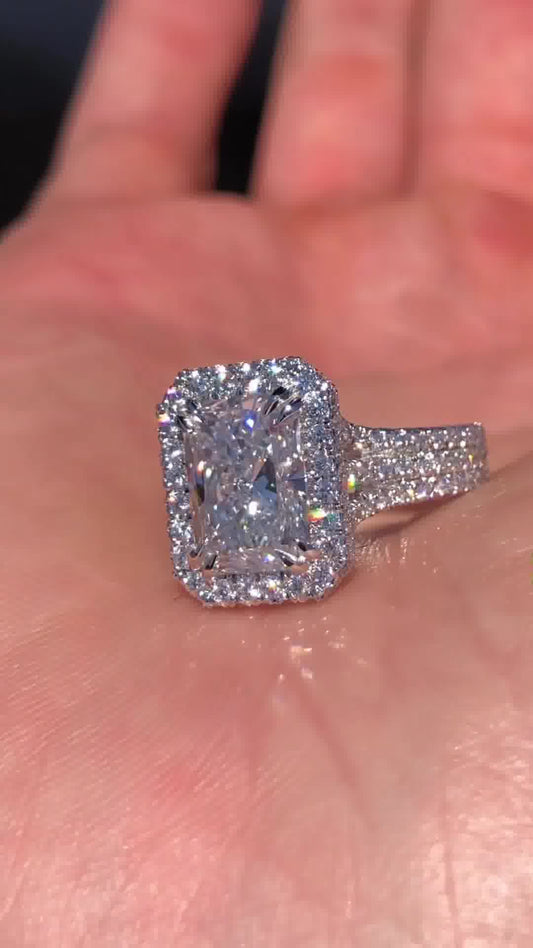
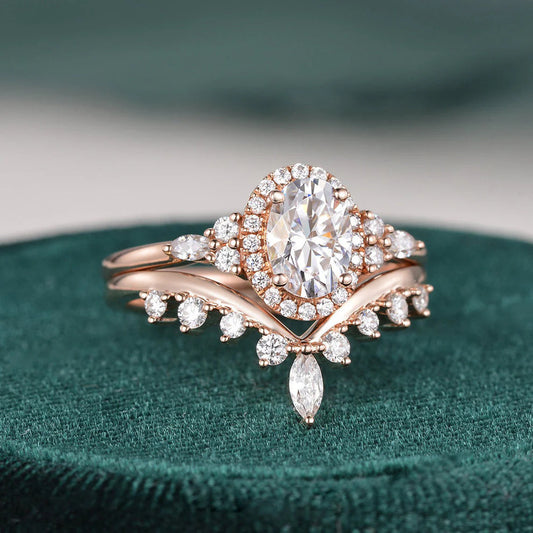
Row Two: If Your Engagement Ring Has a Halo
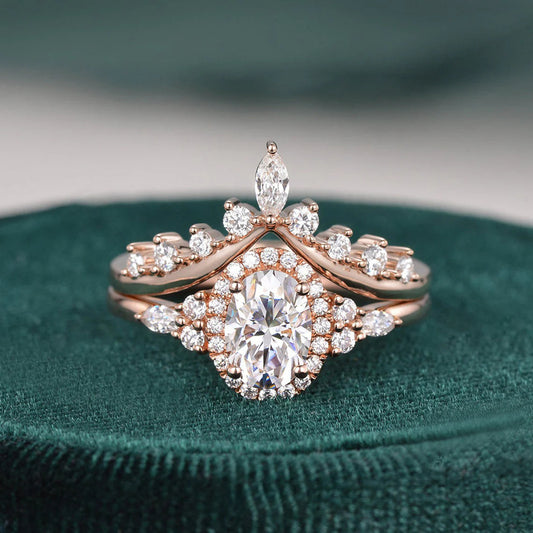
Pair with: a curved or contoured band that follows the halo's outer edge.
Halo settings are wider at the base than solitaires, so a straight band often leaves a visible gap on either side. A curved band, shaped specifically to trace the halo's outline, closes that gap completely and reads as a single continuous piece of jewellery rather than two separate rings pushed together.
Common mistake to avoid: assuming any curved band will fit. Curve radius varies between halo sizes, so a true matched set, rather than a generically curved band bought separately, is the safer route here.
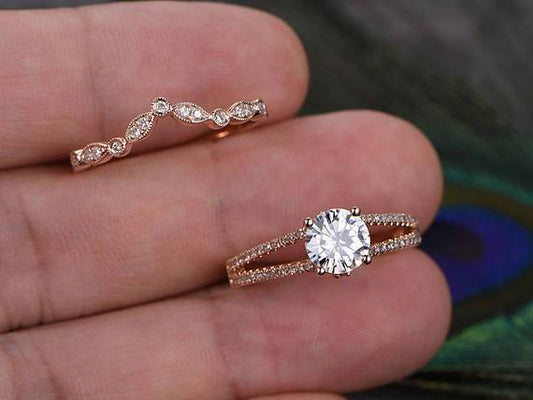
Row Three: If Your Engagement Ring Is Vintage or Antique-Inspired
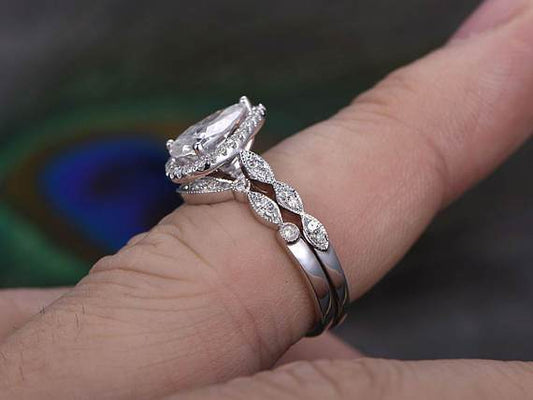
Pair with: a band echoing the same era's details, milgrain edging for Edwardian-style rings, geometric step detailing for Art Deco, or engraved scrollwork for Victorian-inspired pieces.
Vintage engagement rings carry design language on the band itself, not just the center setting, so a plain modern band can look mismatched even if the metal color is correct. Matching era details, not just metal, is the real key to a cohesive vintage bridal set.
Common mistake to avoid: matching only the metal color and ignoring surface detail entirely, which is the single most common vintage-pairing error.
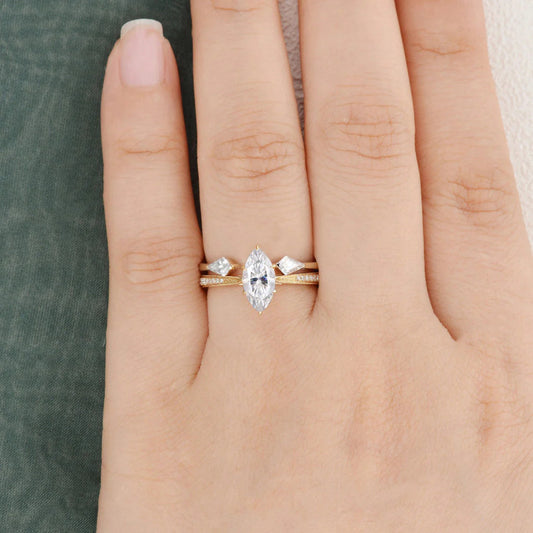
Row Four: If Your Engagement Ring Is a Three-Stone or Toi et Moi
Pair with: a simple straight or slightly curved band that stays deliberately quiet.
These styles already carry significant visual weight from multiple stones, so the band's job is to support, not compete. A plain metal band, or one with minimal pave detail, lets the engagement ring remain the clear focal point.
Common mistake to avoid: choosing a heavily set band that turns the whole hand into visual noise. Restraint is the design principle here.
Row Five: If Your Engagement Ring Uses a Bezel Setting
Pair with: a matching bezel-accented band or a plain band in identical metal.
Bezel settings read modern and architectural, so bands with traditional prong-set stones can feel stylistically inconsistent. A band using the same bezel language, even in smaller-scale accent stones, keeps the whole hand visually unified.
Common mistake to avoid: pairing a bezel-set engagement ring with an ornate, traditional band, creating two competing design languages on one hand.
Why Buying the Set Together Beats Buying Separately
Beyond aesthetics, three practical reasons favour a genuine matched set over separate purchases:
-
Guaranteed fit, since the wedding band is engineered specifically for the engagement ring's exact contour
-
Often better combined pricing than buying two unrelated pieces from different collections
-
One resize process instead of two, since matched sets frequently account for sizing across both rings simultaneously
Explore a dedicated range of bridal set wedding rings organized by style to find your row in the matrix already built and ready to try on. For engagement rings that fall outside standard designs, custom houses like Atya Jewels can build a band specifically contoured to an existing ring's exact profile, solving the matching problem even after the engagement ring was purchased separately.
Completing the Look Beyond the Rings
A matched bridal set solves the hand, but many couples extend the same matching logic further. Coordinated wedding bands for both partners in a shared metal tone create consistency across the ceremony, and a pair of diamond earrings in the same metal rounds out the bride's full look for the wedding day itself.
Find your engagement ring style in the matrix above, and the right bridal set stops being a guessing game and becomes simply the next row down.
Bridal Set Rings FAQs
What is the difference between a bridal set and buying two separate rings?
A bridal set is designed as one engineered unit, guaranteeing a flush fit; separate rings may or may not match well.
Do I need a curved band for a halo engagement ring?
Usually yes, since halo settings are wider at the base and a straight band often leaves a visible gap.
Can I match a band to an engagement ring I already own?
Yes, particularly through a custom order built around your ring's existing contour.
Is buying a bridal set cheaper than buying separately?
Often yes, since sets are typically priced as a coordinated package.
What band style suits a vintage engagement ring?
A band echoing the same historical era's detailing, not just matching metal color alone.
Should the band width match the engagement ring exactly?
It should be roughly equal to or slightly narrower for the most balanced, cohesive look.