Silver Engagement Rings for Women: A Three-Metal Showdown, Judged Fairly
Silver gets an unfair reputation in engagement ring conversations, often dismissed before it gets a real hearing. This article gives it one, lining silver up against white gold and platinum across the categories that actually decide whether a ring survives decades of daily wear. No metal wins every round. Read the whole showdown before deciding.
Round One: What Are You Actually Buying?
Sterling silver used in fine jewellery is 92.5 percent pure silver alloyed with other metals for strength, commonly stamped 925. White gold is a gold alloy, usually 14k or 18k, plated with rhodium for its bright white finish. Platinum is a naturally white, dense precious metal used at high purity, typically 950 (95 percent pure).
The starting point matters because it explains every difference that follows. Silver is the softest and most affordable of the three. Platinum is the densest, most durable, and most expensive. White gold sits in between on nearly every measure.
Round Two: Durability
-
Silver: rates around 2.5 to 3 on the Mohs hardness scale, noticeably soft. It scratches and dents more easily than gold or platinum under daily wear
-
White gold: harder than silver due to its alloy composition, a reasonable daily-wear metal for most lifestyles
-
Platinum: dense and resistant to loss, since it displaces rather than sheds metal when scratched, developing a soft patina instead of wearing thin
Winner: platinum, by a clear margin, with white gold a solid second. Silver finishes last here, and this is its most significant honest limitation as an everyday engagement ring metal.
Round Three: Tarnish and Maintenance
-
Silver: tarnishes over time through natural oxidation, requiring regular polishing to stay bright; more upkeep than either gold option
-
White gold: does not tarnish, but its rhodium plating wears thin over one to three years, requiring replating to maintain the bright white finish
-
Platinum: does not tarnish and needs no replating, only periodic professional polishing to maintain shine
Winner: platinum again, with silver requiring the most frequent owner attention of the three.
Round Four: Price
-
Silver: the clear budget leader, often a fraction of the cost of gold or platinum settings at equivalent design complexity
-
White gold: mid-range, with 14k generally more affordable than 18k
-
Platinum: the most expensive of the three, due to density, rarity, and processing cost
Winner: silver, decisively. This is precisely why it remains a genuinely reasonable choice for specific buyers, not a lesser one.
Round Five: Who Should Actually Choose Each Metal?
Silver makes sense for a promise ring or placeholder engagement ring while saving for a permanent piece, a first fine jewellery purchase for a younger buyer, or a temporary ring for travel and daily errands to protect a more valuable piece at home. It is not the recommended choice for a primary engagement ring intended for decades of daily, uninterrupted wear, given its softness and tarnish tendency.
White gold suits buyers who want a bright, icy look at a moderate price and do not mind occasional replating as routine maintenance, similar to getting a watch battery changed.
Platinum suits buyers prioritizing minimum maintenance and maximum longevity, and who have the budget to support its higher upfront cost.
What If You Genuinely Want the Silver Look, Long Term?
If the bright white silver aesthetic is non-negotiable but daily-wear durability also matters, two honest paths exist. First, treat white gold as "durable silver," since its rhodium finish delivers a nearly identical bright white look with meaningfully better hardness, just with periodic replating as a known cost. Second, treat platinum as "permanent silver," accepting a higher price for a look that never needs replating and resists wear for a lifetime.
Comparing the actual look of all three side by side, rather than relying on names alone, is the fastest way to settle this. A catalogue of engagement rings filtered by metal shows how close white gold and platinum genuinely sit to silver's aesthetic while offering superior daily-wear performance.
Building a Full Look Around Your Metal Choice
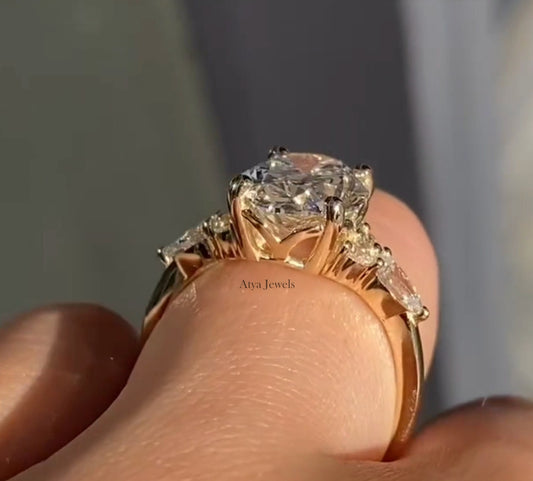
Whichever metal wins for you, consistency across the full bridal look matters more than any single piece. A silver or white metal engagement ring should generally sit beside matching white metal wedding bands rather than mixed tones, unless a deliberate two-tone design is the goal. Buyers who want this consistency guaranteed from the start often choose coordinated bridal set wedding rings, and a matching pair of white metal diamond earrings completes the palette for the wedding day itself. Custom workshops, including Atya Jewels, can also build a ring in any of the three metals around a chosen stone, letting you apply this entire showdown to a design made specifically for one hand.
No metal loses every round. Silver wins on price, platinum wins on durability and maintenance, and white gold splits the difference. The right choice depends entirely on what you are actually optimizing for.
Silver Engagement Rings for Women FAQs
Is silver durable enough for an everyday engagement ring?
It is the softest of the three main white metals and tarnishes over time, making it less ideal for decades of uninterrupted daily wear.
Does silver tarnish faster than white gold?
Yes. Silver oxidizes and needs regular polishing; white gold does not tarnish but needs periodic rhodium replating instead.
Is platinum worth the higher price over silver?
For a primary, lifelong engagement ring, most buyers find platinum's durability and low maintenance worth the premium.
Can I use silver as a placeholder ring?
Yes. Many buyers use silver for a promise ring or temporary ring while saving for a permanent piece.
Does white gold look the same as silver?
Very close. Rhodium-plated white gold delivers a nearly identical bright white finish with better daily-wear hardness.
Should my wedding band match my engagement ring's metal?
Generally yes, for a cohesive look, unless a deliberate two-tone design is intended.