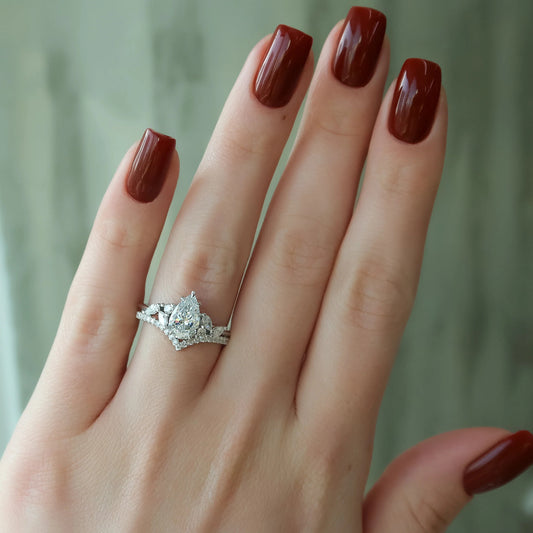
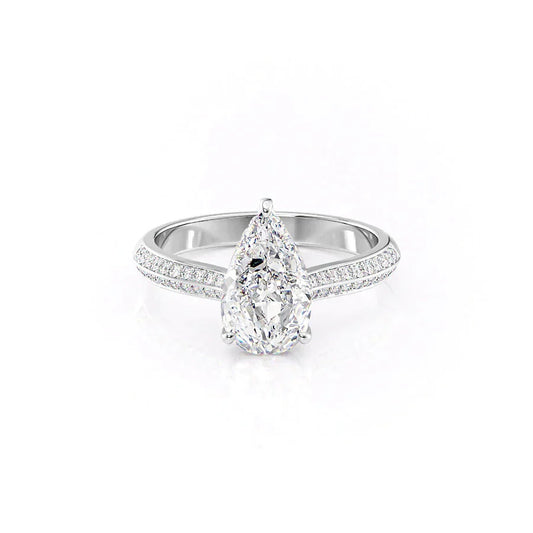
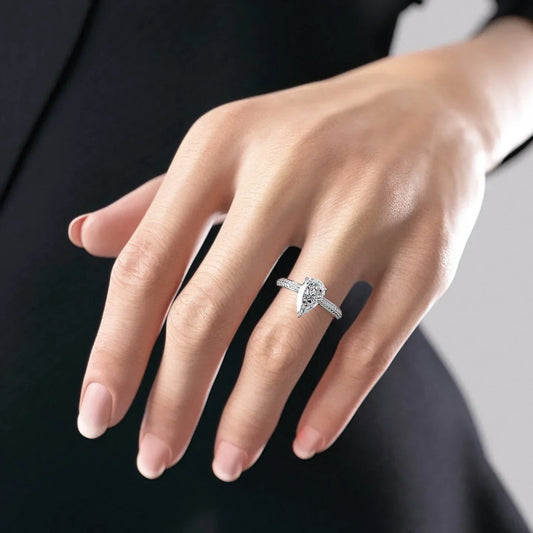
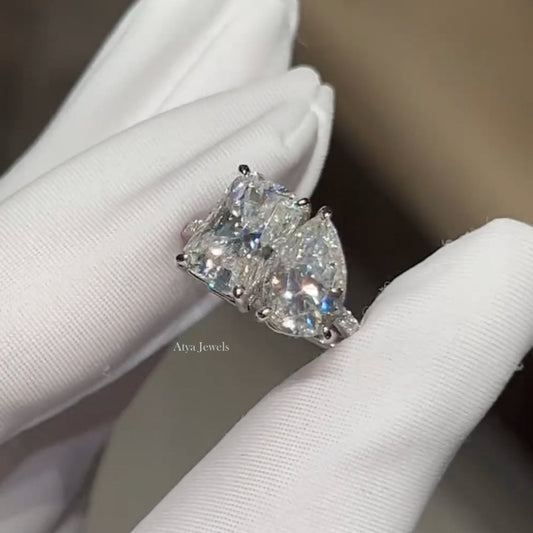
Pear Shaped Engagement Ring: Why This Teardrop Cut Is Dominating 2026 Bridal Trends
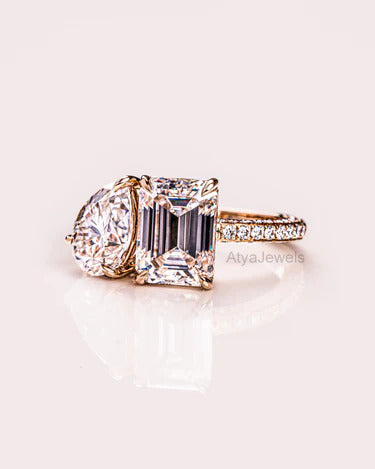
Pear-shaped engagement rings combine round-cut brilliance with marquise elegance in a distinctive teardrop silhouette. In 2026, they rank third among engagement ring shapes, offering dramatic visual impact, finger-flattering proportions, and exceptional value—especially in lab-grown and moissanite options. This guide covers everything you need to select, customize, and invest wisely.
Why Pear-Shaped Engagement Rings Are Trending in 2026
Pear rose two places from fifth last year to third, further showing that rounded and softer silhouettes are here to stay. Since individuality remains a major jewellery trend in 2026, pear-shaped engagement rings continue attracting buyers searching for distinctive and fashionable luxury pieces.
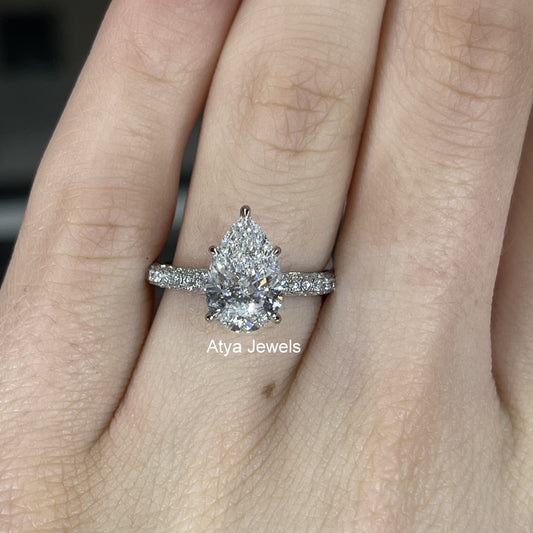
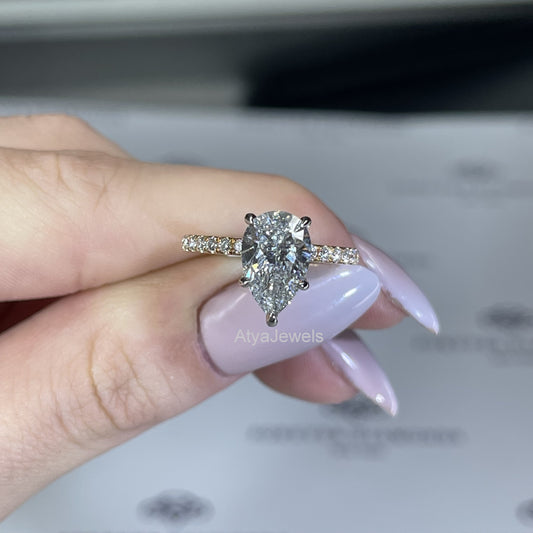
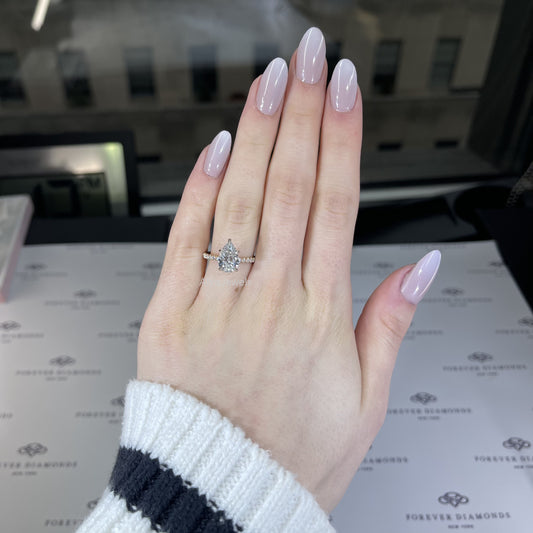
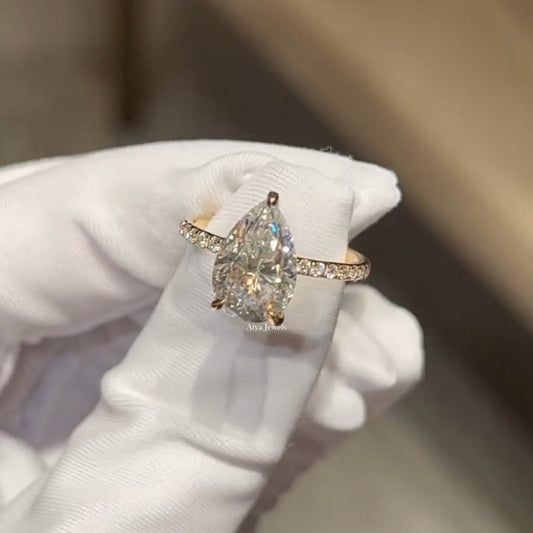
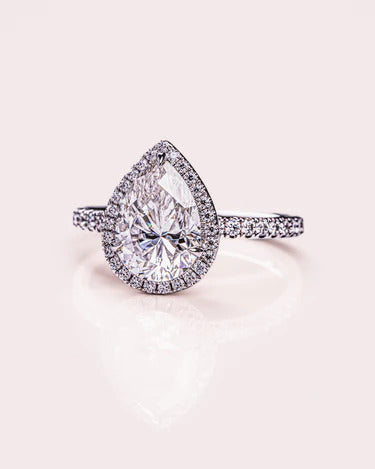
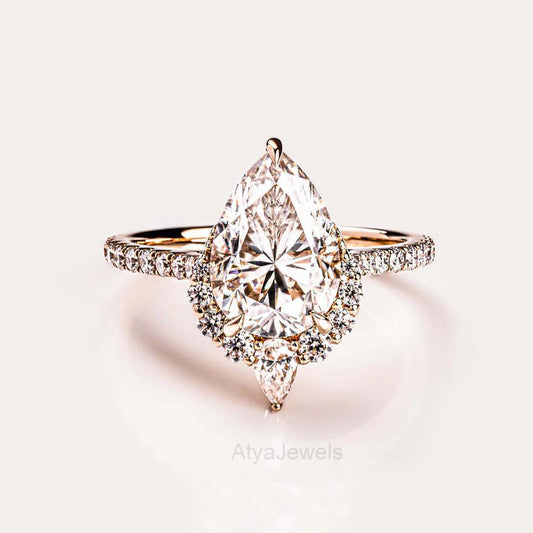
In 2026, pear-shaped diamonds are making a stunning resurgence, combining the brilliance of a round cut with the elegant elongation of a marquise to form a teardrop-shaped gem that exudes both romance and sophistication. The shape delivers three key advantages:
-
Visual Impact: Pear-shaped diamonds often appear larger than other cuts of similar carat weight, making them highly attractive for buyers seeking maximum visual impact.
-
Finger Flattery: Many buyers wear pear-shaped diamonds with the pointed end facing outward to create a slimming-finger effect.
-
Design Versatility: They look stunning in solitaire settings, hidden halo designs, and vintage-inspired rings.
Pear-shaped engagement rings are growing rapidly because they combine elegance with dramatic visual appeal. The teardrop shape creates a unique appearance that stands out compared to traditional round diamonds.
Lab-Grown vs. Moissanite vs. Natural Diamonds: Which Pear Cut Wins
The material choice dramatically affects price, durability, and environmental impact. Here's how each performs in pear-shaped settings:
|
Material
|
Price vs. Natural
|
Durability (Mohs)
|
Sparkle Profile
|
Best For
|
|
Lab-Grown Diamond
|
70-85% less
|
10 (identical)
|
Subtle, classic
|
Budget-conscious buyers want diamond authenticity
|
|
Moissanite
|
80-90% less
|
9.25
|
High fire, rainbow sparkle
|
Maximum brilliance on tight budgets
|
|
Natural Diamond
|
100% baseline
|
10
|
Subtle, timeless
|
Traditional preference, investment value
|
Lab-grown diamond engagement rings are gaining attention because buyers want affordability, sustainability, and premium quality together. Modern lab-grown diamonds look identical to natural diamonds while offering larger carat sizes at lower prices. Many couples now choose these diamonds because they provide better value without sacrificing beauty, brilliance, or durability for everyday wear.
In 2026, couples are choosing lab-created diamonds for their trilogy diamond engagement rings. In terms of appearance, lab-created diamonds and natural diamonds cannot be differentiated. This enables consumers to purchase higher clarity or larger carat weight diamonds while still enjoying the elegant look of a pear-shaped trilogy design.
At Atyajewels, you can customize pear-shaped rings with lab-grown diamonds or moissanite, allowing you to maximize carat weight and clarity within your budget.
Setting Styles That Elevate Pear-Shaped Diamonds in 2026
The setting transforms how your pear diamond performs. Modern couples prioritize designs that enhance sparkle while maintaining wearability.
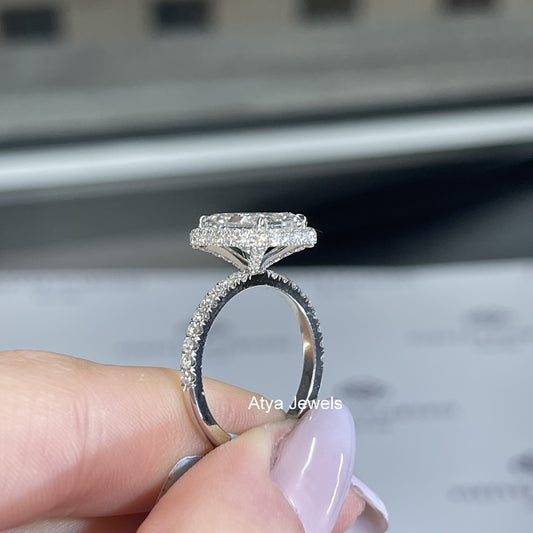
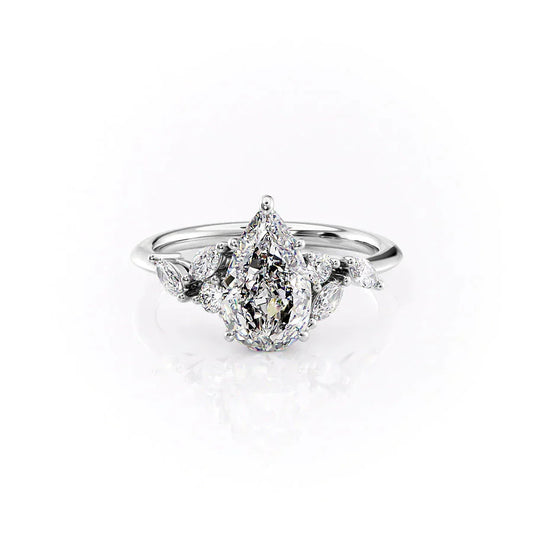
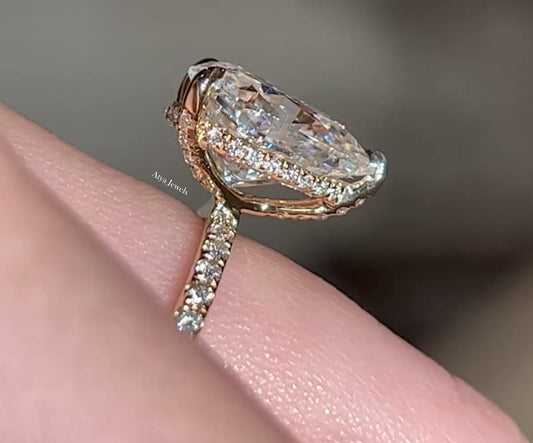
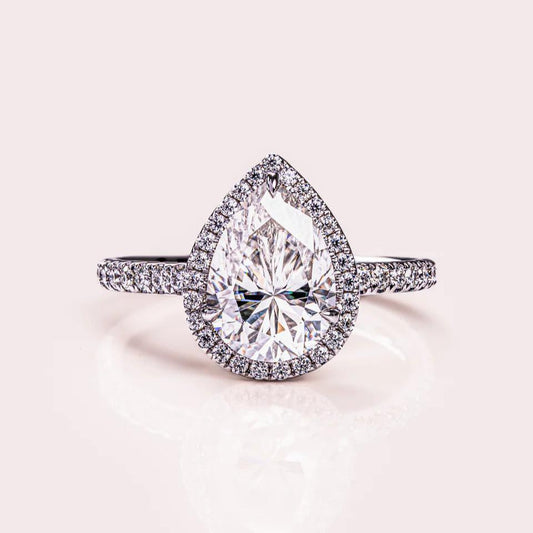
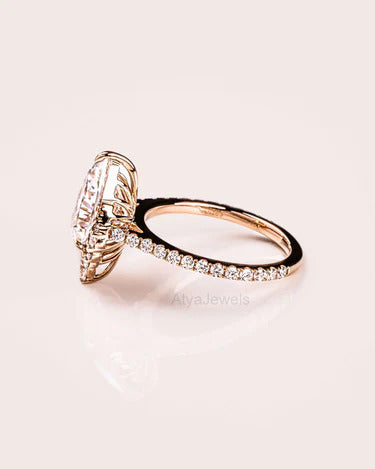
Halo Settings: Couples also love hidden halo settings because they work with nearly every diamond shape. Oval, cushion, pear, and round diamonds all benefit from this design trend. In addition, hidden halos allow buyers to maximize brilliance without increasing the centre stone size dramatically. As more couples search for sophisticated engagement rings with extra sparkle, hidden halo designs continue becoming one of the strongest engagement ring trends in 2026.
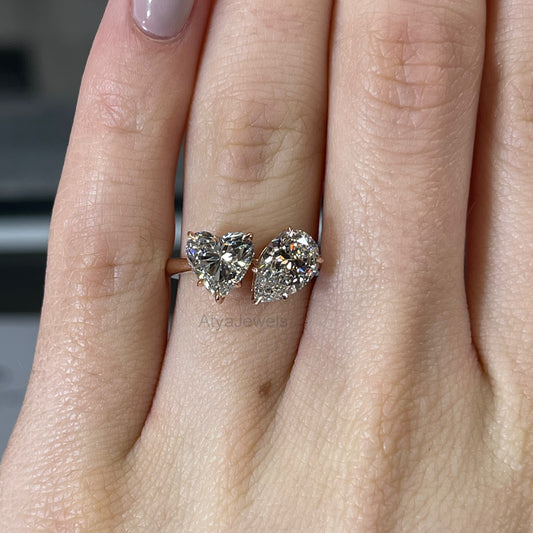
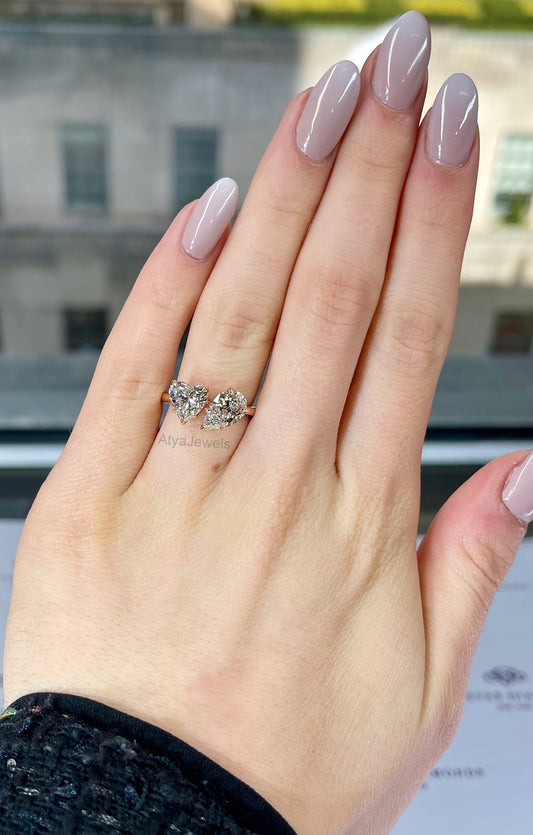
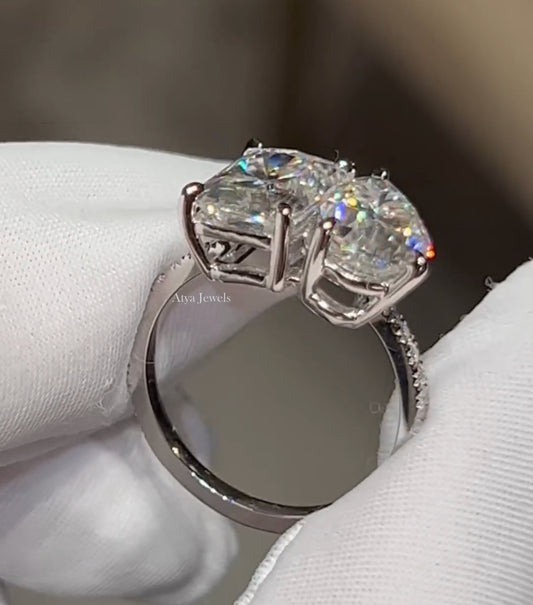
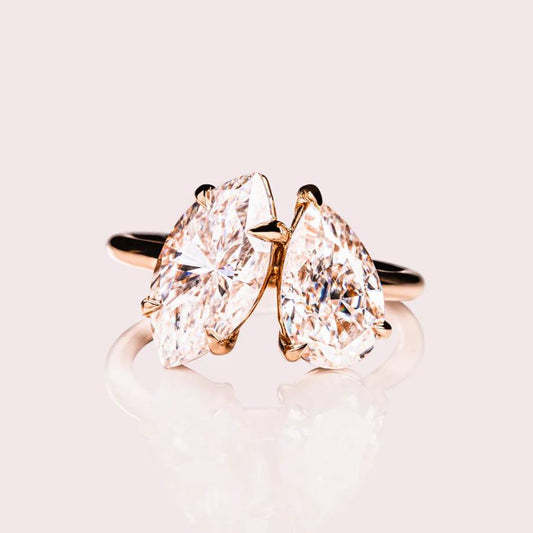
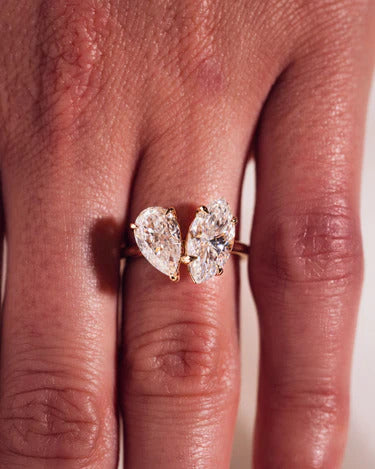
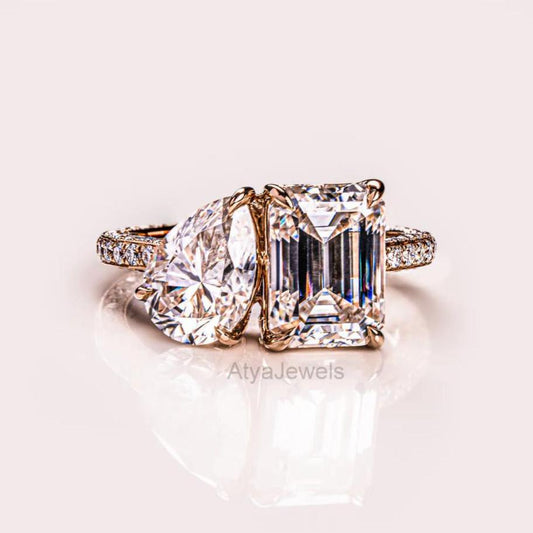
East-West Orientation: East-west engagement ring settings are becoming highly fashionable because they offer a fresh interpretation of traditional diamond placement. Instead of positioning the diamond vertically, the stone is placed horizontally across the band. This creates a modern and sophisticated appearance that immediately stands out while maintaining timeless elegance and wearability. Oval, emerald, marquise, and pear-shaped diamonds work especially well in east-west settings.
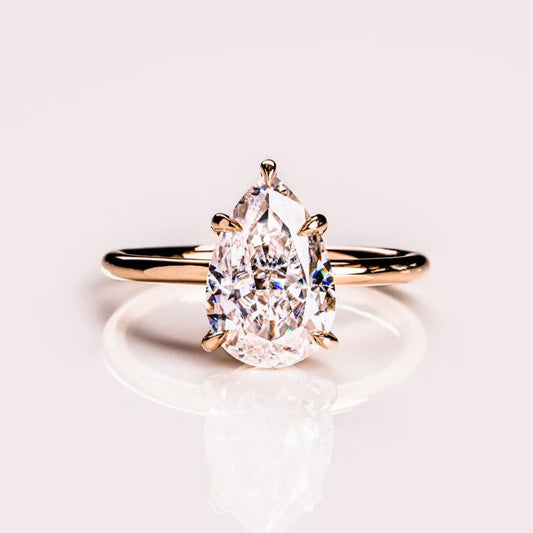
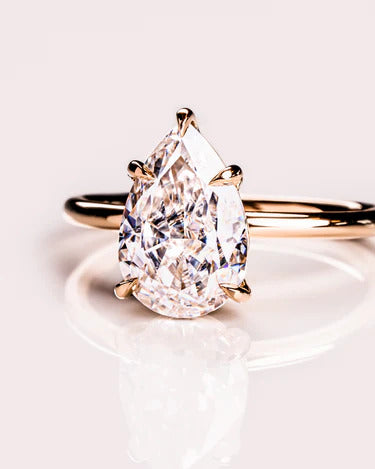
Minimalist Solitaire: Minimalist engagement rings remain highly popular because many couples now prefer clean and timeless designs over overly elaborate settings. Thin bands, solitaire diamonds, and sleek structures create elegant rings suitable for everyday wear. These designs focus attention directly on the centre stone while maintaining a refined and sophisticated appearance that appeals to modern buyers.
When browsing Wedding Bands to pair with your pear engagement ring, ensure the band contours to fit flush without gaps.
Customization: Building Your Perfect Pear-Shaped Ring
Customization is no longer a luxury—it's the standard expectation in 2026. Customization also gives buyers greater flexibility with budgets and design elements. They can choose specific diamond shapes, band styles, metals, and setting details according to their priorities. As technology advances, jewellery design processes have become easier and more accessible than before, making it easier to create custom engagement rings. This growing demand for individuality continues to make custom engagement rings one of the strongest luxury jewellery trends in 2026.
When customizing your pear-shaped ring, evaluate these decisions in order:
-
Stone Material: Lab-grown diamond, moissanite, or natural diamond
-
Carat Weight & Clarity: Determine your budget and prioritize size vs. colour/clarity
-
Metal Choice: White gold, yellow gold, rose gold, or platinum
-
Setting Style: Solitaire, halo, three-stone, or east-west
-
Band Width: Thin (1.5-2mm) for delicate, thick (3-4mm) for bold
-
Accent Stones: Optional side stones or hidden halo for extra sparkle
Atyajewels specializes in fully customized pear-shaped rings. You control every variable—from stone type to metal finish—ensuring your ring reflects your values and aesthetic. Explore Bridal set wedding rings to see how engagement and wedding bands coordinate seamlessly.
Pricing Breakdown: What You Actually Pay for Pear-Shaped Rings in 2026
Price varies dramatically based on material and specifications. Here's a realistic pricing framework:
|
Ring Type
|
Typical Price Range
|
Key Variables
|
|
Lab-Grown Pear (1.5ct, VS1, 14K gold)
|
$1,200–$2,000
|
Carat weight, colour, clarity, metal
|
|
Moissanite Pear (2.0ct equivalent, 14K gold)
|
$800–$1,400
|
Size, brand, and setting complexity
|
|
Natural Diamond Pear (1.5ct, VS1, 14K gold)
|
$6,000–$12,000+
|
Carat, colour, clarity, certification
|
|
Custom Halo Pear (lab-grown, 1.5ct centre)
|
$2,500–$4,500
|
Accent stone count, metal type
|
The biggest price driver is material choice. A 1.5-carat lab-grown pear diamond costs 70–85% less than an equivalent natural diamond while delivering identical optical properties and durability.
Budget allocation strategy: If you have $3,000 to spend, you can either buy a 0.8-carat natural diamond or a 1.5-carat lab-grown diamond with superior clarity. Most couples choose the latter for maximum visual impact and value.
Atyajewels offers transparent pricing with no hidden fees. You see exactly what you're paying for each component—stone, setting, metal, and customization—before committing.
Durability, Daily Wear, and Long-Term Care for Pear-Shaped Rings
The pear shape presents one unique consideration: the pointed tip is slightly more vulnerable to chipping than rounded cuts. However, this risk is minimal with proper care and setting design.
Durability Comparison:
-
Lab-Grown Diamonds: Mohs hardness 10 (identical to natural diamonds). Suitable for daily wear with standard precautions.
-
Moissanite: Mohs hardness 9.25. Extremely durable for daily wear; slightly softer than diamond but harder than all other gemstones.
-
Natural Diamonds: Mohs hardness 10. Proven durability over centuries.
All three materials withstand engagement ring wear when set properly. The key is choosing a protective setting that shields the pointed tip.
Protective Setting Choices:
- Bezel settings (metal surrounds the stone) offer maximum protection
- Halo settings add a protective ring of accent stones
- Solitaire settings with sturdy prongs work well if you avoid contact sports
Care Instructions:
- Clean weekly with warm soapy water and a soft brush
- Avoid chlorine, harsh chemicals, and extreme temperature changes
- Remove during exercise, gardening, or manual work
- Have the prongs inspected annually by a jeweller
- Store in a padded box or soft pouch when not wearing
Moissanite may accumulate slight oil residue over time, requiring occasional professional cleaning. Lab-grown and natural diamonds maintain brilliance with standard care. Diamond Earring collections at Atyajewels use the same care principles, so you can apply these guidelines across your entire jewellery wardrobe.
How to Verify Quality Before Buying Your Pear-Shaped Ring
Never purchase a pear-shaped engagement ring without verifying these specifications:
Certification Standards:
-
Lab-Grown Diamonds: Require IGI (International Gemological Institute) or GIA certification. Verify the certificate number on the lab's website.
-
Moissanite: Typically comes with a Charles & Colvard or Forever Brilliant certificate. Check for "Forever One" or equivalent premium grades.
-
Natural Diamonds: Demand GIA or AGS certification. Avoid uncertified stones regardless of seller's claims.
The 4Cs Evaluation for Pear Shapes:
-
Carat: Pear cuts appear 10–15% larger than round diamonds of the same weight due to their elongated shape. A 1.2-carat pear often looks like a 1.5-carat round.
-
Colour: For lab-grown and natural diamonds, aim for D–G colour. Moissanite shows a slight yellow tint in lower grades; choose H colour or better.
-
Clarity: VS1 or VS2 is ideal for pear shapes. Eye-clean stones (no visible inclusions) cost significantly less than VVS grades without a visual difference.
-
Cut: This is critical for pear shapes. Poor cut proportions create a "bow-tie" effect (dark shadow across the middle). Request cut grading details or ask your jeweller to inspect the stone under magnification.
Red Flags to Avoid:
- Uncertified stones or vague "lab reports"
- Sellers who can't explain the 4Cs clearly
- Prices significantly below market (often indicates lower quality or misrepresentation)
- No return or inspection period
Atyajewels provides full certification for all lab-grown and moissanite stones. Every custom ring includes detailed specifications and a certificate you can verify independently. Request high-resolution photos and videos of your stone before finalizing your order.
Frequently Asked Questions
Q1. Is a pear-shaped diamond good for an engagement ring?
Yes—pear shapes rank third in 2026 trends, offering dramatic visual appeal, finger-flattering proportions, and excellent value, especially in lab-grown and moissanite options.
Q2. How much does a pear-shaped engagement ring cost?
Lab-grown pear rings typically cost $1,200–$2,000 for 1.5 carats; moissanite costs $800–$1,400; natural diamonds cost $6,000–$12,000+, depending on specifications.
Q3. What's the difference between lab-grown and moissanite pear rings?
Lab-grown diamonds are chemically identical to natural diamonds with subtle sparkle; moissanite is a different material with higher fire and rainbow sparkle, costing 10–15% less.
Q4. Can I customize a pear-shaped ring?
Yes—customization is standard in 2026; you control stone type, carat weight, metal, setting style, and accent stones to match your budget and aesthetic.
Q5. Is moissanite durable for daily wear?
Yes—moissanite ranks 9.25 on the Mohs hardness scale, making it extremely durable for daily engagement ring wear.
Q6. What setting protects a pear-shaped diamond best?
Bezel settings offer maximum protection for the pointed tip; halo and solitaire settings with sturdy prongs also work well with proper care.