Moissanite vs Lab Grown Diamond: Why the 2026 Market Has Fundamentally Changed
The engagement ring market has shifted dramatically. Lab-grown diamond prices have dropped 50–70% since 2021, collapsing the price gap that once made moissanite the obvious budget choice. In 2026, the decision between moissanite and lab-grown diamonds is no longer about affordability alone—it's about understanding what you're actually buying, how it will look, and what happens when you want to upgrade or resell.
The Chemical Reality: What You're Actually Comparing
Lab-grown diamonds are chemically, physically, and optically identical to mined diamonds, while moissanite is silicon carbide; a lab diamond is 100% carbon. This fundamental difference shapes everything else.
Lab-grown diamonds are made of carbon atoms bonded tightly together, sharing nearly identical chemical, optical, and physical properties with natural diamonds, and they form in controlled environments that replicate the high-pressure, high-temperature conditions found deep underground. Moissanite is composed of silicon carbide, a material distinct from diamond at the atomic level, and was first discovered in a meteor crater in Arizona by French scientist Henri Moissan in 1893.
The production methods differ significantly:
-
Lab-grown diamonds use HPHT (High Pressure, High Temperature) or CVD (Chemical Vapour Deposition) to grow pure carbon crystals
-
Moissanite is created through thermal decomposition of silicon carbide gas in laboratory settings
A gemologist cannot distinguish a lab-grown diamond from a mined diamond without specialized testing. Moissanite, by contrast, has distinct optical properties that trained jewellers can identify.
The Sparkle Difference: Fire vs. Brilliance
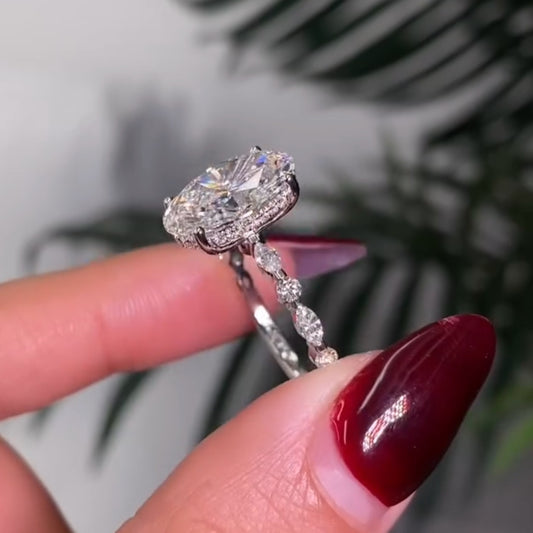
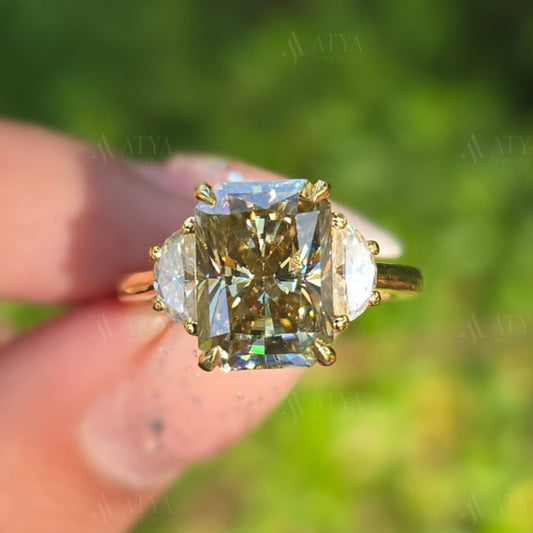
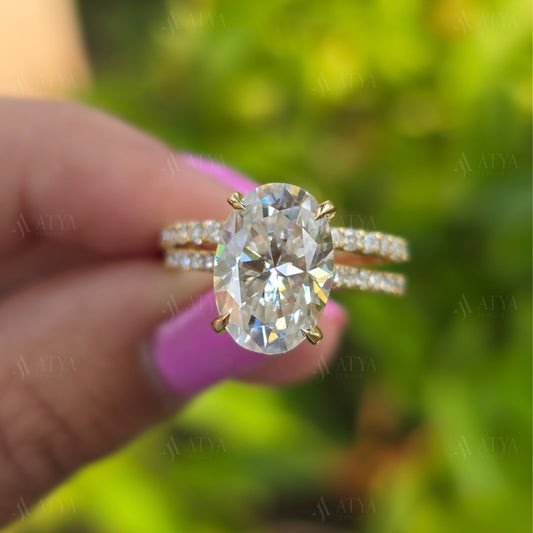
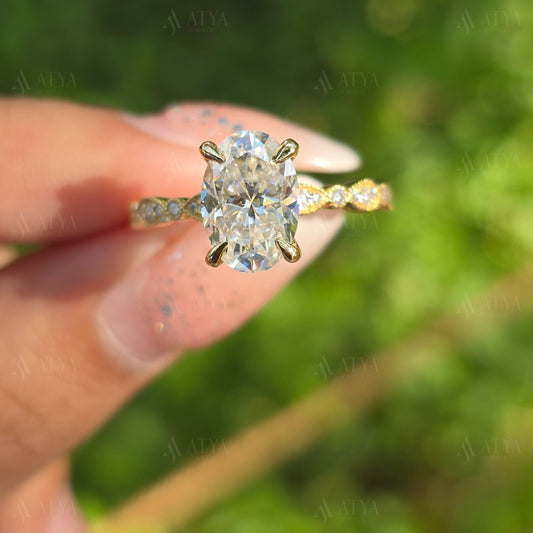
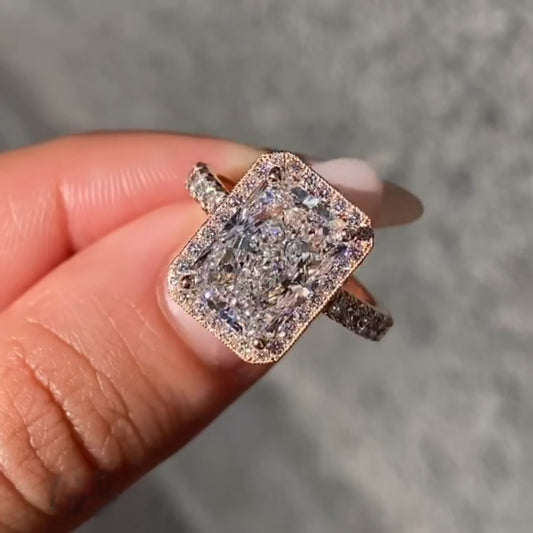
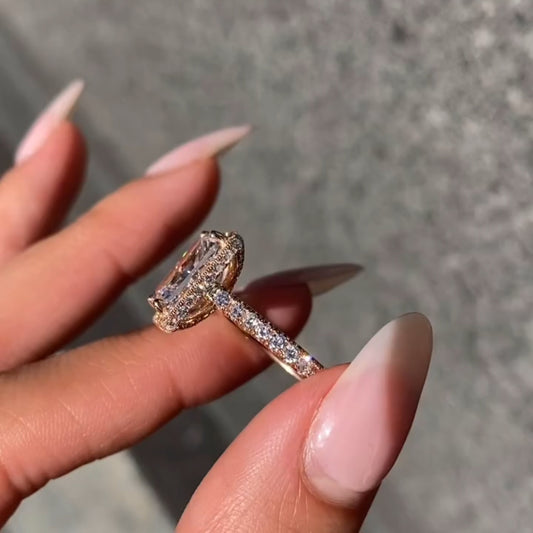
This is where the stones diverge most visibly. The visual difference comes down to refractive index—how much light bends when it enters the stone. Lab-grown diamonds have a refractive index of 2.42, identical to that of natural diamonds, while moissanite clocks in at 2.65-2.69, meaning moissanite bends light more dramatically.
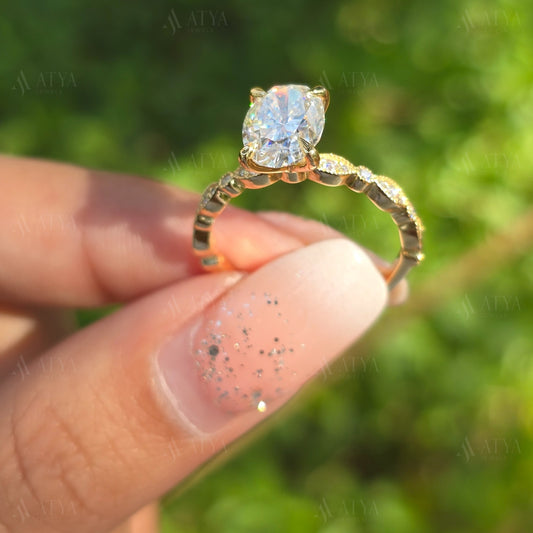
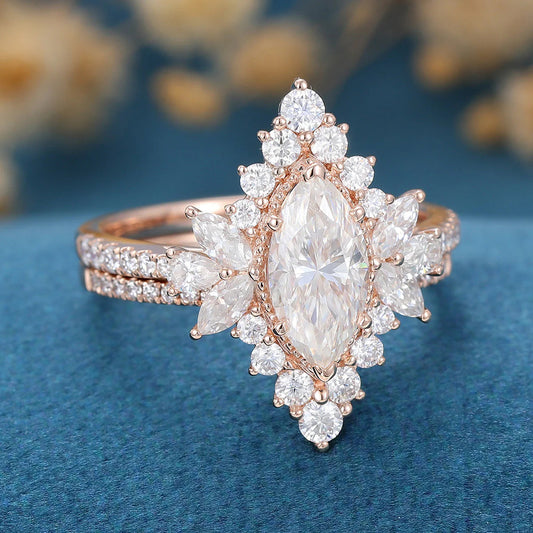
What does this mean in practice? Lab diamonds give you balanced brilliance with subtle, primarily white light reflections—classic diamond sparkle. Moissanite takes a different approach entirely, with a dispersion value of 0.104 (compared to diamond's 0.044), producing approximately 2.5 times more "fire"—those rainbow-colored flashes.
|
Property
|
Lab-Grown Diamond
|
Moissanite
|
|
Refractive Index
|
2.42
|
2.65–2.69
|
|
Dispersion (Fire)
|
0.044
|
0.104
|
|
Light Character
|
White, subtle brilliance
|
Rainbow flashes, high sparkle
|
|
Visual Match to Natural Diamond
|
Nearly identical
|
Noticeably different
|
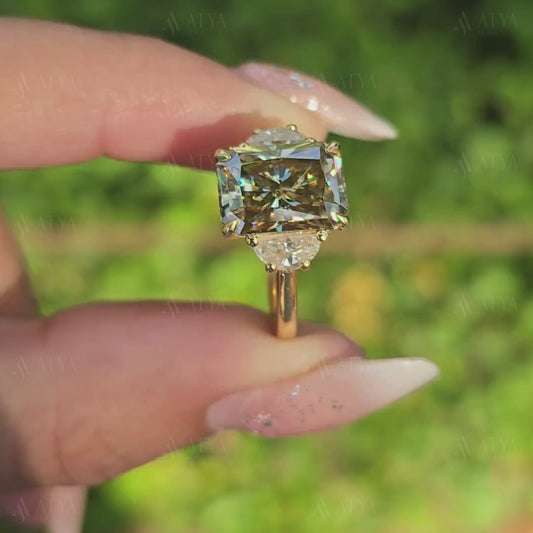
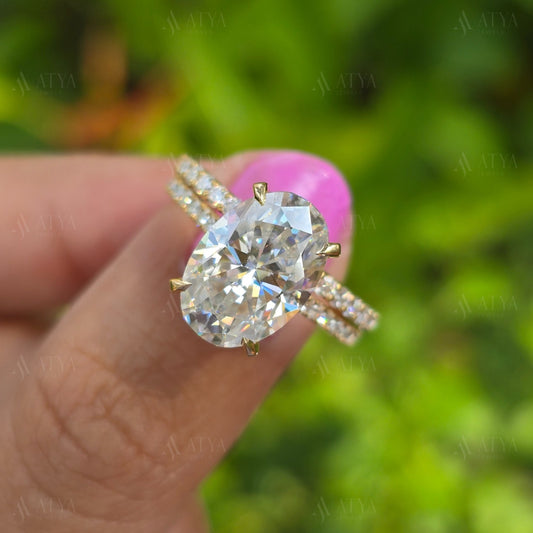
Moissanite produces more light output overall, with its higher refractive index meaning more white light return, and in direct sunlight or under spotlights, moissanite throws vivid rainbow flashes that lab diamonds cannot match. This isn't a flaw—it's a choice. Some buyers love the bold sparkle; others prefer the understated elegance of diamond-like brilliance.
Durability & Hardness: The Practical Difference
Lab diamonds' perfect 10 hardness rating may save you money on repairs compared to moissanite's 9.25 rating over decades of wear. Both stones are extremely durable for everyday wear, but the gap matters for long-term maintenance.
In practice, this translates to:
-
Lab-grown diamonds resist scratching at the highest level on the Mohs scale
-
Moissanite resists scratching at 9.25, still harder than any metal used in jewellery settings
- Both outperform sapphires (9.0) and all other gemstones except diamond
For most wearers, moissanite's durability is more than sufficient for a lifetime of daily wear. The difference becomes relevant only after decades of heavy use or if you're comparing long-term maintenance costs. With a hardness rating of 9.25 on the Mohs scale, moissanite is the second-hardest gemstone used in jewellery.
Both stones require standard jewellery care: regular cleaning, occasional professional polishing, and protective storage. Neither requires special handling beyond what you'd do with any fine jewellery.
The 2026 Price Collapse: Why the Market Has Shifted
Lab-grown diamond prices have dropped 50–70% since 2021, and the gap between moissanite and lab-grown diamonds is smaller than ever. This market shift has profound implications for your decision.
Current 2026 pricing for 1-carat stones:
- Moissanite ranges from $300-800, while lab-grown diamonds generally cost $800-3,000
- A high-quality 2-carat lab diamond costs under $3,000, while a 2-carat moissanite would cost roughly $800-$1,000
In March 2026, Charles & Colvard—the original creator and largest manufacturer of gem-quality moissanite—filed for Chapter 11 bankruptcy, with the company's revenue dropping from $43 million in 2022 to just $16 million in 2025, and according to the company's own court filings, falling lab-grown diamond prices made moissanite harder to sell.
The practical takeaway: When lab-grown diamonds cost 5× more than moissanite, the value proposition was clear. Now that the gap has shrunk to 2×, many buyers who would have chosen moissanite are choosing lab-grown diamonds instead.
For larger stones, the price advantage of moissanite remains significant. A two or three-carat moissanite might cost just $700-1,300, whereas comparable lab diamonds range from $1,800-3,500+.
Certification, Grading & Market Recognition
Lab-grown diamonds are certified—IGI/GIA graded, so you know exactly what you're getting. This certification carries weight in the jewellery market and affects resale potential.
The 4Cs were developed by the GIA specifically for diamonds. Since moissanite is a different gemstone (being that it doesn't have the same physical and chemical properties as diamond), it isn't graded under the same universal system, and it does not have a strict, globally recognized grading system like diamond.
What this means for your purchase:
-
Lab-grown diamonds come with GIA or IGI reports detailing cut, colour, clarity, and carat weight
-
Moissanite is certified by manufacturers (Charles & Colvard, Forever Brilliant, etc.), but uses simpler quality metrics
- Lab diamonds can be compared across retailers using standardized grading
- Moissanite quality varies more by brand and manufacturer
Never purchase a lab diamond without an IGI Diamond Certification or a GIA lab report. For moissanite, verify the manufacturer's certification and request detailed specifications on colour grade and cut quality. When shopping for engagement rings, always ask for certification documentation regardless of stone type.
Resale Value & Long-Term Investment Reality
This is where the two stones diverge most sharply. Moissanite has very limited resale value. It's not a diamond, it's not graded by major gemological labs in the same way, and the secondary market is thin. Most jewellers won't buy back moissanite, and there's no meaningful upgrade path.
Lab-grown diamonds typically retain 20-40% of their purchase value. Moissanite? Minimal resale value. However, lab-grown diamond prices have dropped 40–60% since 2020 as production has scaled massively, and a $2,000 lab diamond purchased in 2022 might sell for $600–$800 secondhand today, with that trajectory likely to continue.
The honest assessment: If you choose moissanite, understand that the market for these stones is contracting, which may affect availability, variety, and resale options in the future. Neither stone should be purchased as an investment. Jewellery should be considered primarily for aesthetic and sentimental value, rather than investment.
For buyers who might want to upgrade or trade in their stone later, lab-grown diamonds offer more flexibility. For those buying a piece to wear forever, resale value is irrelevant—choose based on aesthetics and durability.
Making Your Decision: Which Stone Is Right for You?
The choice between moissanite and lab-grown diamond depends on what you're optimizing for. Here's the decision framework:
Choose moissanite if:
- You want maximum sparkle and bold, visible fire
- You're buying a larger stone (2+ carats) and want to maximize size within your budget
- You prioritize affordability above all other factors
- You love the distinctive visual character of moissanite and aren't trying to replicate a diamond
- You're buying a statement piece rather than a traditional engagement ring
Choose a lab-grown diamond if:
- You want a real diamond—with all the tradition, symbolism, and recognition that comes with it, you want certified—IGI/GIA graded stones, the price gap has nearly closed—a few hundred dollars more gets you an actual diamond, and you want stones that hold their value—upgradeable and tradeable (in some cases), unlike moissanite.
- You prefer the subtle, classic brilliance of diamond-like sparkle
- You might want to upgrade or trade in your stone later
- You value professional certification and standardized grading
- You want a stone that's chemically identical to natural diamonds
Lab-grown diamonds are the right choice for couples who want a real diamond without the natural-diamond price tag, savvy shoppers who want IGI/GIA certification and grading reports, anyone who values resale or upgrade options, ethical buyers who want to avoid mining, and anyone shopping in the 1–2 carat range, where the price premium over moissanite is modest and well worth it.
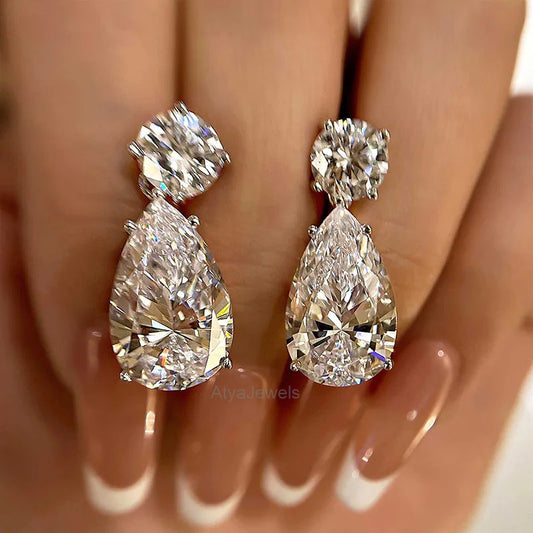
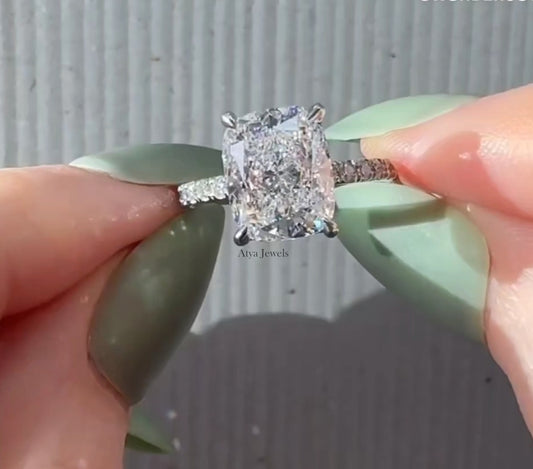
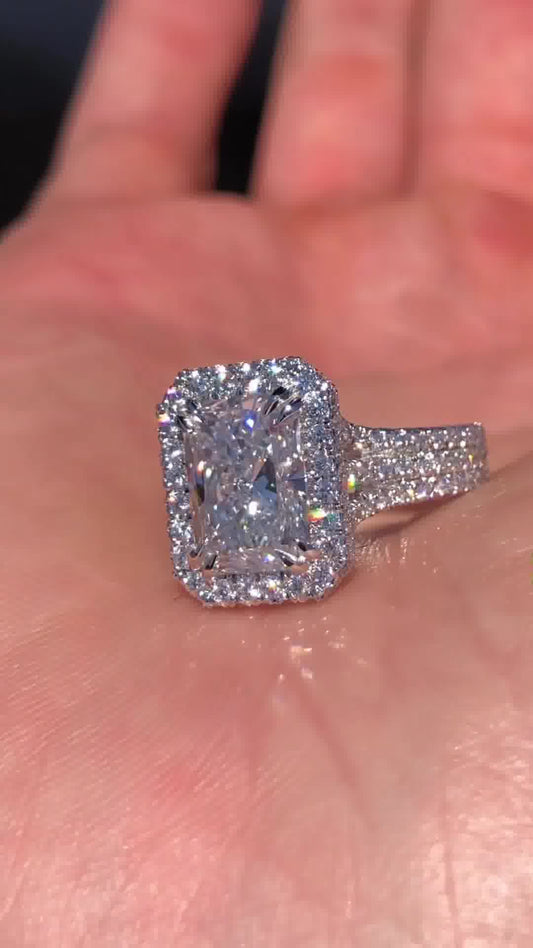
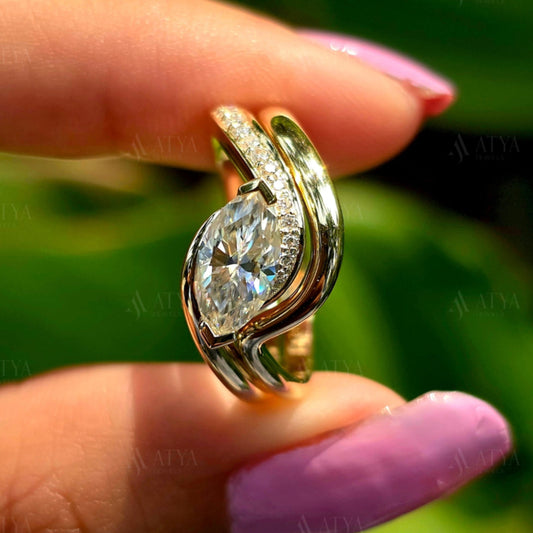
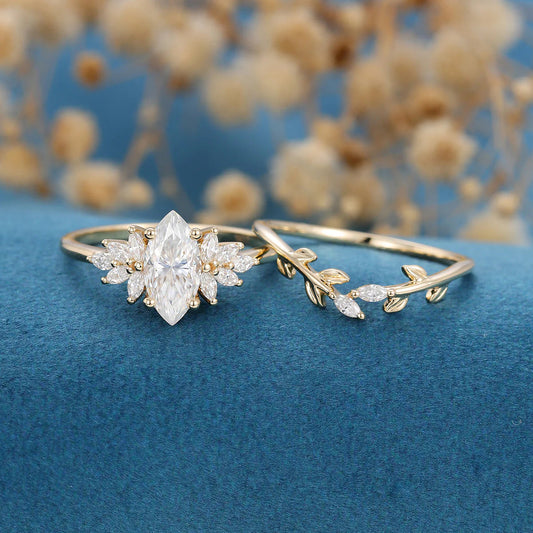
Visit Atyajewels to explore customized options in both moissanite and lab-grown diamonds, with expert guidance on which stone matches your priorities. Browse Wedding Bands and Bridal set wedding rings to see how each stone type looks in complete settings. For those interested in complementary pieces, Diamond Earring collections showcase both stone types in different jewellery styles.
Frequently Asked Questions
Q1. Can a jeweller tell the difference between a moissanite and a lab-grown diamond?
Yes—a trained gemologist can identify moissanite using specialized testing equipment that measures refractive index and thermal conductivity, though the stones look similar to the untrained eye.
Q2. Is moissanite a fake diamond?
No—moissanite is a legitimate gemstone made of silicon carbide, not a diamond simulant intended to deceive; it's a different stone with its own distinct properties and beauty.
Q3. Will moissanite turn yellow over time?
Modern moissanite (Forever Brilliant or newer production) remains colourless, though older "classic" moissanite can develop a slight yellow or greenish tint with age.
Q4. Can you resize a moissanite ring?
Yes—moissanite rings can be resized just like any other jewellery, though you should work with a jeweller experienced in handling moissanite to avoid thermal shock.
Q5. Which stone is better for an engagement ring?
Lab-grown diamonds offer better certification, resale potential, and diamond-like aesthetics, while moissanite offers superior sparkle and lower cost—the choice depends on your priorities.