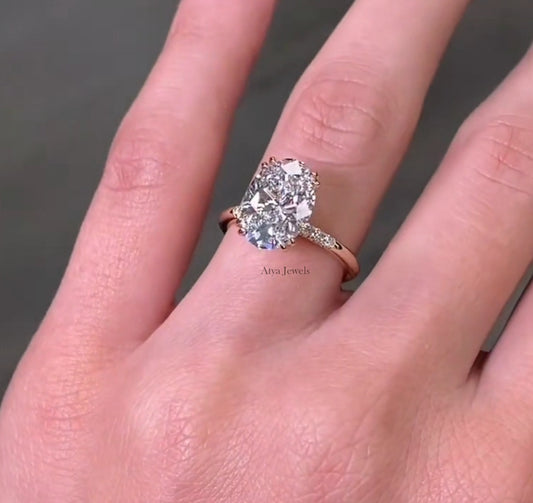
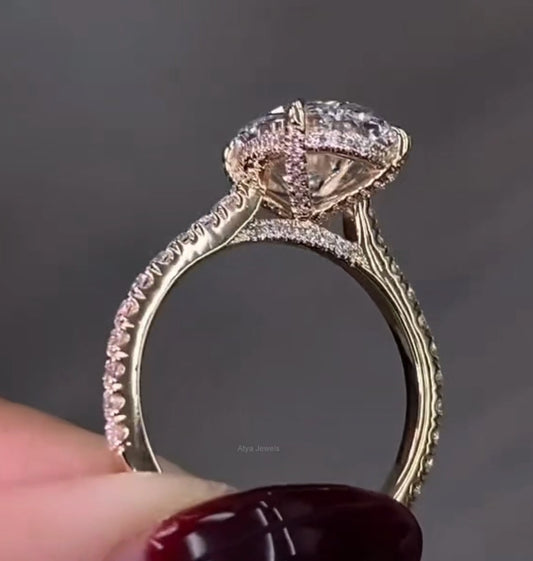
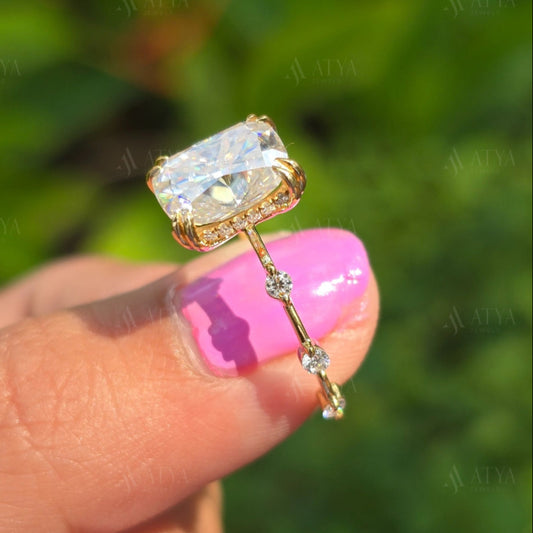
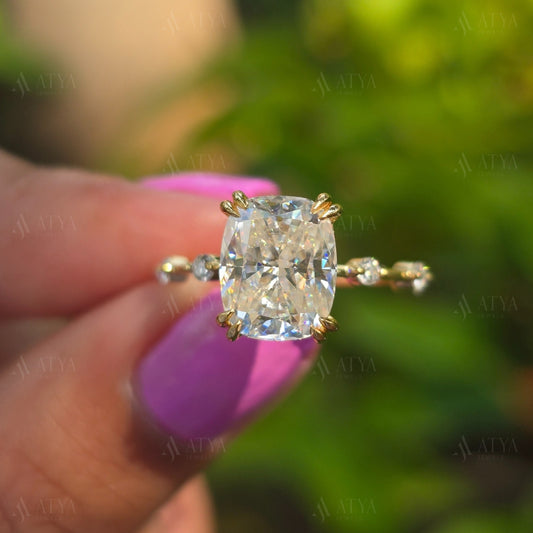
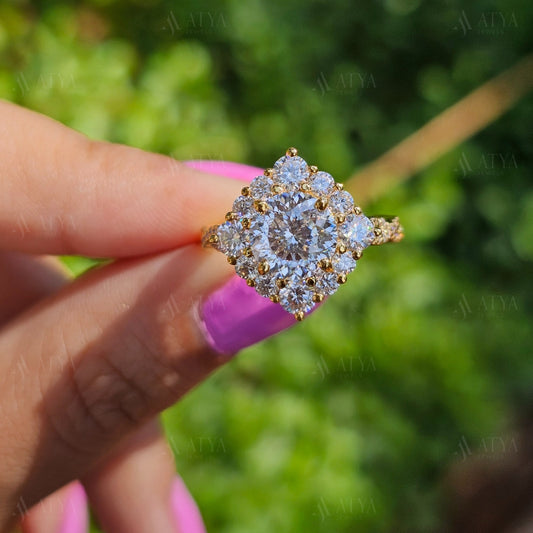
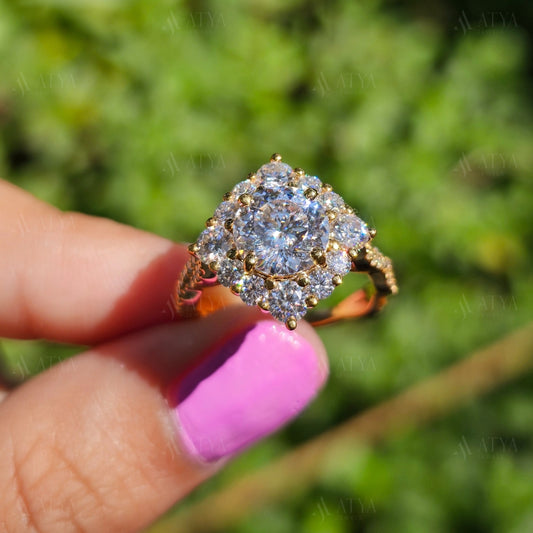
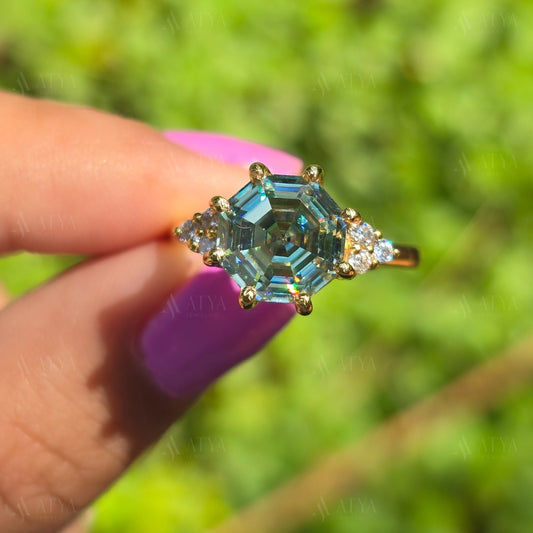
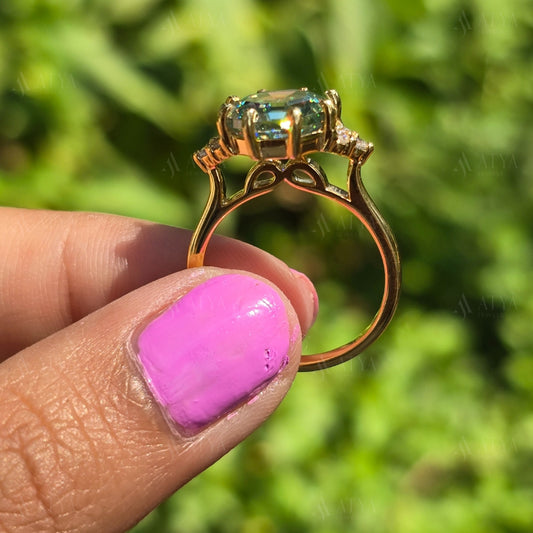
Gold Engagement Rings: A Field Guide to Yellow, White, and Rose
Platinum gets the prestige headlines, but gold remains the metal most engagement rings are actually made of, and for good reasons: it is warmer, lighter on the hand, easier to resize, and kinder to most budgets. Yet "gold" is really three colours and several purities, each with distinct strengths. This field guide examines each variety the way a naturalist would: appearance, behaviour, ideal habitat, and an honest verdict.
First, What Does Karat Actually Mean?
Pure gold is 24 karat, and it is too soft for daily jewellery; a fingernail can mark it. Engagement rings, therefore, use gold alloyed with stronger metals, and karat tells you the ratio:
- 18k gold: 75 per cent pure gold. Richer color, higher price, slightly softer
- 14k gold: 58.3 per cent pure gold. Hard-wearing, moderately priced, the most popular US choice
- 10k gold: 41.7 per cent pure gold. Most durable and affordable, palest colour, legally the US minimum to be called gold
The alloy metals mixed in, such as copper, silver, zinc, and palladium, are exactly what create the three colors that follow. For a ring worn every single day for decades, 14k is the pragmatic sweet spot; 18k rewards those who prioritize color depth and don't mind gentler treatment.
Yellow Gold: The Original
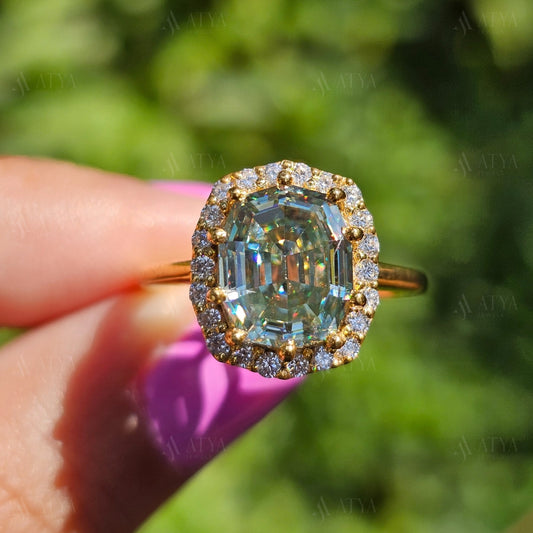
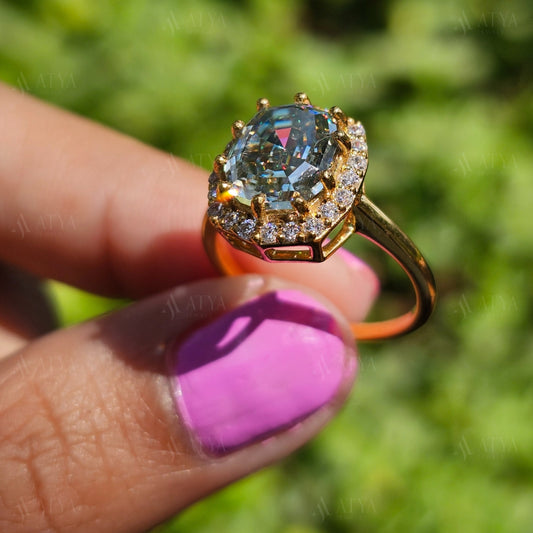
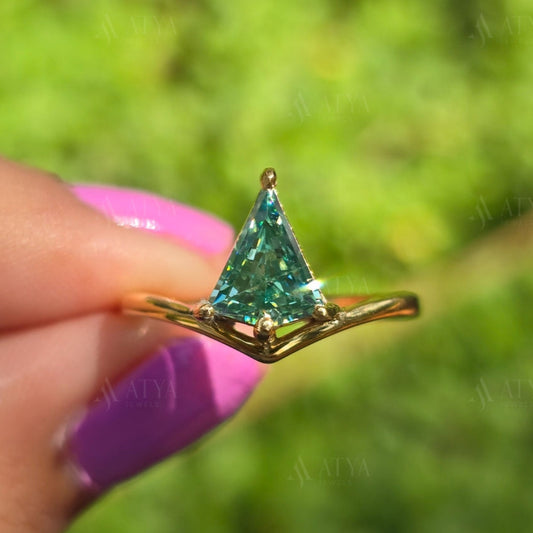
Appearance: the warm, sun-toned classic. Gold, as every civilization has pictured it for 6,000 years.
Behaviour: yellow gold never needs replating, ages into a soft patina that polishes back easily, and hides small scratches better than white metals. It is also the most forgiving metal choice for diamonds with faint warmth; a G to J color stone reads whiter by contrast against a yellow setting, a genuine budget advantage.
Ideal habitat: warm and olive skin tones, vintage and heirloom-inspired designs, and buyers who want their ring to look unmistakably like gold. Its popularity has surged again since about 2019 after two decades of white metal dominance.
Verdict: the lowest-maintenance gold, with a built-in trick for stretching your diamond budget. Browsing yellow gold settings within a broader collection of engagement rings side by side with white options makes the contrast effect obvious within minutes.
White Gold: The Modern Favourite
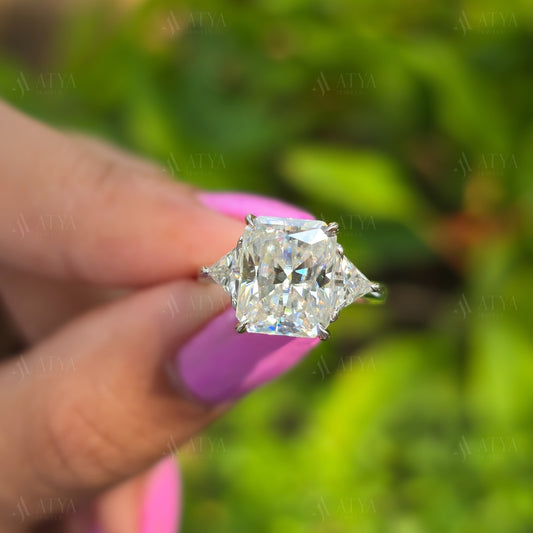
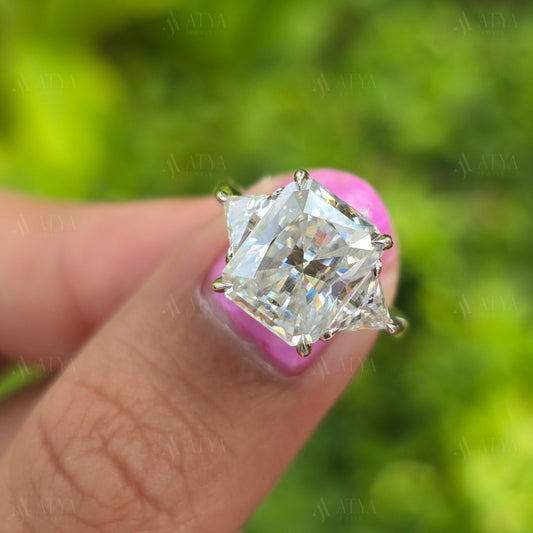
Appearance: bright and silvery, visually close to platinum at a substantially lower price.
Behaviour: Here is the honest part, most buyers learn too late. White gold is yellow gold alloyed with white metals, then plated with rhodium, a bright platinum-group metal. That rhodium layer wears thin over time, revealing a faintly warm tone beneath, so white gold rings typically need replating every one to three years at modest cost. Skin chemistry and lifestyle determine the interval.
Ideal habitat: cool and pink skin tones, contemporary designs, and buyers pairing icy, high-colour diamonds where a white frame keeps everything seamless. It also matches most existing white-metal jewellery collections, which is why coordinated wedding bands are most often ordered in white gold to sit beside white gold engagement rings.
Verdict: the platinum looks at gold prices, provided you accept a small recurring maintenance ritual.
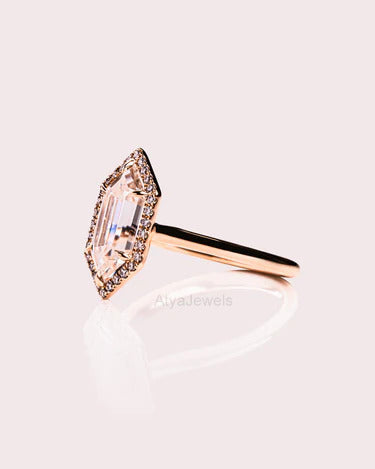
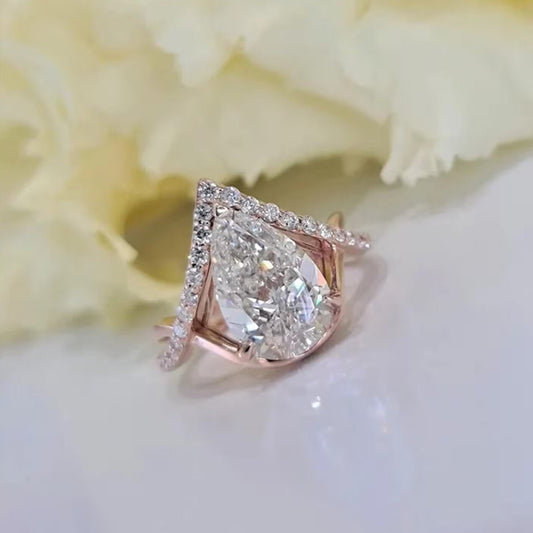
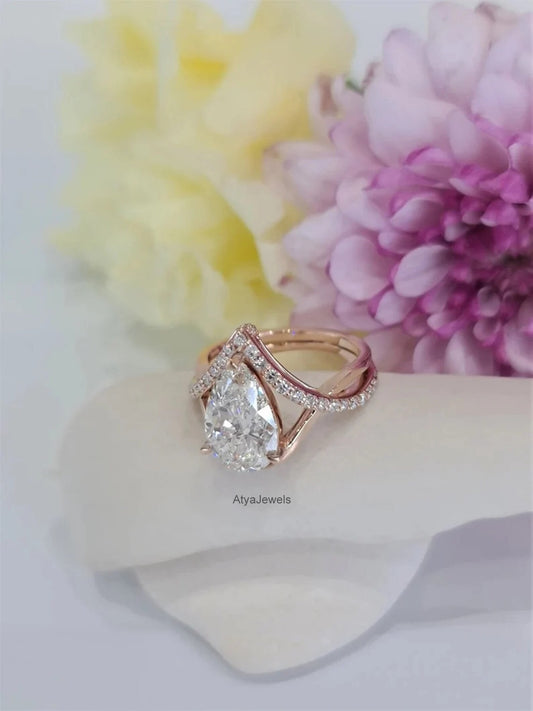
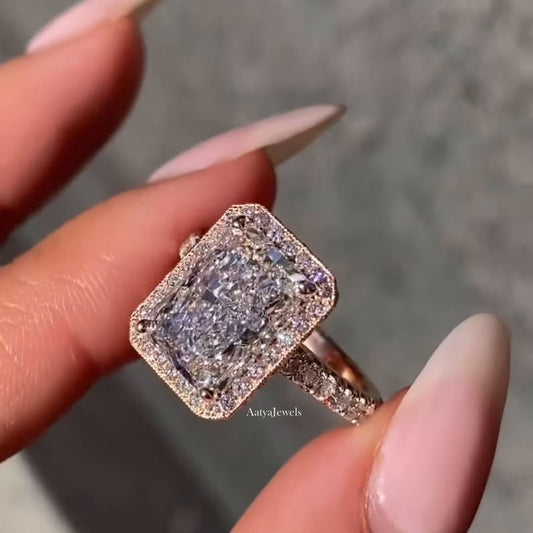
Rose Gold: The Romantic
Appearance: blush pink, created by raising the copper content of the alloy. The higher the copper, the deeper the pink.
Behaviour: copper makes rose gold the most durable of the three colors, and like yellow gold, it needs no plating, ever. Its color deepens very slightly with age, which most owners consider a feature. One caution: copper-rich alloys occasionally trouble those with copper sensitivities, so sensitive-skinned buyers should test wear first.
Ideal habitat: nearly all skin tones, vintage and modern designs alike, and buyers who want distinctiveness without extravagance. Rose gold rose sharply through the 2010s and has settled into a permanent third place rather than fading as predicted.
Verdict: the durability champion of the gold family and the most distinctive on the hand.
Which Gold Suits Which Stone and Setting?
A few pairings the trade relies on:
- Lab-grown or mined diamonds of high color (D to F): white gold keeps them icy
- Near-colourless diamonds (G to J): yellow or rose gold masks warmth and saves money
- Two-tone settings: white prongs on a yellow or rose band give a white frame for the stone, plus warm metal on the hand, a clever compromise
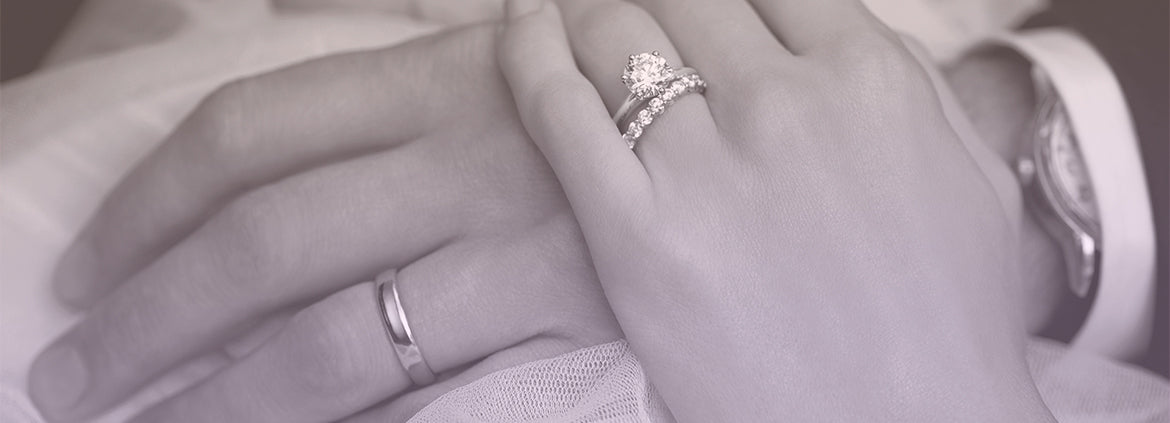
- Matching sets: whatever color you choose, carry it through the whole stack. Coordinated bridal set wedding rings exist precisely so metal tones and band profiles match perfectly from proposal through ceremony
Custom workshops, including Atya Jewels, can also mix karats and colors within one design, such as an 18k yellow band with 14k white prongs, tuning both color and durability where each matters most.
How Do You Care for a Gold Engagement Ring?
Regardless of color, the routine is short:
- Clean fortnightly with warm water, mild soap, and a soft brush
- Remove for pools and hot tubs, since chlorine attacks gold alloys over time
- Remove for the gym; gold bends before it breaks, and barbells find prongs
- Store separately from diamond pieces, because diamonds scratch gold effortlessly, a fact worth remembering if your jewellery box also holds diamond earrings or tennis bracelets
- White gold only: budget for rhodium replating every couple of years
Follow that list, and a 14k or 18k ring will comfortably outlive its warranty, its giver's memory of the price, and quite possibly its century.
The Field Guide Summary
Yellow gold for warmth, tradition, and diamond-colour forgiveness. White gold for icy modernity with light upkeep. Rose gold for durability and distinctiveness. There is no wrong species in this family, only a wrong match for the hand that wears it, so decide by skin tone, maintenance appetite, and the color metal already living in her jewellery box.
Gold Engagement Ring FAQs
Q1. Which karat is right for an engagement ring?
14k balances durability and color for daily wear; 18k offers richer color with slightly softer metal.
Q2. Does white gold turn yellow?
Its rhodium plating wears thin over one to three years, revealing warmth beneath. Replating restores it fully.
Q3. Is rose gold more durable than yellow gold?
Yes, slightly. Its copper content makes it the toughest of the three gold colors.
Q4. Which gold color makes diamonds look whitest?
White gold. But yellow and rose settings make near-colorless diamonds appear whiter by contrast.
Q5. Is gold better than platinum for engagement rings?
Neither is better universally. Gold is lighter, cheaper, and easier to resize; platinum is denser and develops patina instead of wearing away.
Q6. Can I mix gold colors in one ring?
Yes. Two-tone designs, such as white prongs on a yellow band, are a classic and practical combination.