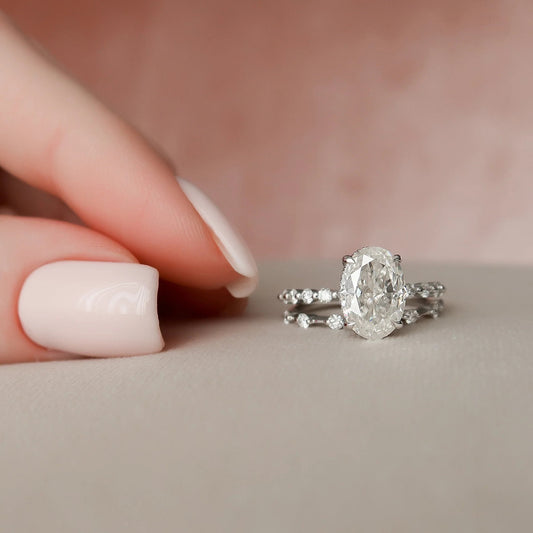
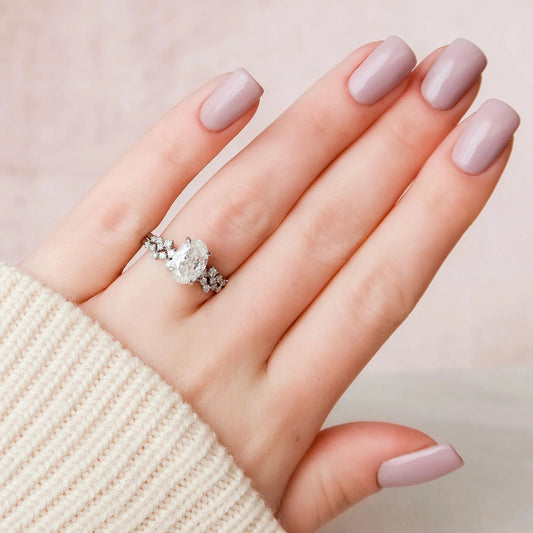
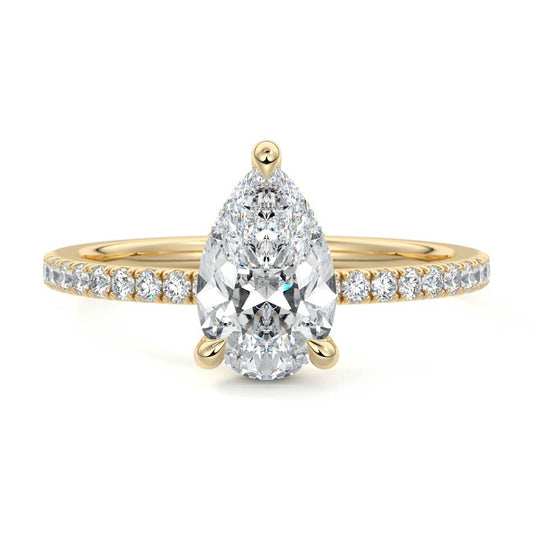
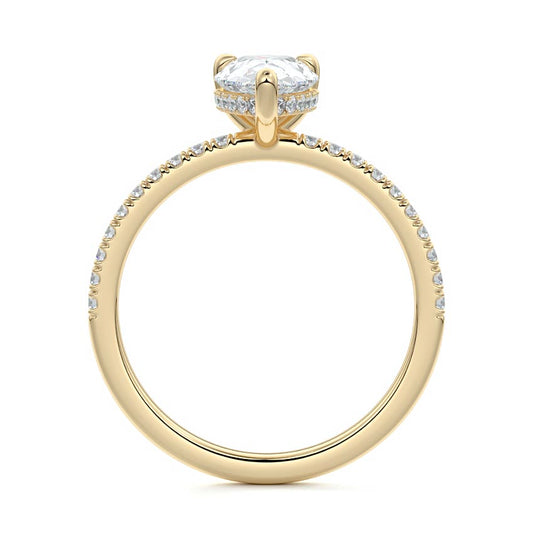
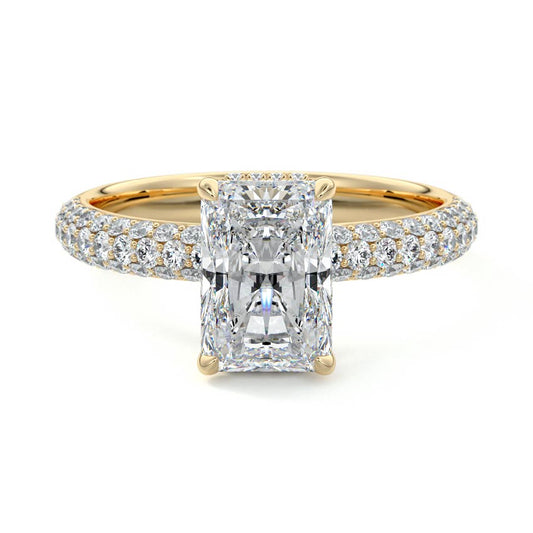
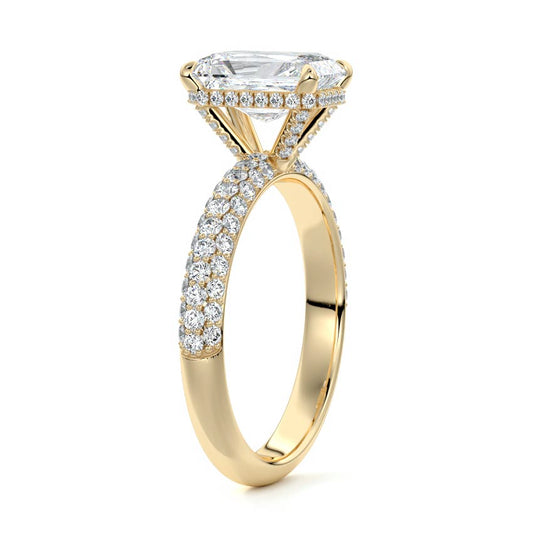
Not every buyer's biggest question is about sparkle. For women whose hands see real daily work, nursing, gardening, teaching, cooking, active parenting, the more urgent question is whether a diamond ring can actually survive that life. This guide answers that question directly, organized by the practical demands different hands-on lifestyles place on a ring.
The Core Principle: Setting Beats Carat Weight for Durability
Before getting into specific professions and activities, one rule applies across every category below. A ring's durability depends far more on its setting style than on the diamond's size or even its hardness. Diamond itself ranks a perfect 10 on the Mohs hardness scale regardless of size, so the real vulnerability in daily wear lies almost entirely in how securely and how low-profile the stone sits, not in the stone's inherent toughness.
For Healthcare Workers and Frequent Hand-Washers
Constant glove use, frequent hand sanitizing, and repeated hand washing create a specific set of demands.
What works best:
-
Bezel settings, which fully enclose the stone and eliminate the snag risk that prong settings can create against glove material
-
Low-profile designs overall, since anything raised significantly above the finger increases both snagging risk and the chance of accidental impact against hard surfaces
-
Platinum or 14k gold, both resistant to the frequent chemical exposure that comes with hospital-grade hand sanitizers and repeated washing
For Gardeners and Anyone Working With Soil
Dirt, grit, and repeated exposure to abrasive material create real wear risk, particularly around prongs where debris can accumulate.
What works best:
-
Bezel or flush settings, minimizing the small crevices where soil and grit tend to collect and cause gradual wear
-
Simpler designs overall, since intricate filigree or detailed galleries trap debris far more than clean, minimal profiles
-
Removing the ring entirely during actual gardening work remains the safest option when practical, reserving the ring for the rest of the day
For Teachers, Artists, and Anyone Handling Materials Constantly
Chalk, paint, clay, craft materials, and constant object handling all create a different kind of wear pattern, more about surface contact than chemical exposure.
What works best:
-
Six-prong or bezel settings for maximum security during repeated object handling throughout the day
-
A moderate band width, 2 to 3mm, offering durability without excessive bulk that might interfere with detailed hand work
-
Checking a browsed range of engagement rings specifically for low-profile bezel options shows how many genuinely beautiful designs prioritize this kind of daily security without sacrificing visible sparkle
For Active Parents and Caregivers
Constant lifting, carrying, and hands-on contact with children create genuine impact risk that differs from purely chemical or abrasive wear.
What works best:
-
Bezel settings remain the strongest choice here too, minimizing the risk of a prong catching on clothing, hair, or a child's own small hands
-
A slightly smaller center stone in a secure setting generally outperforms a larger stone in a more delicate mount for this specific lifestyle
-
Rings from a bridal set wedding rings collection engineered for daily wear from the outset tend to account for exactly this kind of demanding, hands-on lifestyle in their base construction
For Athletes and Fitness-Focused Wearers
Gym equipment, sports activity, and frequent hand contact with hard surfaces create some of the highest genuine impact risk of any lifestyle category.
What works best:
-
Bezel settings almost exclusively, since prong settings carry a higher risk of catching or bending under repeated impact
-
Removing the ring during actual workouts remains strongly advisable regardless of setting choice, reserving even the most durable design for the rest of the day
-
A silicone or alternative ring for gym-specific wear, keeping the fine jewelry piece reserved for lower-risk daily hours
For Kitchen and Culinary Professionals
Constant hand washing, exposure to heat, and repeated contact with food and equipment create a combination of chemical and physical wear risk.
What works best:
-
Bezel settings for the same reasons that benefit healthcare workers, minimizing snag risk against gloves and repeated washing
-
Platinum specifically performs well here, resisting the frequent hand sanitizing and hot water exposure common in professional kitchens better than some gold alloys over time
A Universal Maintenance Routine for Hands-On Lifestyles
Regardless of specific profession or activity, a few habits protect any ring subjected to genuine daily hand use. Clean the ring more frequently than a standard recommendation, weekly rather than every two weeks, given the higher exposure to grime and residue. Check prong or bezel security every three months rather than the standard six-month interval, since demanding daily use accelerates normal wear. And remove the ring entirely for any activity involving genuine risk of impact, gym workouts, heavy manual tasks, or contact sports, regardless of how secure the setting is rated to be.
A Ring Built for Your Actual Life
Choosing a diamond ring should never mean choosing between beauty and practicality, particularly for women whose hands do real daily work. Bezel settings, low profiles, and durable metals deliver genuine sparkle without demanding that you baby the ring through every task your day actually requires, letting the ring fit your life instead of the other way around.
Frequently Asked Questions
What setting style is best for women who work with their hands constantly?
Bezel settings, since they fully enclose the diamond and eliminate the snag risk that prong settings create during hands-on activity.
Should I remove my diamond ring for gym workouts?
Yes, removing it during actual workouts is strongly advisable regardless of setting security, given the high impact risk involved.
Is platinum a good choice for healthcare or culinary workers?
Yes, platinum resists the frequent hand sanitizing, hot water, and chemical exposure common in both professions particularly well.
Does a smaller diamond mean better durability?
Not directly, since diamond hardness stays constant regardless of size. Setting security matters far more than carat weight for durability.
How often should hands-on wearers check their ring's prong security?
Roughly every three months, more frequently than the standard six-month recommendation, given accelerated wear from daily hands-on use.
Can gardening or craft work damage a diamond ring's setting?
Yes, debris and grit can accumulate around prongs over time, making bezel or flush settings a safer choice for these activities.