Diamond Engagement Rings for Women: Ten Common Mistakes and Their Simple Fixes
Every experienced jeweller has watched the same mistakes repeat for years. None of them are about taste. They are about process, the order decisions get made in, and what gets skipped under pressure. Here are the ten most common missteps buyers make with diamond engagement rings for women, and the fix for each one, so you can skip the learning curve entirely.
Mistake 1: Chasing Carat Weight First
The problem: buyers fixate on hitting "1 carat" or "2 carats" as a milestone number, then compromise everything else to afford it.
The fix: prioritize cut quality above carat weight, always. A well-cut 0.90 carat diamond outsparkles a poorly cut 1.10 carat stone every time, and buying just under a round number like 1.90 instead of 2.00 carats often saves significantly with no visible size difference.
Mistake 2: Not Comparing Diamond Origins Honestly
The problem: buyers assume mined is automatically "real", and lab-grown is somehow lesser, without checking the facts.
The fix: lab-grown diamonds are chemically, physically, and optically identical to mined diamonds, graded on the same scale by IGI and GIA, typically priced 60 to 80 percent lower. Compare both honestly across a catalogue of engagement rings before deciding, since the right answer depends on values and budget, not assumptions.
Mistake 3: Guessing the Ring Size
The problem: guessing leads to a ring that either does not fit the proposal moment or requires an awkward resize conversation immediately after.
The fix: trace a ring she already wears on her ring finger, or recruit exactly one trusted friend to find out discreetly. Size slightly larger if genuinely unsure, since most bands resize up more easily than down.
Mistake 4: Ignoring the Setting Until the End
The problem: buyers spend weeks comparing stones and choose the setting in the final five minutes, then discover it does not suit the wearer's lifestyle.
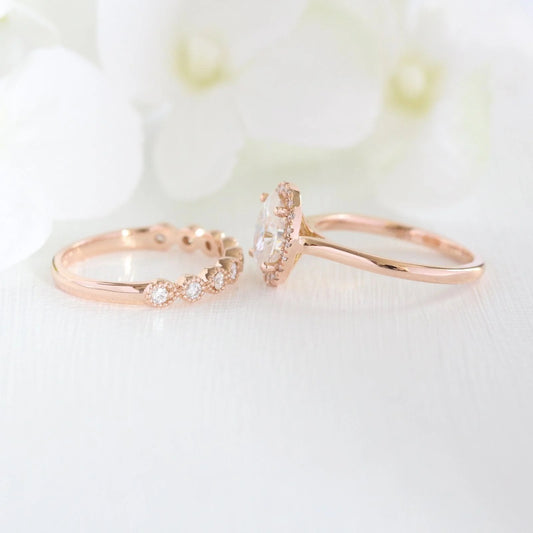
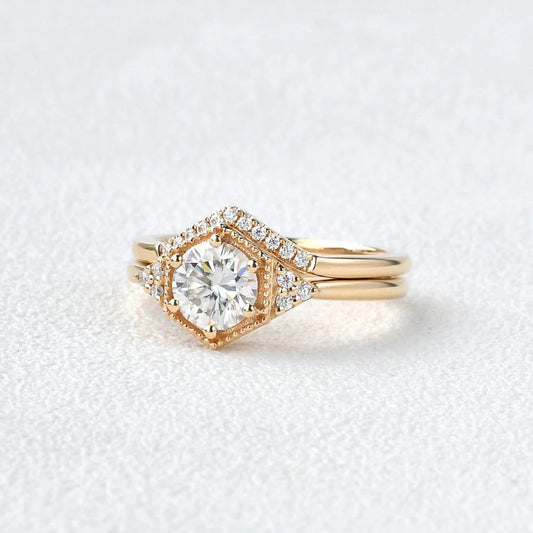
The fix: decide setting style early, alongside the stone, not after. Active hands need bezel or low-profile prong settings. Delicate, low-maintenance preferences suit a classic six-prong solitaire. The setting also determines how a future wedding band will sit, so it is worth a genuine planning session, not an afterthought.
Mistake 5: Overpaying for Invisible Clarity
The problem: paying a steep premium for flawless or internally flawless clarity in a stone under 2 carats, where the difference is invisible to the naked eye.
The fix: buy eye-clean clarity, commonly VS2 or SI1, verified by video or in person, and redirect the savings toward cut quality or size. This single fix often frees up the largest chunk of budget in the entire purchase.
Mistake 6: Skipping Independent Certification
The problem: buying a diamond of meaningful size without an independent grading report, trusting only the seller's word.
The fix: require a report from IGI or GIA for any diamond above roughly a quarter carat. The report should list the exact grades and, where present, match a microscopic inscription on the stone's girdle.
Mistake 7: Forgetting the Wedding Band Entirely
The problem: choosing an engagement ring in isolation, then discovering months later that no standard wedding band sits flush against it.
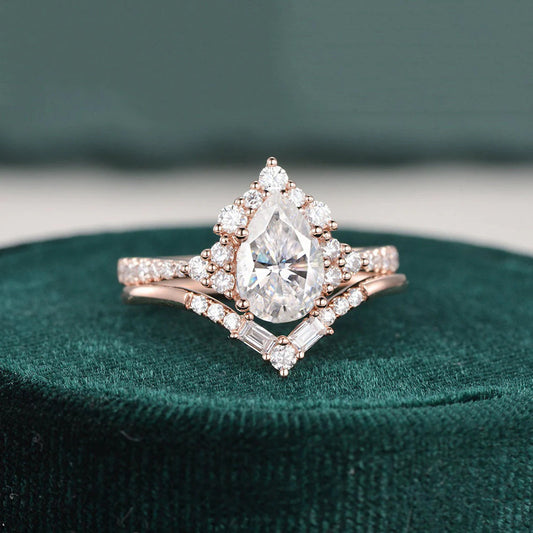
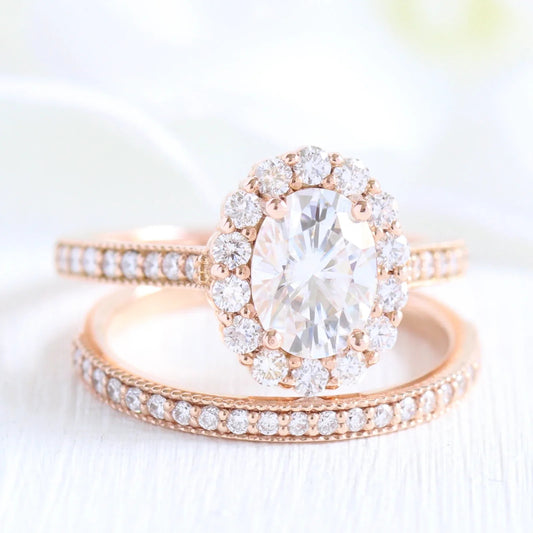
The fix: check compatible profiles before finalizing the engagement ring, or browse wedding bands at the same time so the eventual stack is planned rather than improvised.
Mistake 8: Assuming All Metal Colors Wear the Same
The problem: choosing white gold without knowing it requires periodic rhodium replating to stay bright, then feeling surprised a year later.
The fix: ask directly about maintenance for the specific metal and color chosen. Yellow and rose gold need no replating at all; white gold needs it every one to three years, a small but real recurring cost.
Mistake 9: Buying Without a Return or Resize Policy in Hand
The problem: assuming standard consumer protections apply automatically to fine jewelry, then discovering otherwise after the purchase.
The fix: get the return window, resize policy, and insurance documentation process in writing before paying, not after. Reputable retailers, Atya Jewels included, provide this upfront without being asked twice.
Mistake 10: Treating the Ring as the Only Purchase That Matters
The problem: pouring the entire budget and attention into one ring, then scrambling later for bands, earrings, or a coordinated look.
The fix: think one step ahead. Coordinated bridal set wedding rings solve engagement ring and wedding band matching at the source, and a simple pair of diamond earrings chosen at the same time completes a proposal look without a second scramble months later.
The One-Page Version
If you remember nothing else from this list, remember the order of priorities: cut before carat, eye-clean before flawless, honest origin comparison before assumption, and setting planned alongside stone rather than after it. Every other mistake on this list tends to shrink once those four habits are in place.
Ten mistakes, ten fixes, and a purchase that goes from stressful guesswork to a process you can actually feel confident about.
Diamond Engagement Rings for Women FAQs
What is the single most common mistake buyers make?
Prioritizing carat weight over cut quality, which produces a larger but duller-looking diamond.
Should I always buy the maximum clarity available?
No. Eye-clean clarity, often SI1 or VS2, looks identical to higher grades in most stones under 2 carats.
Is lab-grown really identical to mined diamond?
Yes, chemically and optically. The main differences are origin and, usually, a significantly lower price.
Why does certification matter for smaller stones too?
It confirms the stated grades independently and protects you if a dispute or insurance claim ever arises.
Do all metal colors need the same maintenance?
No. White gold needs periodic rhodium replating; yellow and rose gold do not.
Should I buy the wedding band with the engagement ring?
It is not required, but planning both together guarantees a flush, matched fit later.