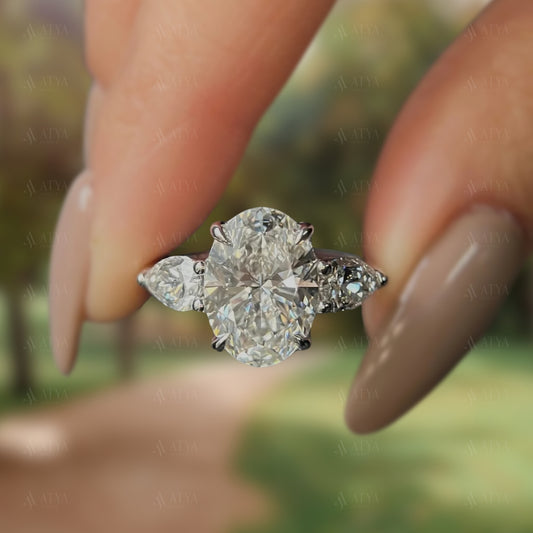
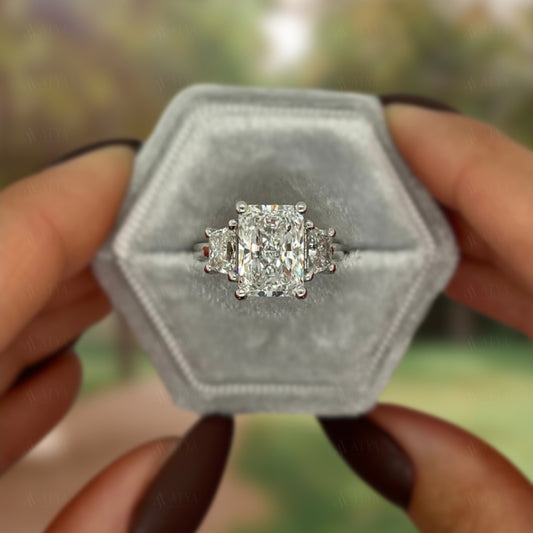
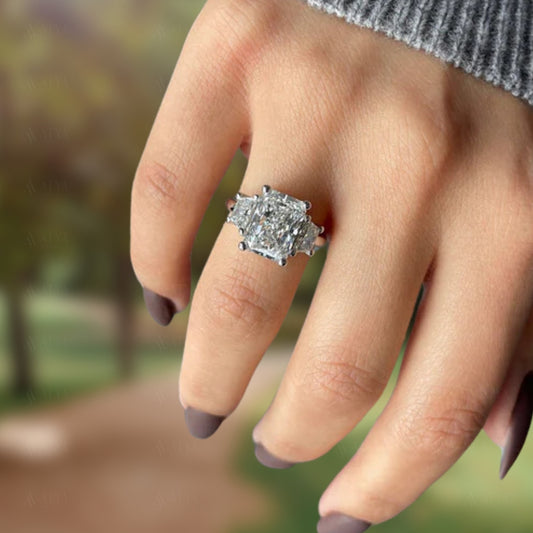
How to Design an Engagement Ring, Step by Step, From Blank Page to Finished Band
Somewhere between "I want something unique" and a finished ring sits a process most buyers never see explained plainly. This is that explanation, laid out as the six stages an engagement ring actually passes through when you design it yourself instead of choosing something ready-made.
Stage One: Define the Brief
Every custom ring starts with a brief, whether written down or simply described in a conversation. A useful brief answers four questions: What is the budget ceiling? What stone shape and origin, mined, lab-grown, or moissanite, does she prefer, or would you prefer for her? What existing jewellery, if any, needs to be matched in metal or style? And what feeling should the ring capture: minimal, romantic, bold, vintage?
If you are unsure where to start, browsing a curated range of engagement rings first, even if nothing there is exactly right, is genuinely useful. It gives you a vocabulary of shapes and settings to react to, which sharpens the brief considerably.
Stage Two: Choose the Center Stone
This decision anchors everything that follows, since the setting is built around the stone's exact measurements, not the other way around.
Key choices at this stage:
-
Origin: mined diamond, lab-grown diamond, or moissanite, each with real trade-offs in price and market perception
-
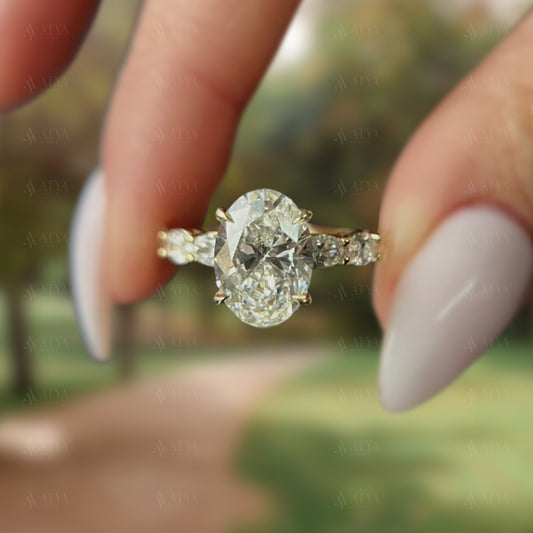
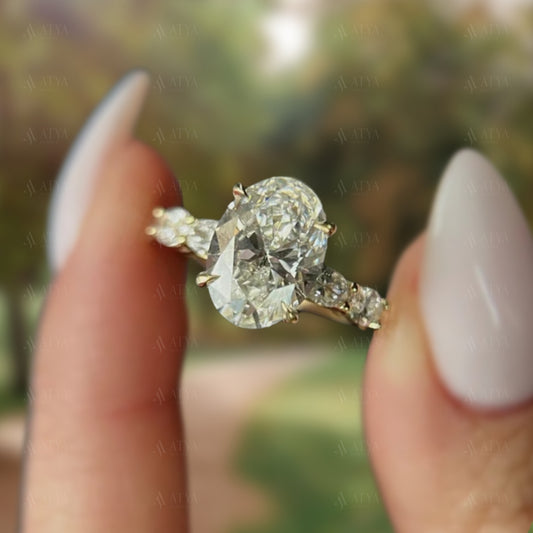
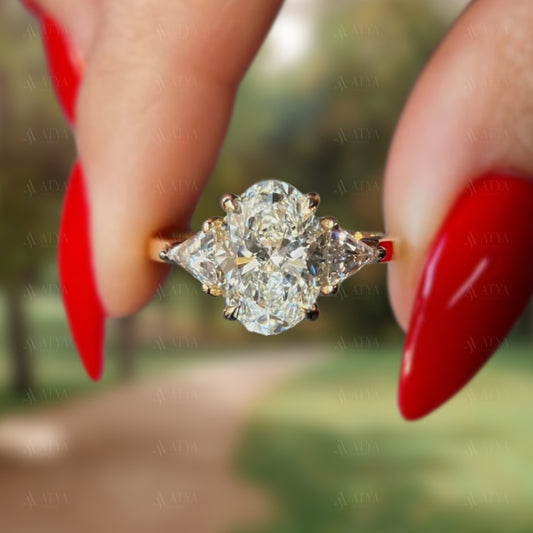
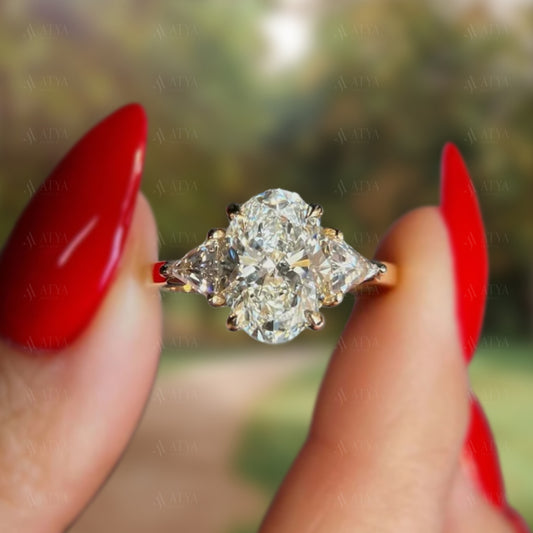
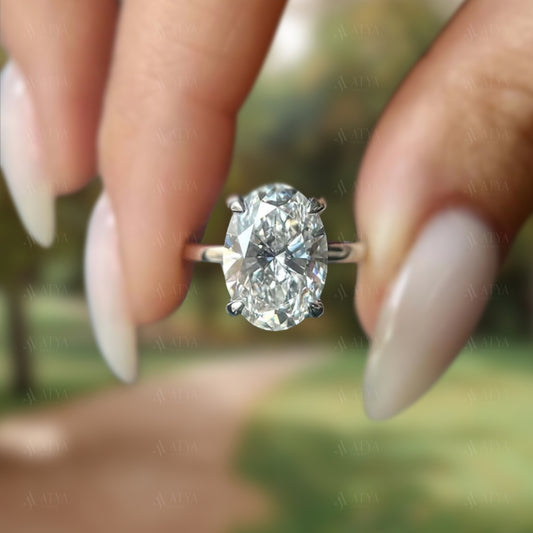
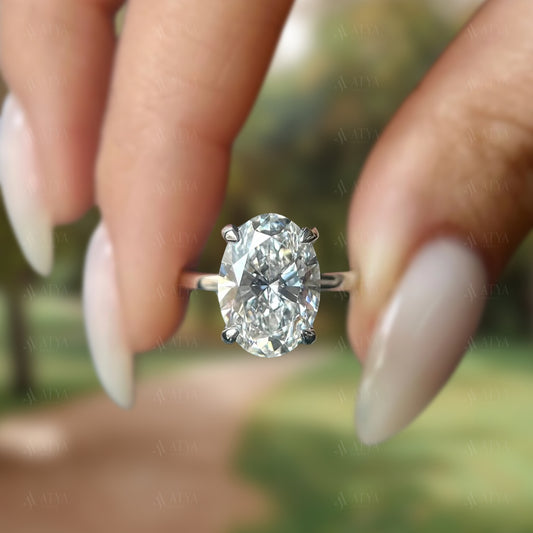
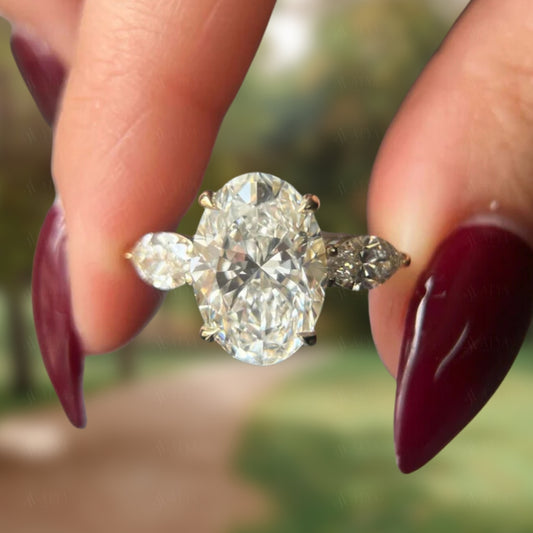
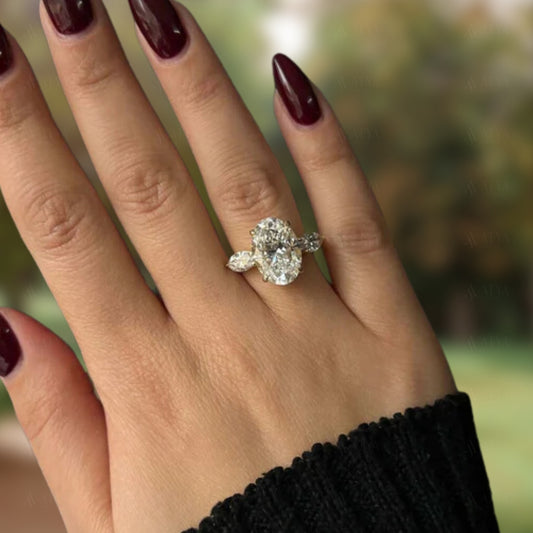
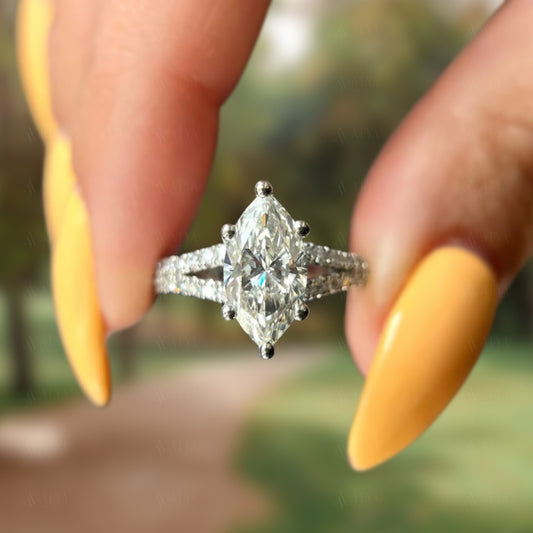
Shape: round for maximum sparkle, oval for a larger face-up look, emerald or asscher for elegant step-cut flashes
-
Grades: prioritize cut quality above all else, since a poorly cut stone cannot be rescued by clever design later
-
Certification: an independent report from IGI or GIA should accompany any diamond of meaningful size before design work begins
A good designer will ask for the stone's exact millimetre dimensions before sketching anything, because a setting built to the wrong measurements simply will not fit.
Stage Three: Sketch the Concept
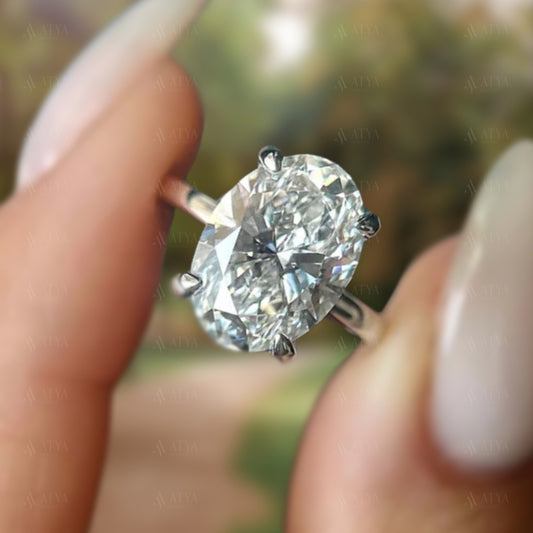
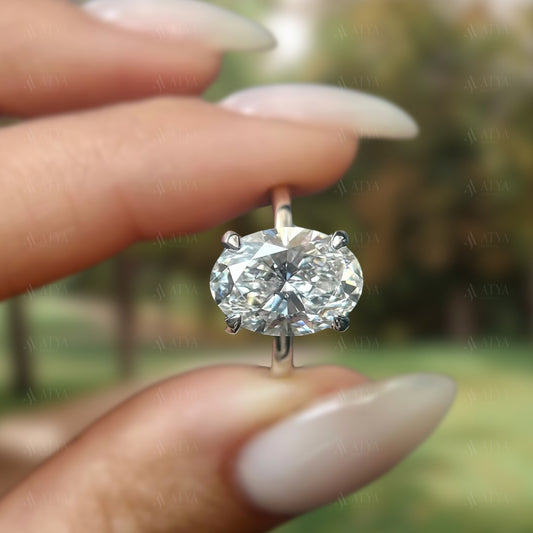
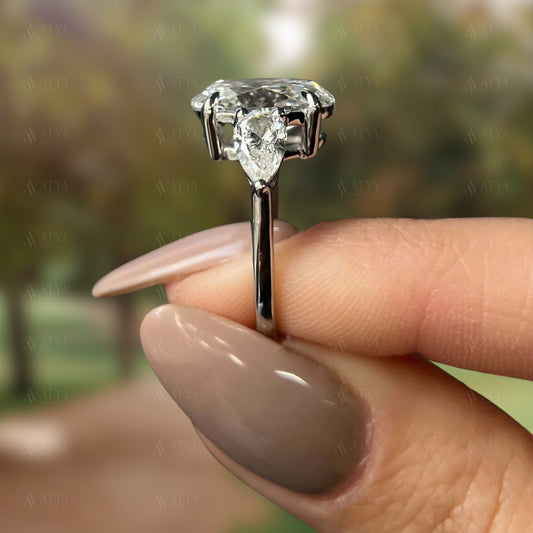
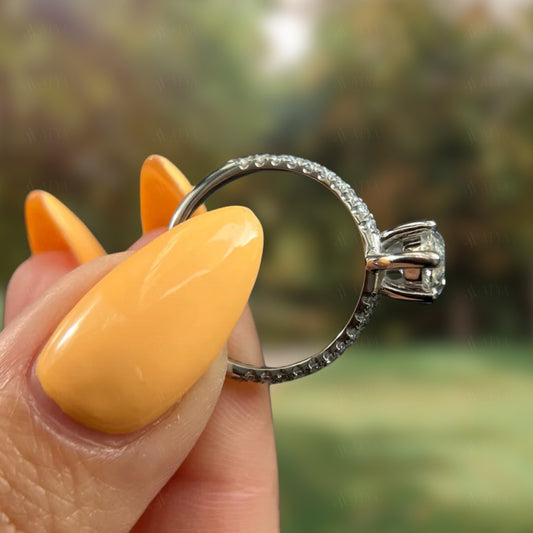
With the stone chosen, the setting takes shape, first on paper or in a quick digital sketch. This stage is where you decide prong count and style, whether the band is plain or detailed, and what the profile looks like from the side, arched, straight, or cathedral.
This is also the moment to reference specific eras or existing pieces. Saying "Art Deco geometry" or "my grandmother's ring but sturdier" gives a designer something concrete to sketch toward, far more useful than "something unique," a phrase every jeweller hears daily and struggles to act on.
Stage Four: Build the 3D CAD Model
The sketch becomes a precise digital model, built to exact millimeter tolerances around the stone's real dimensions. This is where abstract ideas get tested against physics: prong angles that looked fine on paper sometimes need adjusting so they actually hold a stone securely, and band thickness gets tuned for comfort as well as looks.
Most workshops, Atya Jewels included, share this CAD render with the buyer before casting anything, along with the option to request changes, band width, prong shape, subtle engraving, at this stage, while changes remain inexpensive and fast.
Stage Five: Cast and Set
Approved designs move to casting. Molten metal, gold or platinum at the chosen karat, fills a mold made from the CAD file, producing the rough ring shape. From there, a setter mounts the center stone by hand, along with any accent stones specified in the design, checking security under magnification before final polishing.
This stage typically takes two to four weeks depending on complexity, metal, and whether any stones need sourcing. Rings with unusual stone shapes or intricate filigree, echoing vintage engagement ring styles, generally sit at the longer end of that range.
Stage Six: Finish, Fit, and Plan Ahead
The finished ring is polished, hallmarked with its metal purity, and sized to the wearer's exact measurement. This is also the ideal moment to plan forward rather than treat the ring as a finished project entirely on its own.
Two things worth deciding now rather than later:
-
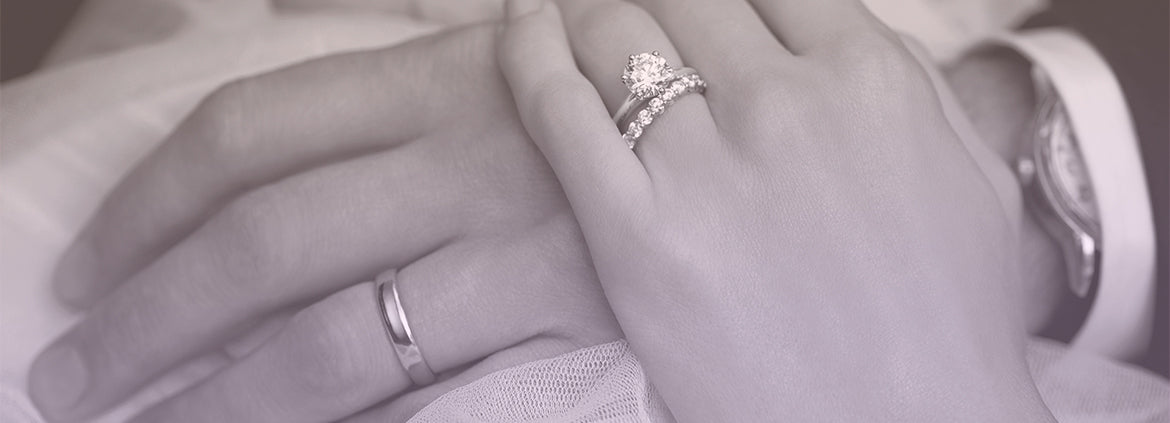
The wedding band: a custom center stone often benefits from a band designed to match its exact profile, so reviewing wedding bands or requesting a matched pair as part of the original brief avoids fit problems after the wedding
-
The full bridal look: some buyers extend the custom process into a coordinated bridal set wedding rings commission from the outset, so both rings are designed and cast together
A completed custom ring is also a good moment to think about complementary pieces for the proposal itself. A simple pair of diamond earrings, chosen in the same metal, rounds out the moment without competing with the ring's design.
What Makes a Custom Design Process Actually Succeed?
Three habits separate buyers who love their finished ring from those who feel disappointed. Bring reference images, even imperfect ones, rather than only adjectives. Approve the CAD stage carefully, since this is the cheapest point to request changes and the last point before metal is committed. And build in two to three extra weeks beyond the quoted timeline for anything with unusual stones or intricate detail, since custom work rarely benefits from a rushed final stage.
Six stages, one stone, one ring built specifically for one hand. That is the entire promise of designing rather than simply choosing.
Design Engagement Ring FAQs
How long does it take to design a custom engagement ring?
Typically four to eight weeks total, from brief to finished ring, depending on complexity.
Do I need to know exactly what I want to start?
No. A rough brief and reference images are enough for a designer to begin sketching options.
Can I use my own diamond in a custom design?
Yes, most workshops can design a setting around a stone you already own or have separately purchased.
Is custom design more expensive than buying ready-made?
It varies. Design labour adds cost, but you avoid paying for features you do not want.
What is a CAD preview?
A precise 3D digital model of your ring, shown before casting so changes can be made cheaply.
Can I design the wedding band to match at the same time?
Yes, and doing so guarantees the two rings fit together perfectly later.

 (245)
(245)