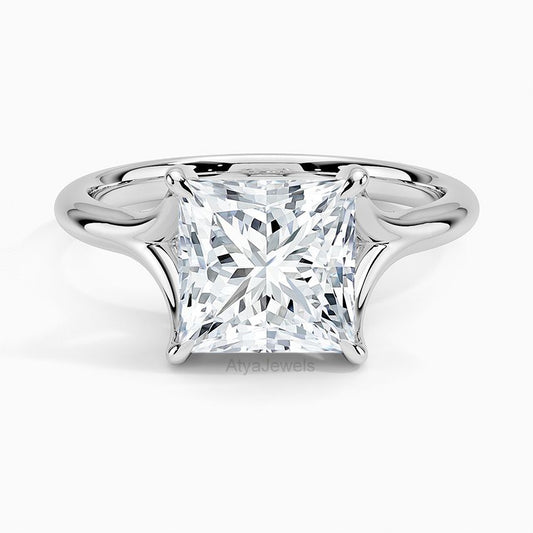
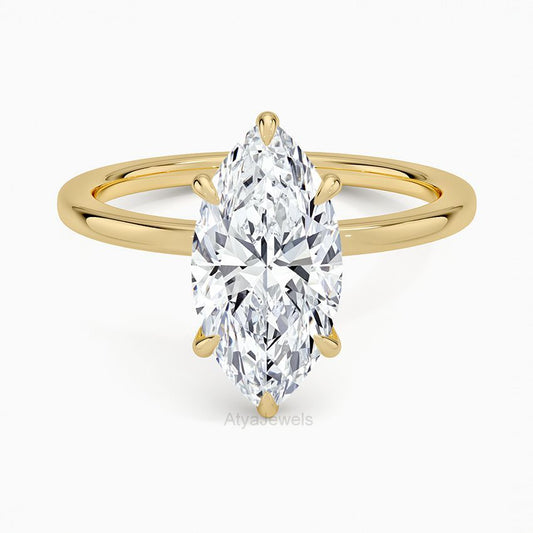
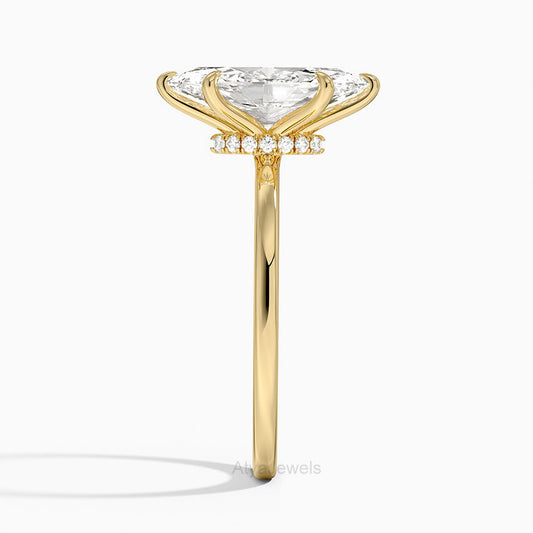
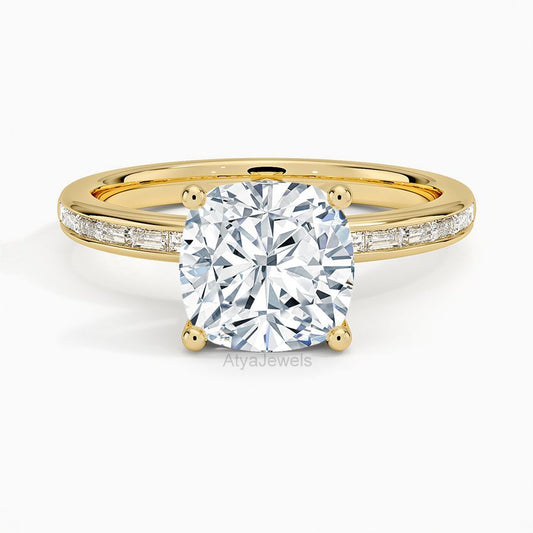
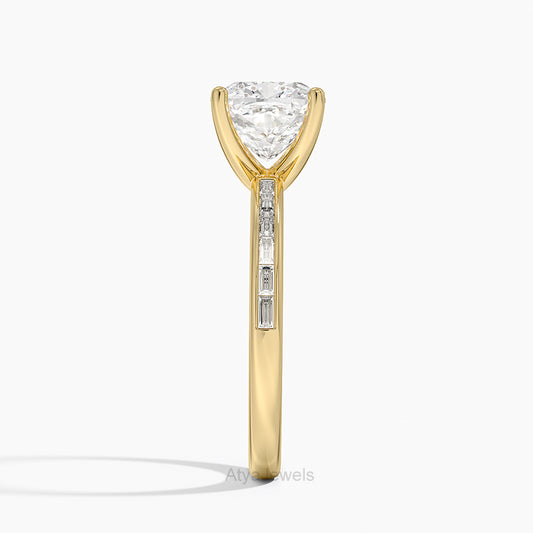
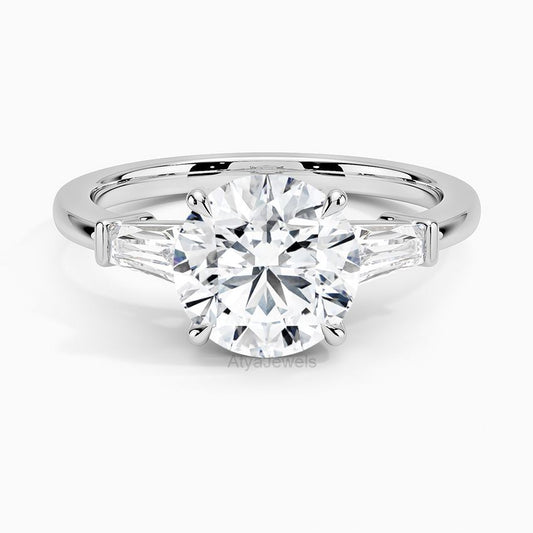
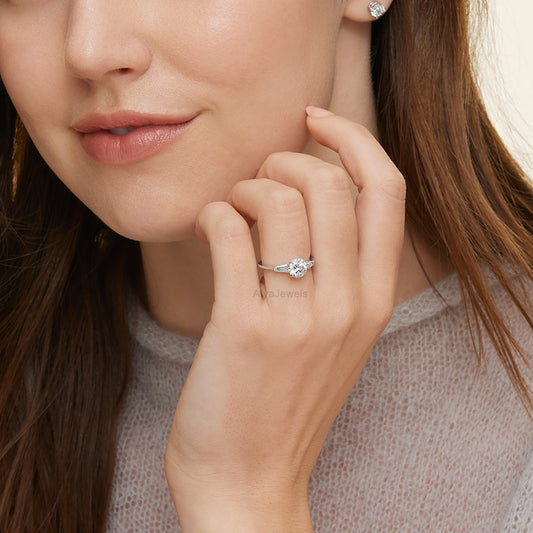
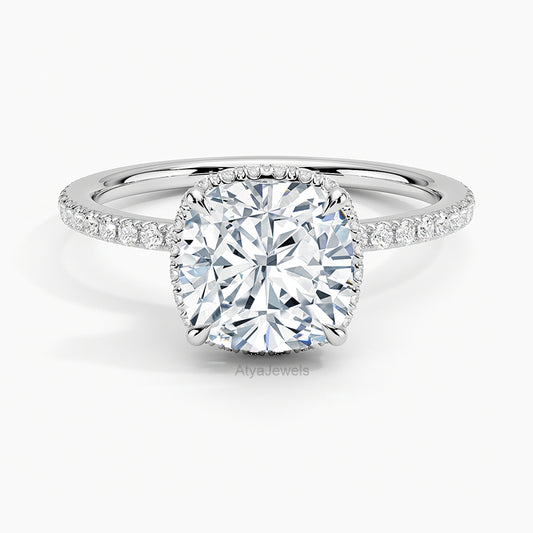
Custom Engagement Ring: Build Your Bespoke Ring with Intention, Not Trends
Custom engagement rings have shifted from a luxury exception to a market standard in 2026. Rather than choosing from pre-made catalogues, couples now demand full creative control—selecting stone type, band width, metal composition, and meaningful details that reflect their actual lifestyle. This guide walks you through the decision framework that separates thoughtful customization from impulse design.
Why Custom Engagement Rings Dominate 2026: The Shift Away from Mass Production
In 2026, bespoke engagement rings and made-to-order engagement rings dominate the market, with modern couples moving away from mass-produced designs and choosing rings that reflect their personal journey, values, and lifestyle. This isn't aesthetic preference—it's a fundamental change in how couples evaluate engagement rings.
Couples are choosing rings that are bolder in meaning, more intentional in design, and more thoughtful in how they're made, with customization and personalization becoming the norm rather than the exception. The old model—a round solitaire pulled from inventory—no longer satisfies buyers who want their ring to tell a specific story.
What drives this shift:
- The engagement ring market in 2026 is moving toward bold elegance, meaningful customization, and modern luxury, with couples no longer wanting traditional rings alone but instead choosing designs that reflect personality, lifestyle, and long-term value.
- Customization has become a critical factor in ring selection, with couples increasingly seeking designs that reflect their personal narrative and create truly unique pieces that represent their individual love stories.
- Full creative control has become essential, from selecting the perfect band width and stone orientation to choosing the setting style and metal, incorporating meaningful details such as unique stone shapes, hidden accents, or design elements that represent milestones, emotions, or shared experiences.
At Atya jewels, this philosophy drives every custom design. Rather than forcing couples into predetermined moulds, the studio prioritizes understanding your lifestyle, aesthetic, and the emotional weight you want your ring to carry.
The Material Decision: Lab-Grown Diamonds vs. Moissanite vs. Natural Diamonds
Material selection is the first real decision point in custom ring design. Each option carries different implications for cost, durability, visual performance, and ethical alignment.
Lab-Grown Diamonds: The Pragmatism Play
Economic pragmatism is the No. 1 reason couples are choosing lab-grown diamonds, as they are more affordable and couples can get more—a bigger, better color, higher clarity diamond—for their money. In custom design, this advantage multiplies. You're not locked into a pre-selected stone; you can specify exact color, clarity, and carat weight without the natural diamond price ceiling.
Moissanite: The Brilliance Alternative
Lab grown diamonds and moissanite lead due to their size flexibility, ethical appeal, and brilliance. Moissanite offers a distinct visual signature—slightly more fire than diamond—that some couples prefer. Champagne moissanite has the same brilliance and fire as a diamond, but with a soft, warm beige-gold tone that complements a range of metals, especially yellow and rose gold.
Natural Diamonds: The Heritage Choice
Natural diamonds remain the traditional choice, though younger consumers have a completely different shopping mentality and outlook to natural diamonds than baby boomers or Gen Xers. In custom design, natural diamonds work best when you have a specific vision that justifies the premium—a rare fancy color, an heirloom recut, or a stone with personal provenance.
|
Material
|
Cost Per Carat
|
Durability
|
Visual Signature
|
Best For
|
|
Lab-Grown Diamond
|
$725–$1,000
|
10/10 (Mohs)
|
Icy white, traditional sparkle
|
Budget-conscious couples wanting maximum size
|
|
Moissanite
|
$400–$700
|
9.25/10 (Mohs)
|
Warm fire, slight rainbow effect
|
Couples who prefer warmth and ethical sourcing
|
|
Natural Diamond
|
$2,500–$8,000+
|
10/10 (Mohs)
|
Classic brilliance, market-proven
|
Heritage-focused buyers, fancy colors
|
Atyajewels specializes in lab-grown and moissanite customization, allowing you to maximize visual impact without the natural diamond markup. This flexibility is critical in bespoke design—you can invest savings into band craftsmanship, setting complexity, or stone size.
Stone Shape and Proportion: The Optical Decision Framework
Stone shape is where personal preference meets optical reality. Oval diamonds (chosen by 25 percent of couples) are almost equal in popularity to round diamonds (chosen by 26 percent of couples) now. But popularity doesn't determine fit.
Elongated Shapes: The Modern Default
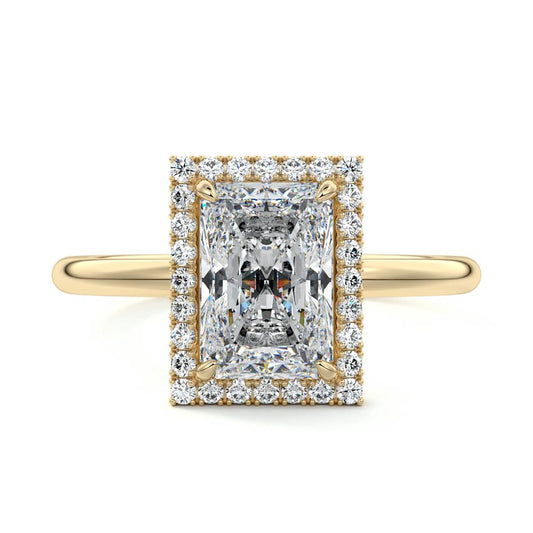
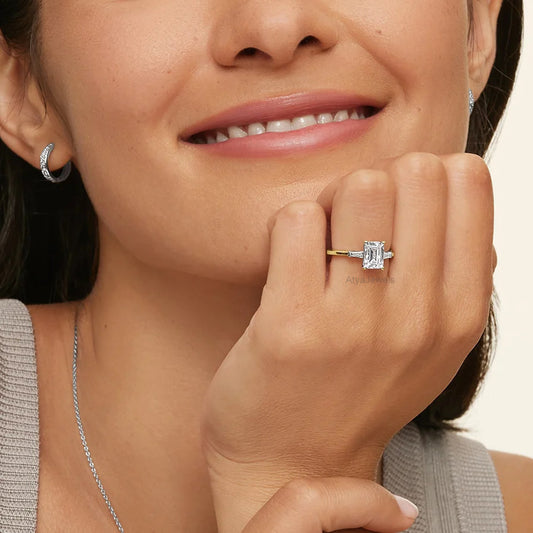
Elongated stone shapes are everywhere for a reason: they visually lengthen the finger, offer a modern, editorial feel, and can make the stone appear larger for its carat weight. Ovals, emeralds, pears, and radiants all deliver this effect. In custom design, you control the length-to-width ratio—a 1.5:1 oval feels different from a 2:1 oval.
Vintage and Antique Cuts: The Craftsmanship Play
Vintage-inspired engagement rings are returning because couples appreciate timeless craftsmanship and romantic detailing, with designs influenced by Art Deco, Victorian, and Edwardian styles becoming highly desirable, featuring milgrain edges, filigree patterns, and antique-style settings.
Colored Gemstones: The Personal Significance Route
Colored gemstones like sapphires, emeralds, morganite, and even unique stones like moss agate and alexandrite are gaining real traction, with couples picking gems that reflect their personal taste. Custom design makes this practical—you're not limited to what's in stock.
When selecting your stone shape, ask yourself:
- Does this shape flatter my hand proportions?
- Will I wear this ring daily, or is it occasional?
- Does the shape align with my metal choice (e.g., emerald cuts pair beautifully with white metals)?
- Am I choosing based on trend or personal resonance?
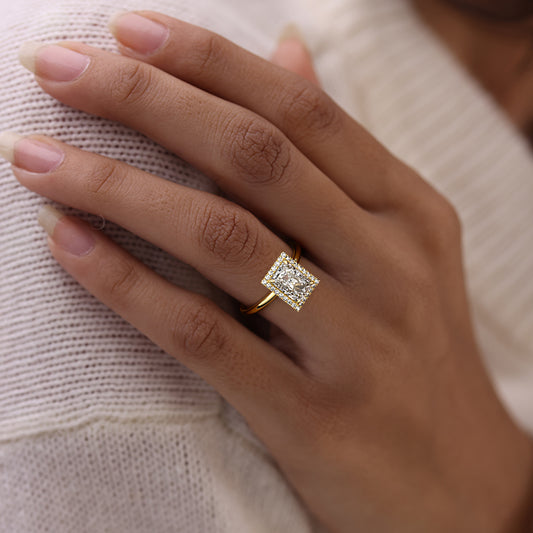
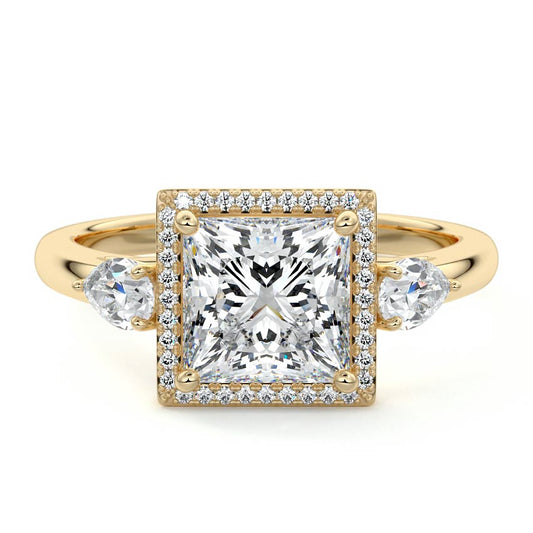
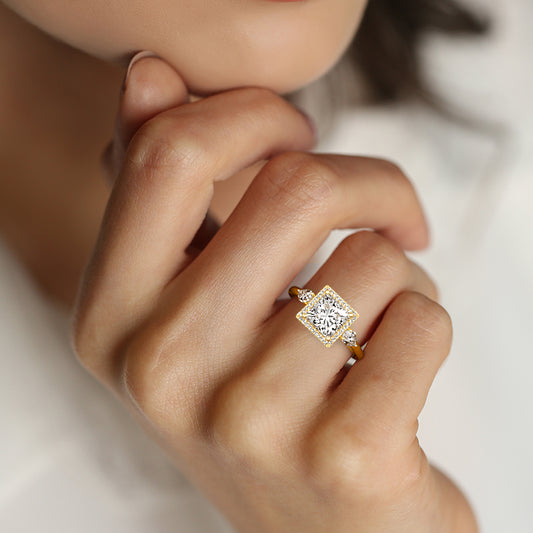
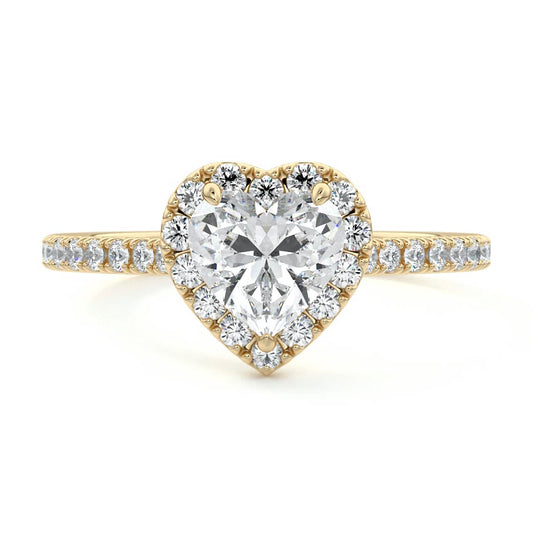
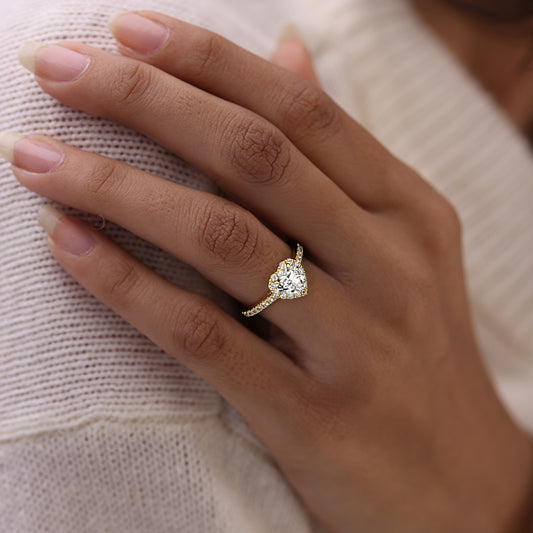
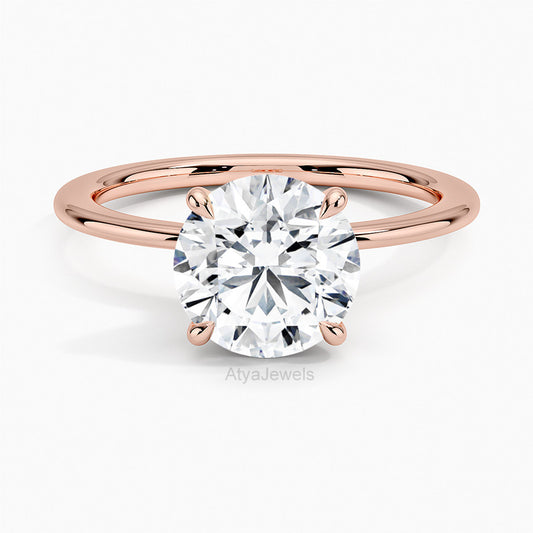
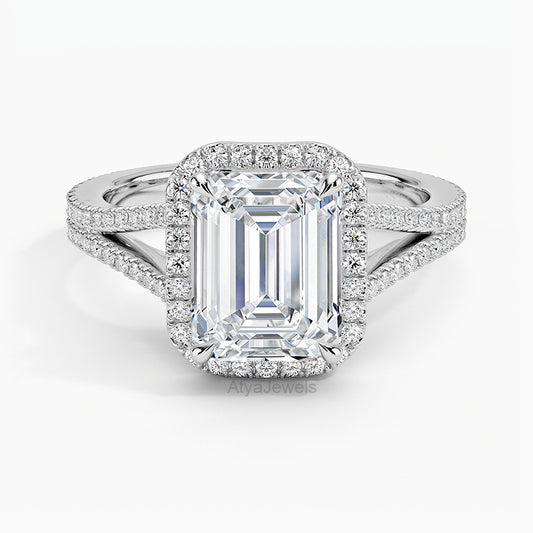
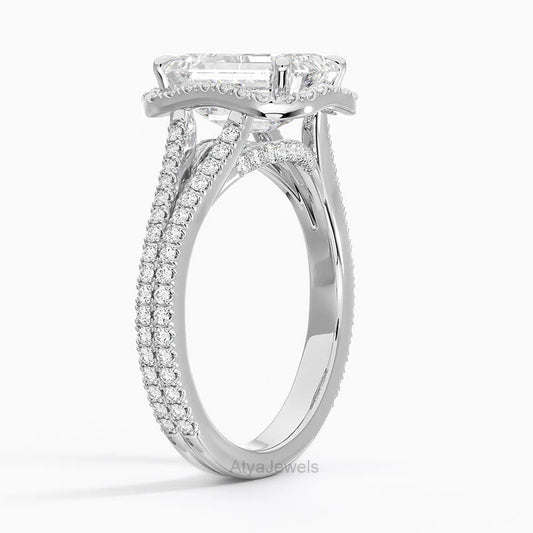
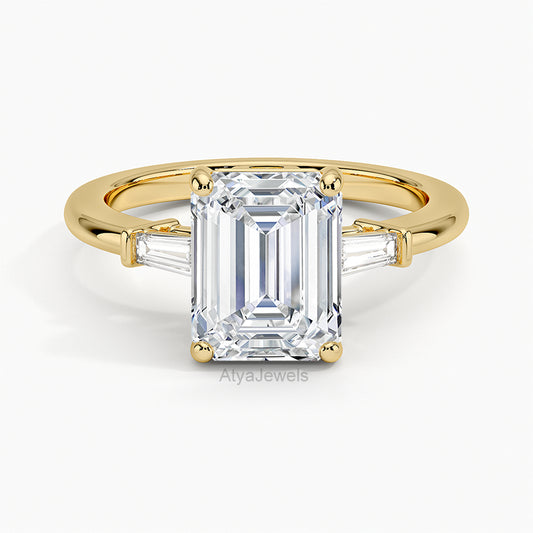
Atya Jewels' engagement rings showcase how shape selection transforms the entire visual narrative of a custom piece.
Band Design and Metal Selection: The Durability and Aesthetic Framework
The band is where custom design separates from off-the-shelf. Bold designs, especially chunky bands, bezel settings, and oversized centre stones, are defining 2026. This shift reflects practical wisdom: thicker bands resist damage, feel more substantial, and create visual balance with larger stones.
Metal Choices and Longevity
When it comes to precious metals, yellow gold continues to gain ground, though overall, more people still go with a white metal for their engagement ring, with 48 percent choosing white metal (35 percent white gold, 13 percent platinum) and 39 percent choosing yellow gold, with the percentage of couples choosing yellow gold more than doubling over the past five years.
Mixing metals, like combining yellow gold with white gold or rose gold accents with platinum, is trending because it adds depth to a design. In custom design, mixed metals allow you to balance warmth and cool tones—a rose gold band with white gold prongs, for example.
Band Width and Comfort
A newer engagement ring trend expected to continue in 2026 is thicker bands, as well as more bezel- and burnish-set centre stones, with designers noting it feels modern compared to the classic silhouette of a solitaire, feels less vulnerable, and is safe, beautiful, and contemporary, not as traditional.
Bandwidth affects both comfort and visual weight. A 2mm band feels delicate; a 3.5mm band feels substantial. Custom design lets you test proportions before committing.
Setting Security for Daily Wear
Bezel settings are among the most secure and practical choices for daily use. If you work with your hands, bezel or burnish settings protect the stone better than prong settings. This is a practical customization decision, not aesthetic.
Atya Jewels' wedding bands collection demonstrates how band design complements stone choice. A chunky band with a lab-grown oval diamond creates visual harmony; a delicate band with the same stone feels unbalanced.
Cost Factors and ROI: What Actually Drives Custom Ring Pricing
Custom engagement ring pricing isn't arbitrary. Understanding cost drivers helps you allocate budget strategically.
Stone Cost: The Largest Variable
Stone cost dominates the budget. A 1.5-carat lab-grown diamond costs $1,087–$1,500 depending on color and clarity. A 1.5-carat moissanite costs $600–$1,050. A 1.5-carat natural diamond costs $3,750–$12,000+. In custom design, you control this variable completely.
Setting and Craftsmanship: The Hidden Value
Band material and complexity drive the second cost tier:
|
Setting Type
|
Material Cost
|
Craftsmanship
|
Total Range
|
|
Simple solitaire
|
14K gold
|
Standard
|
$800–$1,500
|
|
Halo with accents
|
14K gold
|
Intermediate
|
$1,500–$3,000
|
|
Bezel with mixed metals
|
18K gold + platinum
|
Advanced
|
$2,500–$5,000+
|
|
Vintage-inspired with filigree
|
18K gold
|
Expert
|
$3,000–$7,000+
|
Custom design allows you to invest in craftsmanship where it matters. A simple band with an exceptional stone delivers better ROI than an ornate band with a mediocre stone.
Design Complexity and Timeline
Rush orders (2–3 weeks) cost 15–25% more. Complex designs with multiple accent stones or intricate metalwork cost more than simple solitaires. In custom design, you control both variables.
The ROI Perspective
Custom rings hold value better than mass-produced rings because they're one-of-a-kind. If you ever need to resize, repair, or modify the ring, a custom piece is easier to work with than a proprietary design. Additionally, a custom engagement ring is worth it for couples who want something truly unique, as custom designs allow complete control over the diamond shape, setting, and metal, resulting in a meaningful ring that reflects individual style and personal significance.
Atyajewels' pricing model emphasizes transparency—you see exactly what you're paying for at each stage, with no hidden markups. This clarity is rare in custom jewellery and builds trust.
Frequently Asked Questions
Q1. How long does a custom engagement ring take to create?
Standard custom rings take 4–8 weeks from approval to completion; rush orders (2–3 weeks) incur additional fees.
Q2. Can I customize a ring if I already own a diamond or gemstone?
Yes, most custom jewellers will set your existing stone in a custom band, though they may charge a fee for stone evaluation and insurance.
Q3. Is a lab-grown diamond or a moissanite better for a custom engagement ring?
Lab-grown diamonds offer traditional aesthetics at 80% savings; moissanite offers greater brilliance and warmth at lower cost—choose based on your visual preference and budget.
Q4. What's the price difference between custom and ready-made engagement rings?
Custom rings typically cost 10–30% more due to design time and craftsmanship, but offer complete control and one-of-a-kind status that ready-made rings cannot match.
Q5. Can I change my custom ring design after I've approved the CAD rendering?
Minor changes (band width, engraving) are usually possible before casting; major changes (stone size, setting style) may require starting over and incurring additional fees.
Q6. What metal is most durable for a custom engagement ring?
Platinum is most durable (95% pure) but expensive; 18K gold offers excellent durability at lower cost; 14K gold is more affordable but slightly less durable.